


Global warming, a phenomenon characterized by rising global temperatures due to anthropogenic activities, presents multifarious challenges to human health and environmental stability. One of the more alarming connections that emerge from the corpus of scientific research is the correlation between increasing temperatures and an elevated risk of developing skin cancer. This relationship, while perhaps not overtly intuitive, warrants a deeper examination of both the immediate effects of climate change and the broader implications for public health and the environment.
At the forefront of this discourse is ultraviolet (UV) radiation, which is fundamentally the most significant environmental risk factor for skin cancer. The link between UV exposure and skin malignancies, particularly melanoma and non-melanoma skin cancers, is well-established. The depletion of the ozone layer—a consequence of the greenhouse gases precipitated by human activity—exacerbates the penetration of UV rays to the Earth’s surface. Consequently, as temperatures rise and the atmosphere adjusts, the potential for increased UV exposure becomes a critical concern.
A pivotal aspect of understanding this phenomenon is the geographic stratification of UV radiation. Regions closer to the equator typically experience higher levels of UV radiation due to the sun’s angle and the thinner atmospheric layer through which the rays penetrate. Nevertheless, even in temperate zones, fluctuations in weather patterns induced by climate change can lead to anomalous spikes in UV radiation. Multifaceted phenomena such as the shifting of weather systems, alterations in cloud coverage, and changes in atmospheric composition all contribute to this intensification of UV exposure.
Furthermore, the increase in outdoor activities during warmer months—often accompanied by a reduced awareness of sun safety—compounds this risk. As communities globally grapple with the impact of climate change, there emerges a tendency towards more outdoor recreational activities. This trend can inadvertently promote prolonged sun exposure among populations that might otherwise maintain a more protected lifestyle. Children and adolescents, in particular, are exposed to heightened risks due to their skin’s inherent vulnerability and the propensity to underestimate the sun’s potentially harmful effects.
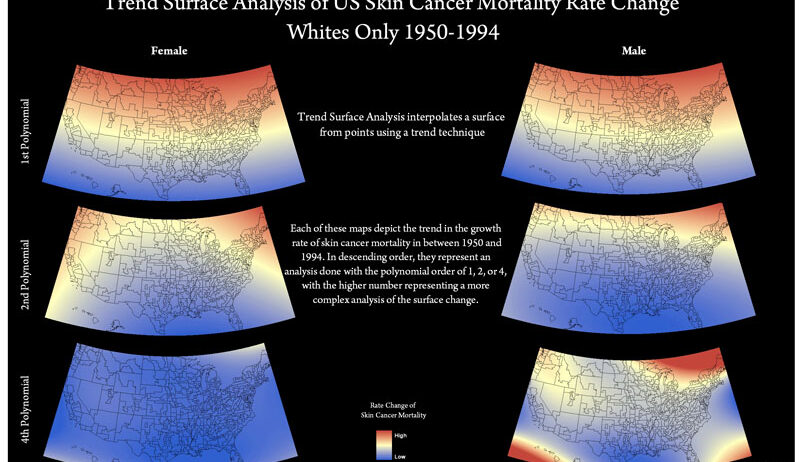
The rising incidence of skin cancer worldwide, particularly among younger demographics, places an urgent focus on the need for proactive public health measures. Patterns indicate that skin cancer rates have escalated over the past few decades, coinciding with increased UV exposure and altered lifestyle patterns associated with global warming. This duality of climate change and public health concerns engenders a compelling narrative necessitating strong advocacy for education and prevention strategies.
Compounding the threat of skin cancer is the paradox of urbanization often linked to climate change. As cities expand and become denser, ‘urban heat islands’ emerge, where localized temperature increases amplify the intensity of solar radiation exposure. The interplay between urban development and climate dynamics suggests a need for integrative urban planning that incorporates green spaces and reflective materials to mitigate excess warming. Ingenious approaches to city design could, therefore, help shield urban populations from the concomitant rise in UV exposure, providing an intriguing avenue for action against skin cancer risks.
Furthermore, there exists an ecosystemic impact on flora and fauna due to rising temperatures and altered UV radiation levels. The response of various species to climate change is multifaceted; certain plants may flourish under increased sunlight, while others could suffer, altering local biodiversity. In turn, biodiversified environments are integral to maintaining the balance of health in human populations. This symbiosis elucidates an indirect but vital link between ecosystem health and human cancer risk, emphasizing the extensive repercussions of climate change beyond immediate direct impacts.
Addressing such a profound public health concern necessitates the collaboration of multiple stakeholders, from governmental bodies to grassroots organizations. Enhancing public awareness of skin cancer risks will prove crucial in fostering preventive measures. Campaigns focusing on sun safety education, the importance of sunscreen, protective clothing, and regular skin examinations must be fervently advocated. Additionally, comprehensive policies aimed at environmental protection and climate adaptation strategies will underpin the long-term mitigation of these health risks.
Moreover, the intersection of skin cancer risk and climate change demands an interdisciplinary approach. Research initiatives should be encouraged to unravel the nuanced correlations between climatic shifts and skin health. Continued exploration into the impact of global warming on UV radiation patterns and subsequent health outcomes will empower policymakers with the knowledge necessary to implement effective legislative measures.
In conclusion, the intricate webs interlinking global warming and skin cancer reveal an urgent public health crisis exacerbated by environmental change. As temperatures rise, so does our exposure to harmful UV radiation, which in tandem with lifestyle choices, urban environments, and ecological shifts culminates in an increased risk of skin malignancies. Recognizing and addressing these correlations is not merely a question of scientific inquiry; it is a clarion call for collective action. Enhanced community engagement, responsible urban planning, astute public policy, and persistent scientific research will be integral to dismantling this nexus of health and environmental degradation. The global community must respond not only with awareness but with resolute action to safeguard health against the backdrop of a warming planet.