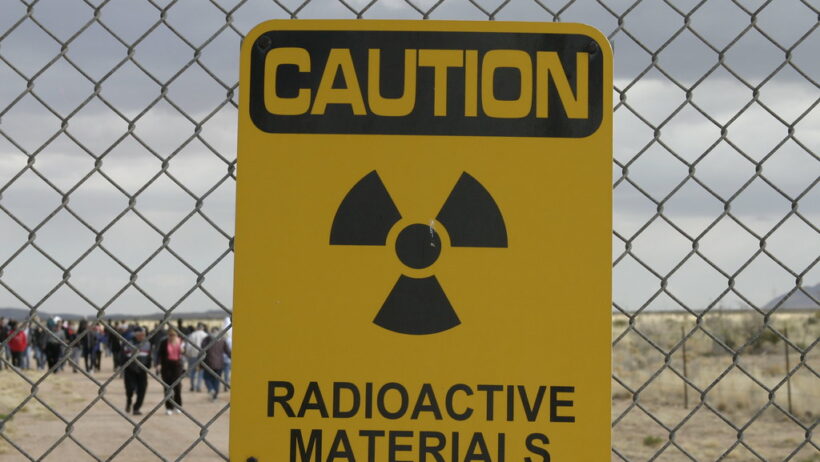

When we consider the multitude of methods available for managing nuclear waste, one technique piques curiosity while prompting real concern: incineration. Does incinerating nuclear waste raise global warming risks? As the world grapples with the dire consequences of rising temperatures, the implications of such a question merit thorough examination.
Nuclear waste, a byproduct of nuclear power generation and various medical and industrial applications, is notoriously hazardous. This waste includes a mixture of radioactive isotopes that can remain toxic for thousands of years. As a consequence, effective management methods are imperative to safeguard human health and environmental integrity. The primary disposal methods traditionally employed include geological storage and deep-well injection. However, incineration has emerged as a controversial alternative.
Incineration, understood as the combustion of waste materials, is often touted for its efficiency in reducing volume and potential toxic compounds. But can this approach extend to nuclear waste without exacerbating the climate crisis? It is crucial to analyze the mechanics of nuclear waste incineration, assessing both its intended benefits and unintended consequences.
On the surface, incinerating nuclear waste appears beneficial. By transforming solid waste into ash, gases, and heat, the process ostensibly lessens the burden of storage over centuries. This reduction in physical volume could hypothetically mitigate the requirements for extensively engineered geological repositories. However, the reality is far more complex.
One must consider the chemical nature of nuclear waste—many isotopes do not simply combust in the same manner as organic materials. Instead of carbon emissions, incineration of nuclear waste could potentially release harmful radioactive particles into the atmosphere. The risk of airborne radioactive contamination presents a significant challenge and introduces serious health concerns for surrounding communities. Furthermore, the presence of heavy metals and other toxic substances could pose additional environmental hazards through incomplete combustion and the generation of dioxins.
Moreover, the act of incineration itself is energy-intensive. Every stage of the incineration process, from transportation to high-temperature combustion, consumes substantial amounts of energy, predominantly derived from fossil fuels. Ironically, the very method designed to manage nuclear waste might contribute to greenhouse gas emissions, adding fuel to the already raging fire of climate change. This paradox invites a critical reflection on whether we are inadvertently trading one form of environmental risk for another.
How does one reconcile the desire for a sustainable solution to nuclear waste with the potential threat to climate stability? Could the answer lie in rigorous technological advancements? Enhanced incineration technologies, such as plasma arc systems or advanced oxidation processes, may offer more effective methods to minimize harmful emissions. Nevertheless, the efficacy of these technologies is still under study, and their long-term impacts on global warming remain uncertain.
Additionally, international regulatory frameworks currently struggle to keep pace with rapid technological advancements. The absence of cohesive guidelines or stringent standards around nuclear waste incineration exacerbates the risks involved. As nations race forward with innovative waste management techniques, it is essential they do so with environmental ramifications in mind—considering whether the end justifies the means.
In the context of climate change, a comprehensive understanding of ecological interconnectivity is vital. The release of radioactive materials, however minute the quantities might be, can still disrupt delicate ecosystems and contribute to bioaccumulation. When bioaccumulated toxins enter the food chain, they may lead to long-term ecological effects that ultimately impact global health and biodiversity.
Integrating this understanding requires we broaden our vision and seek solutions that prioritize both energy efficiency and environmental safety. Innovative technological alternatives to incineration must be explored, such as advanced storage solutions, reprocessing methods, or even long-term deep geological repositories equipped with robust safety measures. The core principle here remains: managing nuclear waste should not come at the cost of hastening climate change.
This nuanced conversation underscores a pivotal challenge for policymakers and stakeholders alike. How can society navigate the murky waters of energy production, waste management, and climate action? Collaboration across sectors, from energy producers to environmental scientists, is crucial. Continued research into alternative waste management solutions and their potential environmental consequences is necessary to inform decision-making.
Ultimately, the question of whether incinerating nuclear waste raises global warming risks cannot be answered definitively, nor can it be dismissed. Striking a balance between addressing the pressing need for waste disposal while remaining conscientious of climate implications is no easy feat. Stakeholders must approach this dilemma with foresight, employing science-driven methods to mitigate risks associated with both nuclear management and climate change.
In conclusion, societies must engage in an ongoing, informed dialogue about the sustainability of nuclear waste management practices. Seeking a harmonious interplay between safety and ecological stewardship should remain at the forefront of environmental initiatives. The stakes of our climate future demand nothing less.