



In recent years, the ramifications of climate change have become increasingly palpable, particularly for coastal towns that are facing unprecedented challenges. Rising sea levels, intensifying storms, and changing weather patterns have forced these communities to confront an uncomfortable reality: the sustainability of their locations is in question. This raises a provocative question—has climate change compelled coastal towns to consider relocating?
The phenomenon of climate-induced migration is not novel. Historically, communities have relocated due to environmental changes, but the present crisis escalates the urgency and scale of such displacements. Coastal towns are particularly vulnerable, as they often sit perilously close to rising tides and are exposed to the fury of hurricanes and tropical storms. Various studies project that, by the year 2100, sea levels could rise by as much as six feet, creating existential threats to populations living in these areas.
Consider a town like Isle de Jean Charles in Louisiana, which has become emblematic of climate displacement. Once a vibrant community home to the Biloxi-Chitimacha-Choctaw tribe, this area has experienced severe land loss due to erosion and rising water levels. Ultimately, the residents faced a heartbreaking decision: remain in their ancestral homes and watch them succumb to the ocean, or relocate. The state of Louisiana has spearheaded efforts to provide resources for residents to move inland, epitomizing a broader trend amongst communities grappling with similar predicaments.
Nevertheless, relocation is fraught with complications. The financial burden of moving can be astronomical, particularly for low-income communities where resources are already scant. Questions of equity arise as those who are unable to relocate are left to endure the deteriorating conditions of their environments. Once-rich cultural heritages are at stake, as traditions and histories risk being obliterated by encroaching waters.
The complexities of this issue demand a multifaceted approach. Policymakers, scientists, and communities must collaborate to develop innovative solutions that address immediate needs and long-term sustainability. For instance, “managed retreat”—a term used to describe the planned relocation of communities away from high-risk areas—has been proposed as a strategic response. Managed retreat offers a structured pathway forward, allowing for the reallocation of resources and minimizing disruptions to societal cohesion.
However, the implementation of managed retreat programs is inherently contentious. Some residents may feel that leaving their homes equates to surrendering their cultural identities. Others may be apprehensive about integrating into new communities, fearing a loss of social bonds. Thus, any relocation strategy must be painstakingly crafted with community input to ensure the preservation of cultural values.
Indeed, community engagement is crucial when examining potential relocation avenues. Local knowledge is invaluable, offering insights into which areas are most at risk and which relocation sites may be suitable. By fostering a dialogue amongst community members, planners may find not only practical solutions but also promote collective resilience and solidarity.
As coastal towns navigate these treacherous waters, it is essential to address the underlying causes of climate change. The exacerbating impacts of human activity—particularly greenhouse gas emissions—necessitate significant interventions. Governance at all levels must prioritize the transition to renewable energy sources, sustainable land-use practices, and improving infrastructure resilience. Each decision made in the present can yield substantial benefits for future generations.
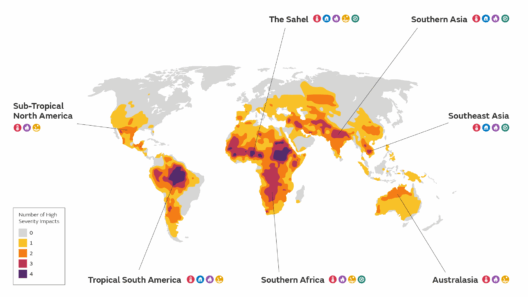
Moreover, the global community bears a shared responsibility to mitigate climate change. The reality is that the effects of climate change are not confined to any single geographic region; they unfurl across continents, affecting vulnerable communities worldwide. Thus, the question of relocation does not solely rest on the shoulders of those in coastal towns, but rather should invoke a sense of collective action. Climate policies should reflect an understanding that all nations are interconnected, and decisions made in one part of the world inevitably affect others.
Education plays a pivotal role in shaping perceptions around climate change and its implications for coastal communities. Instilling an awareness of environmental stewardship from a young age can engender a sense of responsibility that transcends individual borders. By fostering curiosity and empowering future leaders, we can spark grassroots movements that demand accountability and proactive measures against climate change.
Lastly, it is pivotal to keep the conversation going. Engaging storytelling that conveys the challenges faced by coastal towns can inspire deeper understanding and action among wider audiences. Raising awareness through various platforms—be it literature, art, or visual media—invites an exploration of the broader consequences of climate change. As observers begin to see beyond their immediate realities, they may develop a more profound empathy for those uprooted by environmental forces.
In summary, climate change poses an existential threat to coastal towns, prompting urgent discussions about the possibility of relocation. While facing significant hurdles, innovative solutions exist that emphasize managed retreat and community engagement. It is essential to confront the root causes of climate change while fostering a global sense of responsibility and empathy. Through these concerted efforts, a sustainable future might emerge, transforming the urgency of the present into a beacon of hope for generations to come.