

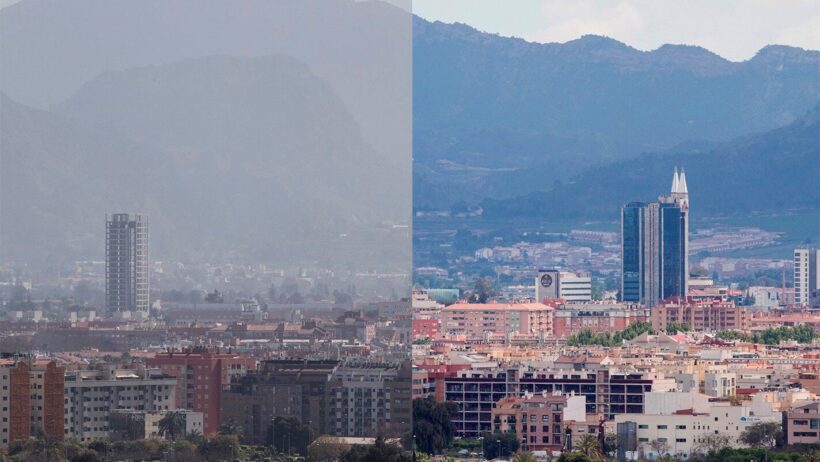

The COVID-19 pandemic has induced monumental disruptions across various sectors, bringing to light an urgent question: Has the pandemic put a dent in climate change? As nations grappled with unprecedented health emergencies, the global response showcased a suite of environmental ramifications that surfaced in both positive and negative forms.
To begin exploring this inquiry, it is essential to examine the immediate environmental effects that accompanied lockdowns worldwide. As economic activity ground to a halt, emissions of greenhouse gases saw a remarkable decline. In the early months of 2020, satellite imagery revealed a noticeable reduction in nitrogen dioxide levels over major urban centers, conclusively illustrating the correlation between diminished transportation and industrial activities and improved air quality. This ephemeral respite for the planet sparked conversations and considerations around sustainable practices and environmentally conscious behaviors.
However, it would be shortsighted to declare a victory for climate change solely based on these transient shifts. The reductions in emissions were largely circumstantial, resulting from an economic freeze rather than a concerted effort toward sustainable practices. As countries began to loosen restrictions and reinstate their economies, emissions swiftly surged again, reclaiming their pre-pandemic trajectories. This presents a stark reality: while the pandemic presented an opportunity for reflection on our environmental impact, reverting to “business as usual” could engender significant setbacks in climate action.
The pandemic has also altered patterns of consumption and production, prompting a cultural reexamination that extends beyond mere emission statistics. Remote work became commonplace, leading to significant changes in commuting behaviors. Urban residents experienced cleaner air and quieter streets, a phenomenon that may awaken a collective desire for more permanent alterations to urban planning and public transportation policies. This aspect of the pandemic imbues a compelling argument for reimagining how cities function in harmony with nature, establishing green spaces, and implementing sustainable transport solutions.
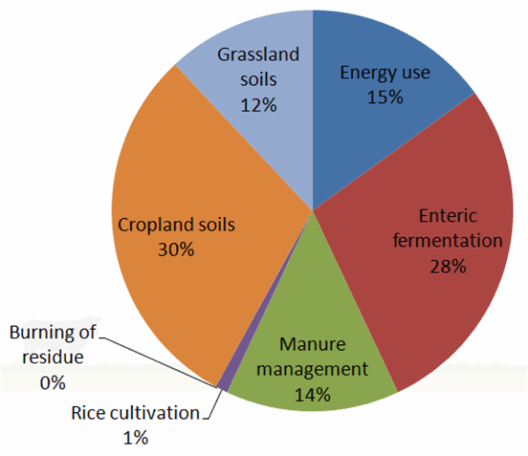
Moreover, the global crisis incited a surge in public interest regarding localism and self-sufficiency—ideas that resonate profoundly with sustainable practices. As supply chains were disrupted, many turned to local agriculture, rediscovering the importance of community and shared resources. The “farm-to-table” movement gained traction and highlighted a vital connection between food systems and environmental sustainability. Such revelations could foster enduring changes in consumer behavior, especially as individuals become more cognizant of the environmental costs associated with global shipping and mass production.
However, the intersection of the pandemic with climate change is not solely about immediate environmental benefits. Other dimensions of the crisis revealed vulnerabilities, particularly regarding societal structures and their susceptibility to shocks. The severe impact on the most marginalized communities illustrated the connection between climate change and socio-economic disparities. These populations often inhabit regions that are disproportionately affected by environmental degradation and natural disasters. Thus, any climate action measures must also encompass social equity to foster resilience in the face of a warming planet.
Additionally, this pandemic has precipitated a paradigm shift in global policy discussions. Several nations have begun integrating climate considerations into their economic recovery strategies. The European Union’s Green Deal presents a salient case, intertwining recovery funding with sustainability objectives. This integration signals a promising evolution; however, challenges loom as industries resist changes that may cultivate a renewed reliance on fossil fuels, especially in developing nations attempting to recover economically.
The dialogue surrounding climate action has also expanded through new forms of advocacy that emerged during the pandemic. As social movements gained traction online, resulting in increased awareness of environmental injustices, a new generation of activists entered the discourse. The adrenaline-fueled protests against racial inequality offered an opportunity for environmental justice advocates to join forces, unearthing a broader understanding of the connections between climate action, racial equity, and economic justice. Such solidarity may ultimately prove transformative in shaping a more comprehensive approach to environmental policy.
Furthermore, the pandemic’s digital transformation facilitated avenues for global collaboration that were previously unattainable. Virtual summits and online forums enabled stakeholders across sectors to converge, emphasizing the urgency of addressing climate change collectively. Novel alliances forged during this time may lead to innovative solutions that can accelerate progress toward climate goals. As technology continues to advance, grassroots movements stand to benefit from improved communication tools and fundraising capabilities, ensuring that climate discourse remains vibrant in the public sphere.
In retrospect, pandemic-induced changes have exposed brutal truths about reliance on fossil fuels, systemic inequities, and the fragile status quo of environmental policies. However, the reverberations offer a glimmer of hope—an opportunity for introspection and reevaluation of societal priorities. Yes, short-term improvement metrics may be deceiving, but the latent potential to transform our relationship with the planet remains tangible.
In conclusion, the pandemic presents both trials and opportunities as it relates to climate change. While it is imperative to recognize the short-lived nature of reduced emissions, the unprecedented global response has seeded a yearning for systemic change. As individuals and policymakers grapple with the implications of the pandemic, the hope remains that this moment will catalyze an enduring shift—one that surfaces a collective consciousness dedicated to sustainable living and long-term ecological resilience. The question remains not solely whether the pandemic has put a dent in climate change, but how this dent can evolve into a substantial and lasting commitment toward addressing the climate crisis.