
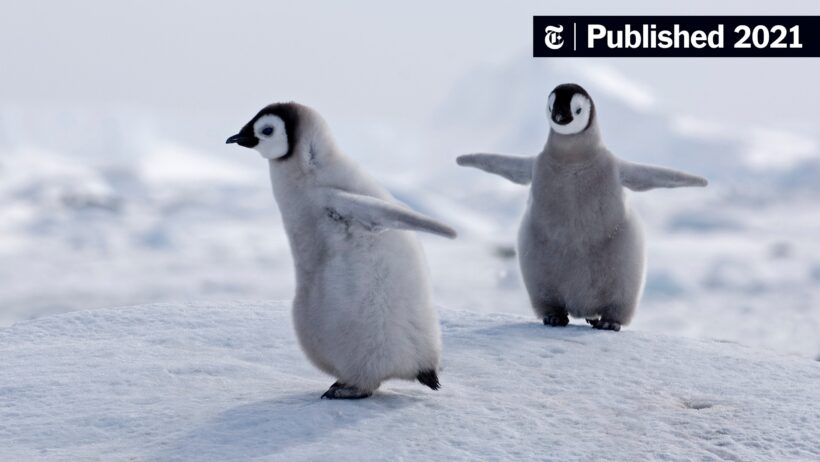

As the icebergs calve melodiously in the frigid waters of Antarctica, one must wonder: What fate awaits the Emperor Penguin, the majestic avian sentinel of this desolate land? This thought-provoking inquiry leads us to explore a biological marvel that stands precariously on the precipice of extinction due to the ravages of climate change.
The Emperor Penguin (Aptenodytes forsteri) possesses an extraordinary resilience, having adapted to survive in one of the planet’s most inhospitable environments. These elegant birds are renowned for their remarkable breeding behaviors, engaging in lengthy marches across the ice to reach breeding colonies where they tenderly nurture their single egg. However, the ongoing phenomenon of climate change presents a daunting challenge, threatening the delicate equilibrium that sustains these iconic creatures.
Climate change has triggered a series of alarming transformations within the Antarctic ecosystem. As polar regions warm at an unprecedented rate, sea ice is diminishing. This loss is catastrophic for the Emperor Penguin, as it relies heavily on stable sea ice not only for breeding but also for foraging. The intricate interplay between the temperature fluctuations and the breeding cycle of these birds poses an existential threat. With the sea ice retreating earlier in the season, breeding success diminishes due to decreased access to food and insufficient egg incubation environments.
Prolific upon the sea ice, krill serves as the Emperor Penguin’s primary dietary staple. These small crustaceans, which rely on the very ice for their reproductive cycles, are suffering due to diminishing ice coverage. As their population dwindles, so too does the emperor’s ability to procure nourishment. The dietary chain reaction underscores the alarming nexus between climate-induced habitat loss and the overall well-being of the Emperor Penguin population.
Furthermore, the continued melting of ice has resulted in rising sea levels, not just endangering the avian population but affecting the entire Antarctic biome. A rise in sea levels could lead to more erratic weather patterns, like gale-force winds and unpredictable storms. Such meteorological anomalies can prove fatal during breeding seasons, wreaking havoc on the penguins’ egg-laying cycles and leading to increased chick mortality rates.
Research has indicated that the combined effects of habitat loss and limited food supply could result in a catastrophic decline of the Emperor Penguin population by as much as 80% by the end of the century. This statistic is alarming, akin to a clarion call urging us to awaken from our complacency and take action. The stark reality is that if current trends continue, the Emperor Penguin may become one of the more overt symbols of climate change, embodying what is lost when ecosystems falter.
Accompanying these changes is the specter of toxic pollutants permeating the Antarctic environment. Warmer temperatures can lead to altered currents and the release of previously trapped contaminants that pose a significant threat to wildlife, particularly the tender life stages of chicks. When pollutants enter the food chain through krill, they bioaccumulate and ultimately impact the health of the adult penguins as well, leading to a less robust population that is ill-equipped to face mounting challenges.
So, where does this leave the Emperor Penguins? Are we simply observers of their slow decline, or do we have a role to play in mitigating these changes? While the enormity of the issue can be overwhelming, community-driven initiatives and global collaboration can galvanize efforts towards preserving the Antarctic ecosystem. Engaging in conservation policies and participating in sustainable practices would be pivotal in combating climate change. Advocating for stricter regulations on carbon emissions, supporting research initiatives aimed at understanding climate impacts, and promoting awareness of marine wildlife conservation can serve as significant steps toward a solution.
Moreover, adopting a mindset that emphasizes scientific innovation and sustainability can invigorate our battles against climate change. Whether through carbon capture technologies or regenerative practices in our ecosystems, there lies a wealth of opportunity for creative problem-solving. Each individual can harness motivation for change through activism, education, and community engagement. Humanity holds the possibility of reversing trends through concerted, collective action, influencing policy that could dramatically benefit our planetary health.
Our era presents us with a profound challenge: the survival of iconic species like the Emperor Penguin and the entire Antarctic ecosystem are intertwined with our own practices and decisions. By illuminating the plight of such creatures, we can foster a deeper understanding of our interconnectedness with nature. Do we want our children to learn about Emperor Penguins through stories of their glory or tales of their demise? The onus lies with us, for when we work hand-in-hand with nature, we unlock the potential for restoration.
A clarion reminder of nature’s fragility, the Emperor Penguin beckons us to take heed. The time for complacency has ebbed; now is a moment to act and to ally ourselves with the imperiled inhabitants of our planetary playground. Let us rise to the occasion and champion a future where the Emperor Penguins once again thrive, gliding gracefully through the icy realms of Antarctica.