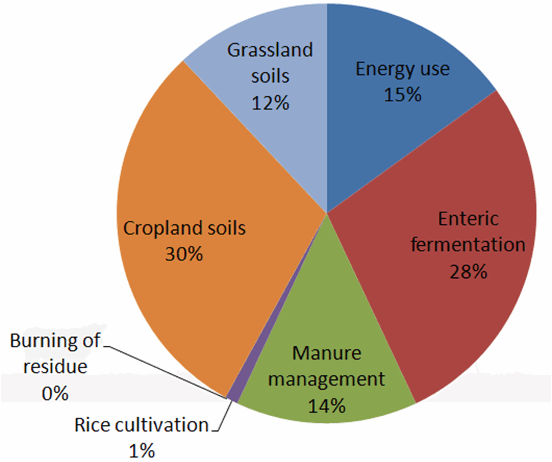

The intricate relationship between cows, rice, and methane emanates as a pivotal yet often overlooked factor in the discourse on climate change. As we plunge into the depths of this connection, a compelling narrative unfolds—an amalgamation of agricultural practices, greenhouse gas emissions, and the imperative need for sustainable solutions. Understanding this triad allows for broader reflections on how our food systems not only nourish us but also impact the planet.
First, let’s explore the crux of methane as a greenhouse gas. Methane (CH₄) is an organic compound, significantly more potent than carbon dioxide, with a global warming potential that amplifies over a short atmospheric lifespan. While carbon dioxide frequently steals the limelight in climate discussions, methane’s influence is disproportionately high in the near term. Methane contributes approximately 25% of the global warming effect across a 100-year horizon. This malevolent gas is primarily emitted through agriculture, particularly from enteric fermentation in livestock and rice cultivation, which together account for a substantial fraction of anthropogenic emissions.
At the heart of this atmospheric conundrum are ruminant animals, particularly cows. As ruminants, cows possess a unique digestive system that ferments food in a specialized stomach chamber, enabling the breakdown of complex plant materials. This process, however, releases methane. When cows digest fibrous plants, anaerobic bacteria in their stomachs facilitate fermentation, leading to the release of methane both during digestion and through belching. Remarkably, a single cow can produce over 100 kg of methane annually. In agricultural terms, the sheer volume becomes staggering when one considers the millions of cattle globally.
Shifting our focus to rice, we uncover another culprit in the methane emissions saga. Rice paddies present an analogous challenge; the waterlogged conditions necessary for rice cultivation create an anaerobic environment. Under such conditions, organic matter decomposes differently than it would in drier soils, leading again to methane production. Field studies indicate that flooded rice fields can emit methane at rates that rival those from livestock, contributing significantly to the overall methane landscape in agriculture.
The findings are startling. Global rice cultivation produces an estimated 20% of total methane emissions from human activity. This saturation in emissions highlights a critical paradox: rice is a staple food for more than half of the world’s population, yet it holds an ambiguous relationship with climate change. In a world where food security is paramount, the potential for rice to exacerbate environmental challenges raises pressing questions about sustainable agricultural practices.
So, what can be done? Initiatives aimed at reducing methane emissions from both cows and rice are emerging across various platforms. To mitigate the emissions from cattle, scientists are exploring dietary modifications—such as integrating seaweed or other feed additives that can disrupt methane formation in the digestive process. Additionally, altering grazing practices and improving manure management can substantially lower methane outputs. A multifaceted approach directed at optimizing herd health and productivity may lead to enhanced sustainability.
Equally, in rice cultivation, transitioning rice plants to more resilient varieties, implementing alternate wetting and drying techniques, and utilizing aerobic rice systems could all herald profound changes. These practices not only minimize water usage but also drastically reduce methane emissions. Such innovations are especially relevant in the context of global food security; they offer ways to maintain yields while minimizing environmental impact.
Moreover, the fusion of technology and traditional knowledge is essential. Innovative carbon farming methods, which incentivize farmers to adopt practices that sequester carbon, could dovetail with methane reduction strategies. Collaborative platforms enable farmers to share insights and implement best practices, creating a more sustainable agricultural landscape.
Exploring consumer behavior, the dialogue surrounding meat consumption must evolve. As societies grapple with dietary shifts and the growing popularity of plant-based diets, greater public awareness about the implications of livestock farming for the environment is paramount. Reducing meat consumption, even slightly, can multiply benefits by alleviating the environmental strains associated with livestock agriculture. Consumers, in their purchasing decisions, wield the power to incentivize change. The grassroots movement toward local and sustainable food sources illustrates an encouraging trend in mitigating climate effects while supporting local economies.
This transformational journey evokes a proactive approach to climate change mitigation. Fostering collaboration among governments, scientists, businesses, and individuals is paramount. Policymaking that reflects the urgency of reducing agricultural emissions can stimulate innovative solutions. Environmental advocacy groups can amplify these messages, fostering awareness and inciting collective action, galvanized by a sense of shared responsibility.
In contending with the impacts of climate change, the interconnectedness of agricultural practices—the relationship between cows, rice, and methane—serves as a microcosm of the broader environmental challenges we face. As we confront the harsh realities of climate change, collective action driven by curiosity and commitment becomes imperative. Recognizing these unexpected ties forces us to confront our assumptions and motivates a systemic overhaul toward sustainable practices.
The prospects of a greener future lie in understanding the delicate balance of our ecosystems and modifying our agricultural habits. By redefining our approach to the complex relationship between cows, rice, and methane, we can catalyze meaningful change that transcends individual actions and contributes to a more sustainable world.