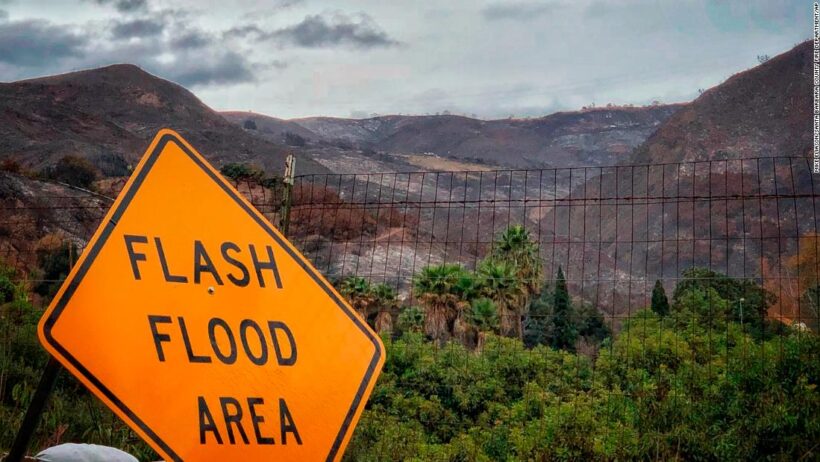

California, renowned for its picturesque landscapes and diverse ecosystems, is increasingly becoming a case study in extreme weather phenomena. The connection between California storms and climate change has become a critical conversation, intertwining the state’s environmental future with the broader framework of global climatic shifts. To understand this intricate relationship, one must delve into the mechanisms driving these changes, consider the historical context, and explore the implications for California’s residents and ecosystems.
At its core, climate change represents a significant alteration in global weather patterns, predominantly driven by anthropogenic activities. The accumulation of greenhouse gases, such as carbon dioxide and methane, has resulted in a warming planet. This warming is not uniform; it manifests variably in different regions, including California. As temperatures rise, the hydrological cycle intensifies, leading to more extreme precipitation events interspersed with prolonged droughts. This dichotomy is best illustrated through the concept of “weather whiplash,” where stark temperature and precipitation contrasts occur in rapid succession, creating an unpredictable climate landscape for the state.
Over the past decade, California has witnessed a disturbing trend: an increase in the frequency and intensity of storms. The state, which typically enjoys a Mediterranean climate, has experienced episodic deluges, resulting in widespread flooding and infrastructure strains. These storms are not merely meteorological anomalies; they are symptomatic of a larger climate crisis that is reshaping California’s environmental fabric. The question arises: what mechanisms underpin these intensified storms?
The Pacific Ocean plays a pivotal role. The warming waters contribute to enhanced evaporation rates, which subsequently feed atmospheric moisture. This additional moisture culminates in more vigorous storm systems that unleash heavier rainfall. Furthermore, the phenomenon of atmospheric rivers—long, narrow bands of moisture in the atmosphere—has become increasingly prevalent. These atmospheric rivers can deliver copious amounts of precipitation in a short period, leading to significant flooding and erosion.
Additionally, the interplay between global climate systems and regional weather patterns cannot be overlooked. The El Niño and La Niña cycles, characterized by fluctuations in ocean temperatures in the Pacific, significantly influence California’s atmospheric conditions. During El Niño years, warmer ocean temperatures typically correspond with wetter-than-average winter conditions, exacerbating the risk of mudslides and flooding. Conversely, La Niña can lead to drier conditions, resulting in a detrimental increase in wildfire risks. This cyclical nature of weather patterns underscores the complexity of anticipating the frequency and severity of storms in California.
However, the ramifications of these changes extend beyond mere meteorological observations. Ecologically, California’s unique habitats are under siege. The Sierra Nevada mountains, crucial for snowpack that serves as a fresh-water reservoir, are experiencing alterations in snowfall patterns. Warmer storm systems often bring rain instead of snow, leading to diminished snowpack levels. This shift is not just a seasonal inconvenience; it has profound implications for water availability during the arid summer months when demand surges. Additionally, altered precipitation patterns impact ecosystems, disrupting the delicate balance that sustains plant and animal life.
Societally, the consequences are equally dire. Increased flooding exacerbates infrastructure vulnerabilities. Roads, bridges, and homes are increasingly susceptible to storm surge and runoff, leading to economic burdens that strain governmental resources and community resilience. Vulnerable populations, especially those in low-income areas, face disproportionate risks as they often lack the resources to adapt to these changes. In essence, these storms serve as a lens through which the inequities of climate change manifest, emphasizing the need for inclusive planning and equitable resource allocation.
In response to this growing crisis, proactive measures are imperative. California has historically led the charge in environmental regulation, implementing policies aimed at greenhouse gas reduction and renewable energy adoption. These initiatives represent a commitment not only to mitigate climate change but to adapt to the realities of a changing climate. Increasing investments in infrastructure to withstand extreme weather events, enhancing flood control systems, and restoring wetlands are essential strategies to bolster resilience against future storms.
Moreover, public awareness and community engagement play critical roles in fostering adaptive behaviors. Herein lies an opportunity for education and activism; promoting sustainable practices such as water conservation and habitat restoration invites nations to partake in collective responsibility. Grassroots movements advocating for climate action are vital in shaping policy and influencing decision-making at local, state, and national levels.
As the dialogue surrounding climate change evolves, it is essential to approach the issue with curiosity and an open mind. The connection between California storms and climate change is emblematic of the larger narrative on environmental stewardship. It compels individuals to recognize their role in addressing systemic challenges and affirms that change is possible through concerted efforts.
Ultimately, the transformation in California’s storm patterns serves as a harbinger of the far-reaching consequences of climate change. It cultivates a pressing need for a paradigm shift—a movement towards sustainability that respects the interconnectedness of natural systems. The future of California, and indeed the world, hangs in a precarious balance: a clarion call for action that transcends borders and unites us in a common goal of ecological resilience and sustainability.