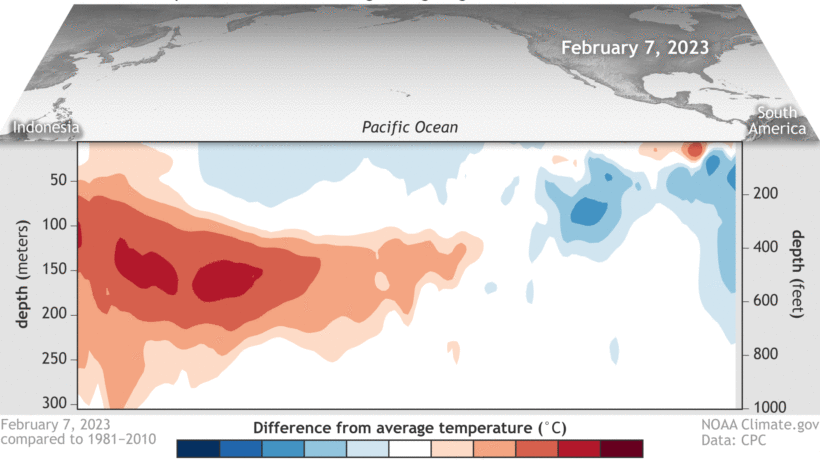

ENSO (El Niño-Southern Oscillation) is a complex climate pattern that arises from interactions between the ocean and the atmosphere in the tropical Pacific. This phenomenon comprises three phases: El Niño, La Niña, and the neutral phase. Each variant has distinct impacts on global weather patterns, particularly concerning temperature, precipitation, and storm activity. The intensity and frequency of these events have become a subject of great scrutiny in recent years, especially in light of climate change. The pivotal question arises: Are we witnessing stronger El Niños as our planet warms?
Historically, El Niño events occur approximately every 2 to 7 years, characterized by warmer-than-average sea surface temperatures in the central and eastern Pacific Ocean. Conversely, La Niña phases are marked by cooler-than-average temperatures. The neutral phase signifies average conditions. As our climate continues to change, it is imperative to evaluate whether the underlying mechanics of ENSO are shifting, leading to more extreme weather patterns worldwide.
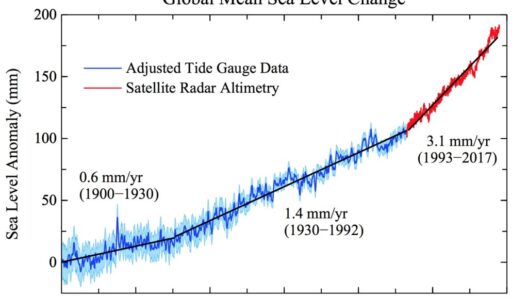
The relationship between ENSO events and climate change is multi-faceted. Researchers postulate that global warming may alter the frequency and intensity of El Niño and La Niña events. The existing body of research suggests a potential trend towards stronger and more prolonged El Niño occurrences. Ocean warming contributes significantly to this phenomenon. As sea surface temperatures rise, the warm waters promote more dynamic atmospheric circulation patterns, which can exacerbate the development and intensity of El Niño phenomena.
Moreover, altering ocean conditions have implications for the feedback mechanisms involved in ENSO events. For example, the warm waters of an El Niño phase can lead to increased evaporation rates, which subsequently influence atmospheric moisture levels. This augmented presence of moisture can trigger more severe precipitation events, droughts, or cyclones in various regions. Furthermore, it can amplify temperature anomalies across the globe, worsening existing climate-related issues.
The impacts of stronger El Niño events are myriad and profound. For instance, the 1997-1998 El Niño event was one of the most intense on record, causing significant weather disruptions, including catastrophic flooding and drought across continents. Evidence suggests that similar patterns could validate the hypothesis of escalating intensity in future events, potentially creating a domino effect on food security, water availability, and biodiversity.
Climate models project an increase in the intensity of El Niño events as greenhouse gas concentrations continue to rise. These projections indicate a possible shift towards more frequent extreme weather phenomena linked to ENSO impacts. Such projections, however, are not universally accepted, as some studies indicate that while the global temperature rises, the El Niño cycle may stabilize or experience varied patterns. This discrepancy underlines the complexity of climate systems, which operate under numerous interconnected variables.
Researchers utilize climate models to analyze historical data and predict future trends. Models that incorporate climate change variables suggest enhanced likelihoods of extreme El Niño events. This assessment amplifies concerns regarding global temperature increases, as extreme El Niños are associated with severe weather episodes and disruptions to agricultural yield worldwide. Such disruptions can ripple through food systems, leading to both economic and humanitarian crises.
While discussions center on El Niño, La Niña is equally critical in understanding ENSO dynamics. The past few decades have also seen significant La Niña events, which can have equally severe repercussions on weather patterns. La Niña phases can lead to drought in some regions while causing excessive rainfall and flooding in others. The juxtaposition of El Niño and La Niña illustrates the complexity of climate systems, wherein the effects of one can either be mitigated or compounded by the other. Research shows that the interplay between these phases can lead to erratic patterns of climate impact, necessitating adaptive strategies across various sectors.
In the context of climate change, the unpredictability of ENSO events emphasizes the need for vigilant monitoring and adaptive management. Enhanced predictive capabilities are essential for implementing effective resilience strategies within communities vulnerable to climate extremes. Governments and organizations must prioritize investment in research and data collection to refine their understanding of ENSO patterns amidst climate change. Such insights can inform more robust policies and action plans, allowing societies to better prepare for, withstand, and recover from climate-related events.
Education and advocacy are also pivotal in addressing the implications of changing ENSO dynamics. Globally, individuals, communities, and institutions must understand the intricacies of climate systems and their impacts. By disseminating knowledge regarding ENSO and its connection to climate change, stakeholders can galvanize action towards sustainability and resilience in the face of emerging threats. Community-driven initiatives, educational programs, and policy reform can collectively shape a proactive stance, embedding climate literacy into societal frameworks.
As the world confronts increasingly formidable climate challenges, continuous engagement in research concerning ENSO events remains critical. The dialogue regarding stronger El Niños must reflect interweaving narratives of climate justice, sustainability, and environmental stewardship. By fostering collaboration between scientists, policymakers, and activists, society can work toward equitable solutions that mitigate the impacts of climate change and safeguard the future of our planet.
In conclusion, the question of whether El Niño events are becoming stronger is intricately linked to broader discussions around climate change. There is compelling evidence suggesting that anthropogenic influences on the climate system may indeed be fueling more intense El Niño events. As such, understanding these dynamics is crucial in preparing for and adapting to the myriad climate impacts that lie ahead.