In the myriad conversations surrounding climate change, the emergence of heatwaves as increasingly frequent phenomena demands our serious consideration. Heatwaves are not merely uncomfortable spikes in temperature; they represent a significant shift in climatic patterns, significantly attributed to anthropogenic activities. This piece delves into the implications of rising temperatures on our weather systems and queries whether heatwaves are, indeed, becoming the new normal.
To comprehend the evolving nature of heatwaves, it is prudent to first establish a clear definition. A heatwave is commonly characterized as a prolonged period of excessively hot weather, which may be accompanied by high humidity. In the context of historical weather data, the thresholds for heatwaves vary by location. However, it is becoming increasingly evident that the parameters for what constitutes a “heatwave” are inconstant, driven by the gradual warming of the planet.
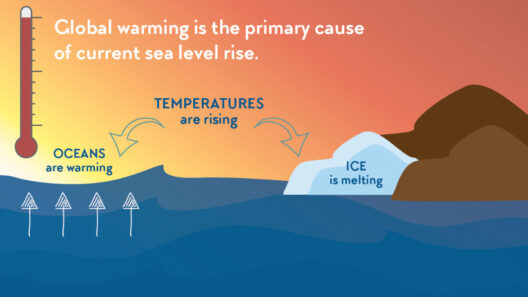
The data presented by climate scientists elucidates a troubling trend: the frequency, duration, and intensity of heatwaves are escalating globally. For instance, in the United States, average temperatures have risen by approximately 1.8 degrees Fahrenheit since 1901, with regions such as the Southwest experiencing even more dramatic increases. The underpinning cause of this phenomenon is the greenhouse gases—especially carbon dioxide and methane—emitted from industrial activities, deforestation, and extensive agricultural practices. These gases trap heat in the atmosphere, leading to the so-called greenhouse effect.
Inquisitively, one might wonder how this rise in temperatures directly influences weather patterns. The correlation is both profound and intricate. Higher global temperatures can disrupt traditional weather systems, leading to not only more frequent heatwaves but also severe droughts and modified precipitation patterns. When the land overheats, it can create a feedback loop that intensifies climate extremes, catalyzing further deviations from historical temperature norms.
The impact of heatwaves extends far beyond mere discomfort. Elevated temperatures pose serious health risks, especially for vulnerable populations such as the elderly and those with pre-existing health conditions. Heat-related illnesses like heat exhaustion and heat stroke can become widespread, straining public health systems. The economic ramifications are equally alarming, as agriculture, energy consumption, and labor productivity are all adversely affected by higher temperatures.
Moreover, ecosystems are not exempt from the ramifications of heatwaves. Flora and fauna adapt to specific temperature ranges, and sustained exposures to higher temperatures can lead to shifts in biodiversity. Species that cannot acclimate or migrate to cooler areas face the threat of extinction. Conversely, some invasive species may thrive, further disrupting local ecosystems and compounding the challenges posed by climate change.
Interestingly, the increasing occurrences of heatwaves could also instigate social changes. As regions become more prone to extreme temperatures, migration patterns may shift dramatically. Populations from inhospitable areas could seek refuge in less affected locales, creating demographic upheavals and potentially sparking sociopolitical tensions. The concept of climate refugees is becoming more than a speculative notion; it is a tangible reality for many who cannot adapt to their changing environments.
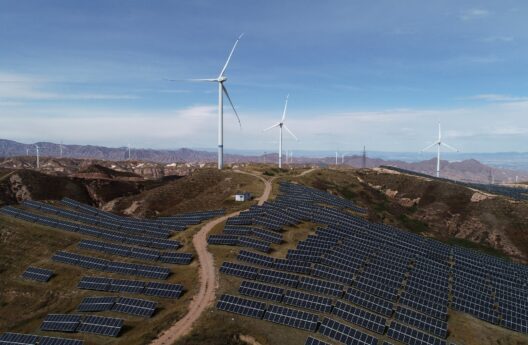
Nevertheless, it is imperative that we view this evolving climatic paradigm not solely as an ominous trend but as a clarion call for action. The recognition that heatwaves may become a regular aspect of our lives should galvanize efforts toward mitigation and adaptation strategies. Renewable energy sources, such as solar and wind, present promising avenues for reducing carbon emissions while promoting sustainability. Transitioning to these alternative energy forms can significantly diminish the human impact on climate.
Equally essential is the need for comprehensive policy shifts that emphasize climate resilience. Urban planning, for instance, should incorporate green spaces and reflective surfaces to mitigate heat absorption in densely populated areas. Expanding upon existing infrastructure to better accommodate natural water capture can help manage extreme weather events, including both excessive heat and resultant flooding.
Furthermore, educating communities about the effects of heatwaves and promoting awareness of the importance of conserving energy during peak temperatures can foster a culture of environmental stewardship. Telecommuting initiatives and flexible work hours during extreme temperature spells can also reduce energy demand and protect worker safety.
In summary, the inexorable ascent of heatwaves due to global warming evokes both concern and intrigue. Recognizing that these extreme weather events may represent a ‘new normal’ compels us to rethink our relationship with the environment. The urgency to enact substantive changes cannot be overstated; through collective action, comprehensive policy reform, and dedicated investment in sustainable practices, it is possible to mitigate the impacts of climate change before it solidifies its hold on our climate systems permanently. By embracing a future that prioritizes environmental health, society may reclaim agency over its destiny amid the tumultuous changes wrought by global warming.