
Climate change has painted a menacing portrait of what our future holds, with hurricanes standing out as one of its most formidable brushstrokes. The swirling winds and torrential rains of these storms serve as not just harbingers of destruction, but also reflective mirrors revealing the unsettling truths of our warming planet. Understanding the intricate connection between hurricanes and climate change is crucial for grasping the magnitude of the environmental crisis we face.
At their essence, hurricanes are a manifestation of nature’s raw energy, fueled by the oceans’ warmth. As the Earth’s temperature rises, a heated refrain reverberates through the world’s bodies of water, generating the energy necessary for hurricanes to thrive. The ocean functions like a vast cauldron, and as it heats up, it becomes a breeding ground for these colossal storms. This warming trend, exacerbated by human-induced climate change, results in more intense and frequent hurricanes, creating a chaotic symphony of destruction that echoes through coastal cities.
The concept of warmer waters is analogous to a coiled spring ready to unleash its energy. As temperatures increase, the ocean’s surface layer experiences a thermal expansion, resulting in more frequent and severe hurricanes. The “fuel” for these storms is derived from warm sea surface temperatures, typically above 80 degrees Fahrenheit. As climate change nudges these temperatures higher, these storms morph into more powerful systems, capable of causing catastrophic damage upon landfall.
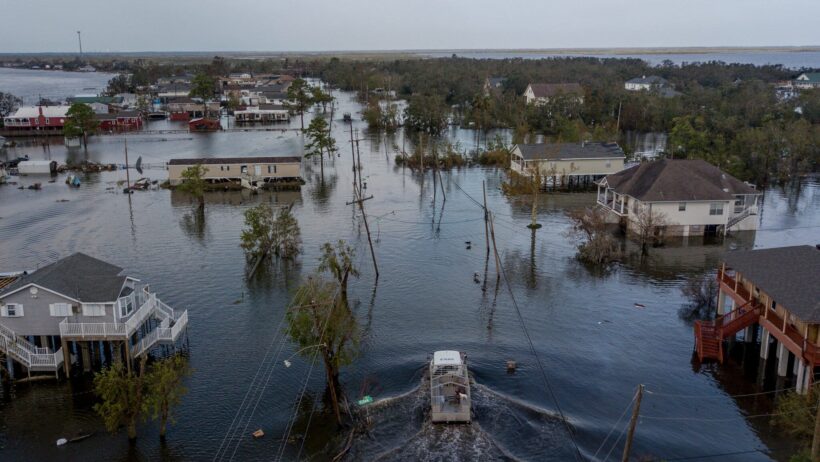
Moreover, it is not just the storms themselves that are intensifying, but also the associated rainfall patterns. Warmer air holds more moisture, which translates to much greater precipitation during hurricanes. This amplification of rainfall leads to devastating flooding, the repercussions of which can engulf communities, cause infrastructure failure, and lead to dire humanitarian crises. Each drop is not merely water; it represents the anxious weight of a shifting climate that we must navigate.
Wind patterns are similarly altered under the influence of climate change. The jet stream, which guides the path of hurricanes, is becoming increasingly erratic. It affects the speed and direction of these storms, leading to prolonged and more destructive interactions with land. For instance, what was once a fleeting storm can linger, wreaking havoc for days. Caught in the throes of this tempest, coastal regions experience unprecedented challenges, as storms stall over them, causing prolonged devastation.
As the waters warm, the geography of hurricanes also evolves. Historically, certain regions were deemed less susceptible to these colossal forces. However, with rising sea levels, some coastal areas that were once sheltered are now vulnerable. The encroaching tides of climate change are eroding barriers and shifting storm trajectories, leaving communities defenseless against these ominous whirlwinds. The stark reality is that no region is immune; as the storms change, so too do their paths.
Predicting hurricanes has become increasingly complex. The atmospheric changes brought on by climate change add layers of uncertainty to models that aim to forecast storm paths and intensities. As scientists strive to unravel these complexities, communities wait with bated breath for critical information that could mean the difference between life and death. The unpredictability of hurricanes, once an aspect of natural phenomena, is now entrenched in the larger narrative of climate change, illustrating a juxtaposition of science and fate.
However, the discussion does not culminate in despair; it fosters a burgeoning understanding of resilience and adaptation. Communities across the globe are prioritizing fortification against these climatic onslaughts. Infrastructure enhancements, such as building levees, improving drainage systems, and adopting sustainable urban development practices are being embraced as vital components of a comprehensive strategy to mitigate risks associated with hurricanes. Changing our approach to land use and coastal management illustrates an understanding that preparation must evolve alongside the storms themselves.
Furthermore, cultivating awareness about emergency preparedness is essential. Education plays a pivotal role in empowering individuals and communities to respond effectively during these natural disasters. Recognizing the relationship between climate change and hurricanes, local governments and organizations can disseminate vital information about evacuation routes, disaster supplies, and community support systems. Knowledge fosters resilience — the more informed the populace, the better equipped they are to weather the storm.
The narrative of hurricanes in the age of climate change compels us to rethink the very fabric of our relationship with nature. We are not mere bystanders; we are integral participants in the conversation surrounding environmental stewardship. The tapestry of climate change interlaces with the fate of hurricanes, reminding us that our actions have far-reaching implications. Sustainable practices and policies, such as reducing carbon emissions and advocating for renewable energy, represent the threads we can weave to fortify our collective future.
Ultimately, the storms of tomorrow will continue to be a reflection of the choices made today. The connection between hurricanes and climate change is not merely a scientific inquiry; it evokes a profound moral obligation to protect our planet and ensure the safety of future generations. As we navigate this tempestuous landscape, let us embrace the complexity of this issue and strive for meaningful change. Each effort, no matter how small, contributes to shifting the narrative from one of despair to one of hope and resilience.