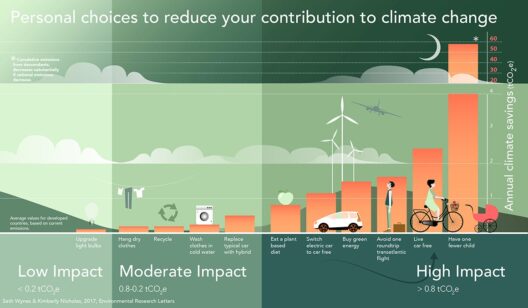
The dichotomy of sustenance choices has garnered increasing attention in the modern era, particularly concerning the escalating threats posed by climate change. One compelling and often overlooked aspect is the profound impact of dietary habits on our planet’s health, specifically through the lens of vegetarianism. The potential of embracing a vegetarian diet as a viable solution to mitigate environmental degradation cannot be dismissed; the intersection between food choices and ecological sustainability is more consequential than many realize.
At its core, vegetarianism promotes a lifestyle that significantly lessens one’s carbon footprint. The meat production industry is a notorious emitter of greenhouse gases, accounting for a staggering amount of global methane and carbon dioxide emissions. Livestock farming not only contributes to air pollution but also exacerbates deforestation and biodiversity loss due to the vast tracts of land required for grazing and feed crops. By choosing to forego meat, individuals can help decentralize the demand that drives such environmentally detrimental practices.
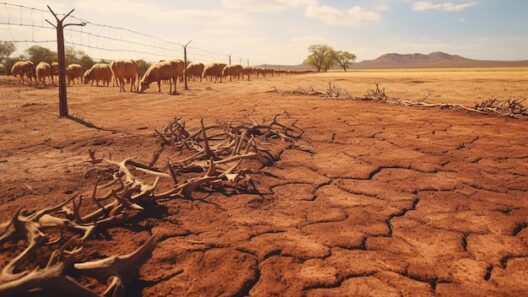
Furthermore, the water footprint of animal agriculture far exceeds that of plant-based diets. It is estimated that producing just one kilogram of beef requires approximately 15,000 liters of water, a figure that starkly contrasts with the significantly lower water requirements for crops like grains and vegetables. This excessive consumption amplifies the urgency of water scarcity issues observed around the globe, especially in arid regions where agriculture is already strained. Reducing reliance on water-intensive meat can alleviate pressure on freshwater resources, subsequently fostering a more sustainable approach to food production.
The role of vegetarianism extends beyond mere carbon and water conservation; it intersects intricately with soil health. Conventional farming practices, often dominated by the livestock industry, contribute to soil degradation through overgrazing, compaction, and nutrient depletion. By redirecting agricultural practices toward plant-based food production, society could initiate a regenerative model that enhances soil fertility and resilience. Crop rotation and diverse planting strategies yield healthier soils teeming with microbial life, essential for maintaining the ecological balance.
Moreover, the relationship between livestock farming and deforestation cannot be overlooked. Significant swaths of the Amazon rainforest have been cleared to create pastures for cattle. Deforestation not only results in a loss of biodiversity but also releases stored carbon dioxide, exacerbating the greenhouse effect. By adopting a vegetarian lifestyle, consumers can actively contribute to the conservation of vital ecosystems, preserving the myriad species that inhabit them and ensuring the planet’s resilience in the face of climate fluctuations.
The psychological allure of vegetarianism also endeavors to reshape societal norms. The cultural inclination towards meat consumption is deeply ingrained, often tied to identity and tradition. However, transitioning towards a plant-based diet can challenge the status quo, promoting a paradigm shift that encourages a collective re-evaluation of how we view food and its relationship to our ecological footprint. The burgeoning popularity of plant-based substitutes and innovative food technologies signifies a critical turning point. As these alternatives become more mainstream, the perception of vegetarianism as a restrictive dietary choice is slowly evolving into an exciting culinary exploration.
Nevertheless, it is crucial to address potential misconceptions surrounding vegetarianism. The notion that meat is an indispensable component of the human diet persists, yet evidence demonstrates that nutrient-rich plant-based diets can provide all essential amino acids, vitamins, and minerals. Iron, Omega-3 fatty acids, and protein can be obtained from various plant sources, challenging the myth that vegetarianism compromises nutritional adequacy. Ongoing research and advocacy continue to illuminate the viability of plant-based diets, entrenching their place as essential to public health and environmental sustainability.
While the benefits of vegetarianism are extensively documented, the transition towards such a lifestyle often confronts obstacles—cultural, economic, and social. The culinary landscape is rife with regional and traditional dishes heavily reliant on meat ingredients. Initiatives aimed at enhancing accessibility and affordability of vegetarian options, while concurrently debunking myths through educational outreach, can pave the way for broader acceptance. Schools, community organizations, and governmental bodies play vital roles in sowing the seeds of change, fostering environments that celebrate plant-based cuisine.
On an individual level, adopting vegetarianism creates an actionable pathway toward climate action. Each meal becomes a conscious decision, a statement of values reflecting a commitment to planetary health. When individuals choose plant-based foods over meat, they not only contribute to a decrease in demand for damaging agricultural practices but also inspire peers to reconsider their own dietary habits.
Ultimately, the convergence of vegetarianism and climate change underscores a vital truth: our collective choices regarding food are powerful levers capable of instigating substantial change. As consumers prioritize environmental sustainability, the paradigm of food production must evolve to meet these preferences. Embracing vegetarianism is more than just a dietary preference; it represents a commitment to nurturing the planet, fostering biodiversity, and cultivating a sustainable future for generations to come. By recognizing the significant role of our food choices, we can collectively forge a more resilient and ecologically sound world.