
The complexity of our climate system is a subject that warrants deep contemplation, particularly as we approach significant milestones such as the years 2030, 2050, and 2100. The trajectory of global warming is not merely a matter of numbers; it embodies the veritable pulse of our planet’s well-being. Forecasting the future of Earth under varying scenarios of greenhouse gas emissions is undoubtedly a multifaceted endeavor that encapsulates scientific rigor alongside ethical considerations.
As we delve into forecasts for 2030, one must comprehend the immediate challenges we face. Currently, the planet is warming at an alarming rate, with temperatures rising approximately 1.2 degrees Celsius above pre-industrial levels. If we maintain our current emissions trajectory, projections indicate that we could breach the critical threshold of 1.5 degrees Celsius as early as 2030. This threshold is pivotal because it catalyzes a cascade of catastrophic ramifications, including increased frequency and intensity of extreme weather events, rising sea levels, and profound impacts on biodiversity.
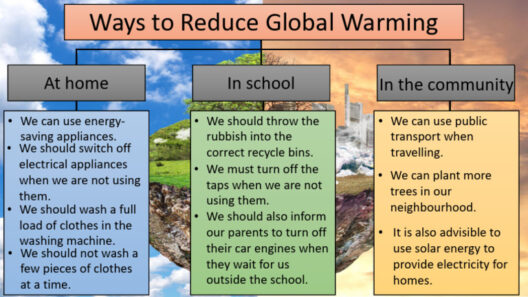
The International Panel on Climate Change (IPCC) highlights that we must halve global carbon dioxide emissions by 2030 to retain any semblance of climate stability. This ambition necessitates an unprecedented societal metamorphosis that transcends our everyday life. Transitioning to renewable energy sources, enhancing energy efficiency, and fostering sustainable agricultural practices are tangible steps that must be escalated without delay. The question we must confront is: Are we collectively prepared to make the sacrifices necessary to secure a thriving planet for future generations?
Looking further along the continuum to 2050, the ramifications of our actions—or inaction—begin to crystallize into distinct outcomes. The trajectory taken by humankind over the intervening years will manifest starkly in Earth’s ecosystems and the socioeconomic fabric of human civilization. If aggressive mitigation strategies are adopted, it is plausible to envision a world transformed by green technology, where carbon neutrality becomes a baseline expectation rather than an aspirational goal. This paradigm shift could spawn vast green economies, characterized by job creation in renewable energy sectors, innovation in carbon capture technologies, and a revitalized commitment to environmental stewardship.
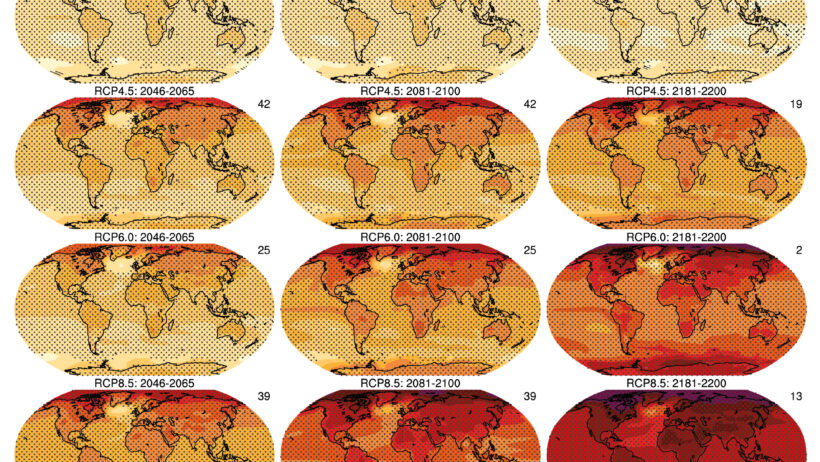
Conversely, should we continue on a path of complacency, by 2050 we could witness a climate system unrecognizable from today. For instance, scenarios suggest that global temperatures could rise by 2 to 3 degrees Celsius, resulting in dire consequences such as the collapse of coral reef ecosystems, which serve as critical barriers against storm surges and provide habitat for a plethora of marine species. The human experience would also be drastically altered, with millions of people displaced due to rising sea levels and extreme heat rendering certain regions uninhabitable. Agricultural production may falter, leading to food shortages and exacerbated conflicts over increasingly scarce resources.
The year 2100 looms on the horizon as a pivotal juncture, representing either a dystopian vista of environmental degradation or a hopeful culmination of humanity’s rigorous endeavors toward sustainability. If the current trends persist, it is anticipated that global temperatures may escalate by 4 to 5 degrees Celsius above pre-industrial levels. Such a scenario would lead to catastrophic outcomes: irreversible damage to ecosystems, widespread extinction of species, and a world plagued with water scarcity and health crises due to unmitigated air pollution and climate-related diseases.
Nevertheless, envisioning a utopian outcome is not beyond the realm of possibility. With proactive and transformative climate policies, international cooperation, and an unwavering commitment to technological innovation, a plethora of benefits could materialize. By 2100, cities could flourish with green infrastructure—think vertical gardens and solar panel-clad buildings—integrating seamlessly into urban landscapes. A societal focus on renewable energy could significantly diminish our reliance on fossil fuels, substantially curbing greenhouse gas emissions. In this hopeful rendition of our future, humanity embraces circular economies, where waste is minimized and resources are recycled ad infinitum.
Moreover, the actions taken today resonate through time. The intergenerational responsibility that we bear is immense; decisions made now will echo in the lives of our descendants, shaping their relationship with the planet. Ethical considerations become paramount: how do we ensure that vulnerable populations—often disproportionately affected by climate change—are prioritized in our mitigation strategies? Equity and justice in climate action must be foundational, ensuring that transitions toward sustainability do not exacerbate existing inequalities.
As the planetary clock ticks towards 2030, 2050, and 2100, we stand at a crossroads of monumental significance. Each choice we make, each policy we endorse, manifests as a brushstroke upon the immense canvas of Earth’s future. Engaging in discourse about climate change should not be a mere recitation of scientific data but rather an invitation to envision the very essence of our existence, challenging us to adapt, innovate, and unite in the name of planetary resilience.
Ultimately, the dialogue surrounding global warming must be one of curiosity and empowerment, urging citizens to partake actively in climatic discourse and advocacy. In understanding our role as stewards of the Earth, we can transform apprehension into action, ensuring that we navigate the uncertain terrain of tomorrow with resolve, optimism, and an unwavering commitment to the inheritance we leave behind.