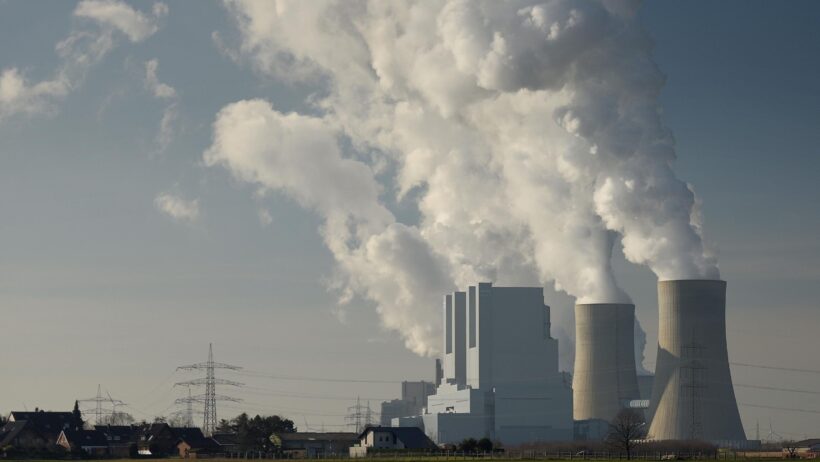

Coal power stations, nestled at the heart of energy production in many nations, play a pivotal role in the economy. However, they are also notorious for their detrimental effects on the environment. Every time coal is burned for energy, it releases a plethora of pollutants and greenhouse gases into the atmosphere, significantly contributing to global warming. But could the relentless reliance on coal power ultimately lead to our environmental undoing? This question deserves earnest contemplation.
The first step in understanding how coal power exacerbates global warming is to explore the combustion process itself. When coal is ignited, carbon dioxide (CO2) is released as a byproduct. In fact, coal-fired power plants are among the largest single sources of CO2 emissions globally. Unlike renewable energy sources that harness the sun, wind, or water, the combustion of coal liberates significant amounts of CO2, a potent greenhouse gas. The more coal we burn, the more CO2 we spew into the atmosphere, trapping heat and accelerating global warming.
Moreover, coal power stations do not only emit CO2; they release a variety of other harmful substances as well. These include sulfur dioxide (SO2), nitrogen oxides (NOx), particulate matter, and mercury. Each of these pollutants contributes to air quality deterioration and has profound public health implications. For instance, SO2 can lead to acid rain, which wreaks havoc on ecosystems, while particulate matter poses serious risks to respiratory health. As power stations proliferate around the globe, the cumulative effect of these emissions becomes increasingly perilous for our planet’s climate.
The contribution of fossil fuels, specifically coal, to global warming can be quantified, illustrating the stark reality of our situation. According to various studies, fossil fuel combustion accounted for approximately 79% of global greenhouse gas emissions in 2019. A sobering statistic, indeed. The scientific consensus is clear; if we do not curb our reliance on coal and other fossil fuels, we are spiraling toward an existential crisis marked by unprecedented climatic shifts.
One might wonder, what factors underpin our continued dependence on coal? Part of the answer lies in its historical significance. For over a century, coal has been a cornerstone of industrial and economic growth. Many regions have built entire infrastructures around the coal industry, creating jobs and stimulating local economies. This legacy complicates the transition to cleaner energy sources. The challenge is formidable; how can we disentangle ourselves from such a deeply entrenched system without causing significant socio-economic disruption?
Despite the challenges, the global landscape is evolving. Countries are beginning to recognize the dire consequences of climate inaction and are pledging to phase out coal power. Nations such as Germany, the United Kingdom, and Canada have implemented comprehensive policies aimed at reducing coal dependency. The transition is not merely beneficial; it is essential for curbing emissions and fostering a more sustainable future. Yet, the question remains: is the pace of change fast enough to mitigate the impending threats posed by climate change?
To effectively confront this challenge, a multifaceted approach is required. Policymakers must not only establish timelines for phasing out coal power but also invest substantially in renewable energy infrastructure. Solar, wind, and hydropower technologies have made remarkable advances in efficiency and affordability, presenting viable alternatives to fossil fuels. By bolstering renewable energy generation capacity, we can reduce emissions while ensuring energy security and economic stability.
In addition, energy efficiency initiatives can play a crucial role in combating the detrimental effects of coal. Upgrading existing power plants, improving heat generation processes, and promoting energy conservation are all critical components. For instance, advancements in carbon capture and storage (CCS) technologies could help mitigate emissions from existing coal plants, buying time while transitioning to cleaner energy sources. Yet, these solutions must be implemented in tandem with aggressive coal phase-out policies to achieve meaningful results.
Furthermore, public awareness and grassroots activism are indispensable. As communities become more informed about the profound implications of coal power and fossil fuel reliance, the momentum for change can become unstoppable. Encouraging individuals to advocate for cleaner energy sources and challenge the status quo can galvanize widespread support for policy shifts. The increasing visibility of climate activism highlights a growing impatience with inaction and a demand for accountable leadership.
However, the question remains: how can we ensure that these transitions occur equitably and justly? As we pivot away from coal, it is imperative to consider communities that have thrived in the coal economy. Transition plans must prioritize job retraining and diversification of local economies to prevent alienation and economic despair. A just transition acknowledges the human cost of the energy shift and commits to lifting all communities in the process.
In conclusion, coal power stations and fossil fuels are significant culprits in the dramatic acceleration of global warming. The challenges are daunting, yet the potential for transformative change is within reach. As we grapple with this existential dilemma, we must ask ourselves: are we prepared to confront the legacy of coal and embrace a sustainable future? By fostering dialogue, investing in renewable energy, and prioritizing equity, we can illuminate a pathway toward a resilient and thriving planet.