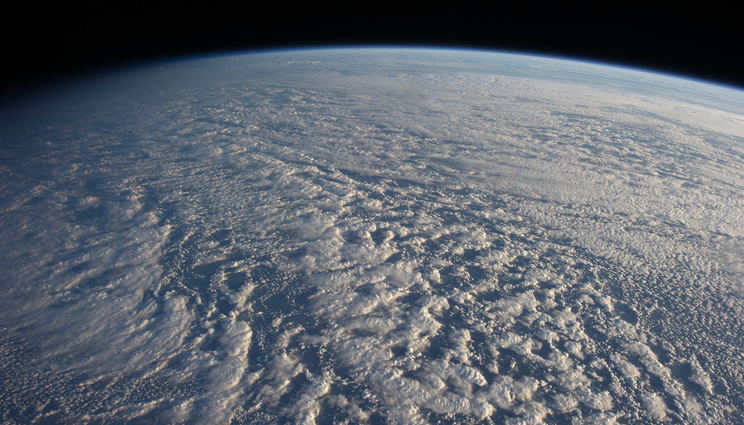

Clouds are often overlooked in the discussions surrounding climate change and global warming. However, they play a vital role in regulating the Earth’s temperature and weather patterns. The intricate dynamics between clouds and the atmosphere can significantly influence climate models, sometimes in ways that are not immediately apparent. Understanding the complexities of clouds can help clarify how they might be the X-factor in global warming predictions.
The classification of clouds is one of the first steps in grasping their impact on climate. Clouds are generally categorized into several types: cirrus, cumulus, stratus, and nimbus, among others. Each type has distinct properties that affect their behavior and interaction with solar radiation. For instance, cirrus clouds are thin and wispy, often allowing sunlight to penetrate while efficiently trapping heat beneath them. Conversely, stratus clouds are thick and gray, more effective at preventing sunlight from reaching the Earth’s surface. The role of these diverse cloud types is crucial when considering their implications for climate models.
One of the primary mechanisms through which clouds influence global warming is the greenhouse effect. Clouds can trap heat emitted from the Earth, thus increasing surface temperatures. This phenomenon is known as the “cloud feedback effect.” If climate models underestimate the impact of high-altitude cirrus clouds, the predictions for future warming could be significantly understated. The interplay of warming and cooling effects driven by various cloud types presents an intricate puzzle for climatologists to unravel.
In addition to greenhouse effects, clouds also contribute to albedo—the measure of how much sunlight is reflected by the Earth’s surface. Bright, fluffy cumulus clouds reflect a substantial amount of solar energy, helping to cool the planet. This cooling effect is essential, particularly in regions where persistent cloud cover is prevalent. However, climate change has introduced variability in cloud formation and persistence, complicating this relationship. As global temperatures rise, the expected balance between cooling and warming effects may shift, leading to alterations in the albedo effect.
Cloud Feedback Mechanisms
Cloud feedback mechanisms are complex interactions between clouds and the climate that can amplify or dampen the effects of global warming. Positive feedback occurs when warming leads to an increase in cloud formation, which in turn further raises temperatures. For example, as the planet warms, it can lead to heightened evaporation rates, resulting in more moisture in the atmosphere and subsequently, more clouds. The increased cloud cover could then trap more heat, enhancing the warming spiral.
On the other hand, negative feedback might occur if warming leads to a reduction in cloud cover, allowing more sunlight to reach the Earth’s surface and exacerbating global temperatures. Scientists are investigating these feedback mechanisms meticulously, particularly focusing on low-lying cloud types that could have disproportionate impacts on surface temperatures.
Climate Models and Accuracy Challenges
The intricacies of cloud dynamics pose significant challenges for climate models. Current models rely on approximations to account for the varying effects of clouds. The spatial and temporal variability of cloud cover complicates predictions. Models often struggle to accurately replicate the types, amounts, and effects of clouds, leading to significant discrepancies in projected climate scenarios. Some researchers assert that this might account for the underestimations of warming impacts in recent reports.
Moreover, the influence of external factors such as aerosols, pollutants, and atmospheric dynamics further complicates the interaction between clouds and climate systems. The interaction between anthropogenic emissions that influence cloud properties and climate feedback loops is an area of ongoing research. Understanding how these elements interconnect is essential for improving the accuracy of climate predictions.
The Future of Climate Prediction
As technology advances, the ability to simulate and predict cloud behavior improves. High-resolution climate models are becoming increasingly capable of incorporating detailed cloud dynamics to yield more accurate projections of future climate scenarios. This evolution is critical, as policymakers and environmental advocates rely on accurate models to make informed decisions regarding climate change mitigation.
Handling uncertainties in cloud response remains paramount for predicting future climate trajectories. Emerging satellite technology provides unparalleled insights into cloud properties. These advancements grant climatologists enhanced data to assess the role of clouds in climate feedback mechanisms more comprehensively. By continuously refining models and integrating real-time observational data, a more nuanced understanding of cloud dynamics can shape future environmental policies.
Conclusion
Overall, the role of clouds in global warming predictions encompasses a multitude of factors that extend beyond simple evaporation and precipitation processes. They embody the complex interplay between atmospheric phenomena, temperature regulation, and earth’s energy balance. Recognizing clouds as a potential X-factor in climate models highlights the urgent need for comprehensive research. As our understanding deepens, it will be crucial for guiding effective responses to climate change threats. Addressing uncertainties in cloud behavior will be instrumental, shaping a scientific approach to a sustainable future.