
Pollution is not merely an aesthetic concern; it represents a multifaceted crisis that transcends borders and ecosystems. Among the most insidious effects of pollution is its impact on the world’s oceans, which plays an integral role in regulating the global climate. The connection between ocean pollution and global warming is complex, revealing a cascade of environmental repercussions that merit serious examination.
To comprehend this interconnectedness, it is essential to explore the various types of pollutants that afflict our oceans. These contaminants can be broadly categorized into three primary groups: chemical, organic, and plastic pollutants. Each type of pollution has unique pathways and consequences, but they collectively exacerbate the phenomenon of global warming.
Chemical pollutants, such as heavy metals and pesticides, have far-reaching implications for both marine ecosystems and atmospheric conditions. When these substances are discharged into the ocean, they can disrupt aquatic life and affect the ocean’s ability to sequester carbon. Phytoplankton, which form the foundation of the marine food web, are particularly vulnerable. These microscopic organisms absorb a significant portion of atmospheric carbon dioxide through photosynthesis.
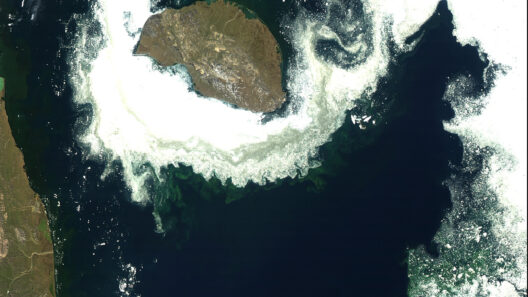
Organic pollutants include a range of harmful substances such as pharmaceuticals, personal care products, and agricultural runoff, which find their way into marine environments through various pathways. These organic compounds can alter the biogeochemical processes that govern carbon cycling in oceans. For instance, increased nutrient runoff can lead to algal blooms, which deplete oxygen in the water and create dead zones where marine life cannot thrive. When these zones grow, the ocean’s capacity for carbon sequestration diminishes, further accelerating climate change.
Plastic pollution, which has garnered increasing attention in recent years, presents an entirely different set of challenges. Plastics do not biodegrade; instead, they break down into microplastics, which permeate the ocean and enter the food chain. When marine organisms ingest these microplastics, the toxins they carry can bioaccumulate, leading to adverse effects that ripple through the ecosystem. Additionally, the degradation of plastics can release greenhouse gases such as methane and ethylene, contributing directly to global warming.
Transitioning from the types of pollutants to their climatic effects requires an understanding of the ocean as a carbon sink. Approximately 30% of the carbon dioxide produced by human activities is absorbed by the oceans, significantly mitigating the impact of greenhouse gases in the atmosphere. However, as pollution infiltrates marine environments, the effectiveness of oceans as carbon sinks diminishes. Changes in ocean chemistry, such as ocean acidification resulting from increased CO2 levels, can hinder phytoplankton’s ability to convert carbon dioxide into organic matter, thereby reducing overall carbon sequestration.
The phenomenon of ocean acidification also leads to detrimental effects on marine biodiversity, particularly among calcifying organisms like corals and shellfish. The weakening of these species destabilizes marine ecosystems, which in turn compromises the ocean’s role in the global carbon cycle. Coral reefs are often referred to as the “rainforests of the sea,” and their degradation has implications not just for marine life, but also for coastal communities that rely on these ecosystems for food, tourism, and protection from storm surges.
Beyond direct effects on carbon sequestration, pollution also influences weather patterns and ocean currents. The absorption of pollutants changes water temperatures and salinity, which can alter the delicate balance of currents that regulate global climate. For instance, the Gulf Stream, a vital ocean current, is sensitive to changes in temperature and salinity. Disruption of this current could have catastrophic consequences for weather patterns, potentially leading to more extreme weather events, rising sea levels, and altered precipitation patterns.
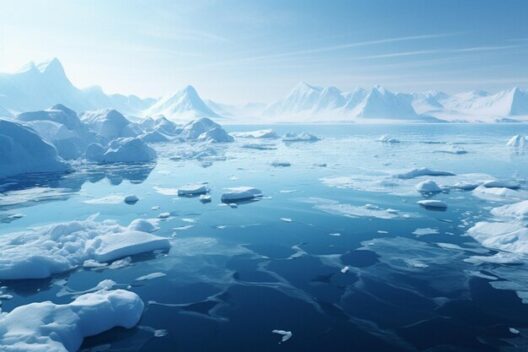
Moreover, warming ocean temperatures contribute to the melting of polar ice caps and glaciers. This melting not only raises sea levels but also releases additional freshwater into the oceans, further disrupting currents and creating a feedback loop that accelerates climate change. As polar ice melts, the reflective albedo effect diminishes, allowing more solar radiation to be absorbed by the earth. This exacerbates global warming, creating a concerning cycle of cause and effect.
Efforts to mitigate the impacts of ocean pollution on climate change must be multifaceted. They require international cooperation, stricter regulations on industrial discharges, sustainable agricultural practices, and enhanced waste management systems that reduce plastic use. Additionally, public awareness campaigns aimed at educating individuals about their role in ocean health can foster grassroots movements that demand accountability from corporations and governments alike.
In conclusion, understanding the nexus between ocean pollution and global warming is vital for devising strategies to combat climate change. The impacts of pollutants extend far beyond the immediate vicinity of our shorelines; they reverberate throughout ocean ecosystems, atmospheric conditions, and global weather patterns. Protecting our oceans is not just an environmental imperative, but a necessity for the future of our planet. The choices we make today will resonate through future generations, underscoring the urgent need for collective action in safeguarding the health of our oceans and, by extension, our climate.