
Global warming, a pressing concern of our era, wields profound effects on ecosystems across the globe. The intricate tapestry of life on Earth is woven with delicate threads of interdependence. Every organism, habitat, and climatic condition influences the others in a cascading sequence, akin to a domino effect. To understand the repercussions of global warming, one must recognize how the delicate balances of ecosystems are thrown into disarray, leading to far-reaching consequences for biodiversity, habitat integrity, and planetary health.
The effects of rising global temperatures on ecosystems are manifold. As temperatures ascend, they alter weather patterns, which in turn affect the availability of resources necessary for life. For instance, increased temperatures lead to evaporation, causing droughts in certain regions while inundating others with unprecedented rainfall. These shifts create challenges for flora and fauna alike. Many species, unable to adapt quickly to the changing conditions, face decline or extinction.
One of the most significant impacts of global warming is on biodiversity. Ecosystems provide the backbone for biodiversity; they are the arenas where countless species interact. However, this rich tapestry is under siege. Habitat loss, coupled with shifting climatic conditions, forces many species to migrate in search of more suitable environments. For example, coral reefs, often referred to as the “rainforests of the sea,” are experiencing widespread bleaching due to rising sea temperatures. When water temperatures increase even slightly, it disrupts the symbiotic relationship between corals and the algae they rely on for nutrients. The subsequent decline in coral health not only threatens the species that inhabit these ecosystems but also the myriad of organisms that depend on corals for shelter and food.
As organisms migrate, the interconnectedness of ecosystems is disrupted. Predators, prey, and plants may find themselves in a complex web of change that can lead to overpopulation in some areas and devastating scarcity in others. For instance, as certain fish species migrate to cooler waters, their predators may follow suit, leading to imbalances that can cascade through aquatic food chains. Increased predation or competition can result in decreased populations of native species, further eroding the biodiversity that is crucial for ecosystem resilience.
Moreover, global warming accelerates the extinction of species that are unable to adapt or relocate. The IUCN Red List of Threatened Species highlights a significant uptick in species classified as vulnerable or endangered. Amphibians, often considered indicators of environmental health, are particularly at risk as changing temperatures affect their reproductive cycles and habitat availability. The loss of a single species can trigger a series of repercussions, affecting food webs and leading to instability in ecosystem functions.
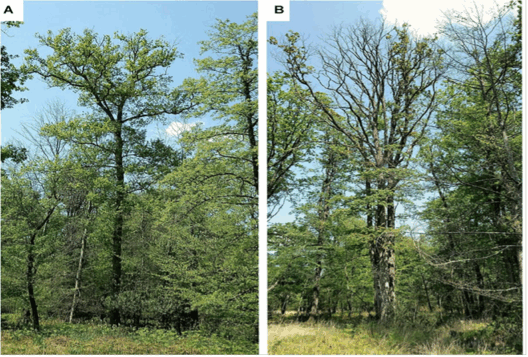
In addition to direct impacts on species, global warming alters habitat structures. Forests, grasslands, and wetlands each play critical roles in carbon sequestration, water filtration, and providing habitat. However, as temperatures rise and weather patterns shift, these habitats face threats from wildfires, invasive species, and altered hydrology. For instance, the proliferation of invasive species is often exacerbated by climate change, as warmer temperatures create favorable conditions for their spread. In many cases, invasive species outcompete native flora and fauna, leading to reduced biodiversity and altered ecosystem functions.
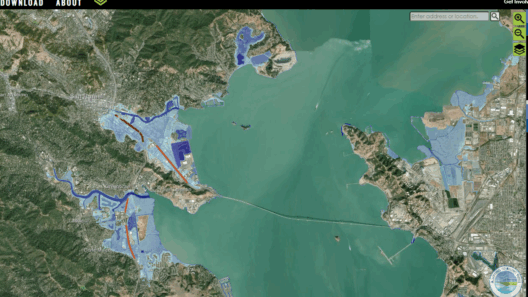
The domino effect of climate change also manifests in the increasing frequency and severity of extreme weather events, such as hurricanes, droughts, and floods. These events can devastate habitats, displace species, and disrupt ecological interactions. For instance, coastal ecosystems, such as mangroves and salt marshes, which provide essential services like coastal protection and carbon storage, are particularly vulnerable. Rising sea levels and increased storm intensity can erode these vital buffers, leading to habitat loss and diminished ecosystem function.
The implications of these changes extend beyond mere ecological considerations. They reverberate into socio-economic realms, affecting food security, water availability, and human health. Communities dependent on natural resources are often the first to experience the consequences of ecosystem degradation. Fishermen may find their catch dwindling as fish stocks decline; farmers may struggle to ensure stable yields in the face of unpredictable weather. This interconnectivity highlights the importance of addressing global warming not only as an environmental issue but as a socio-economic imperative.
In response to these phenomena, there is a growing recognition of the need for adaptive management strategies that bolster ecosystem resilience. Conservation efforts must evolve to encompass the changing dynamics wrought by global warming. Recognizing key areas for restoration, enhancing connectivity between habitats, and implementing sustainable resource management practices are paramount. By taking proactive measures to safeguard ecosystems, we can help maintain biodiversity and the myriad services that healthy ecosystems provide.
As the reality of global warming continues to unfold, it is essential to foster a shift in perspective. Understanding the domino effect of climate change can inspire proactive engagement in addressing these challenges. It is not merely an environmental crisis but a multifaceted issue that intertwines with human prosperity and survival. Mobilizing communities, promoting sustainable practices, and advocating for policies that prioritize ecological integrity are vital steps. Protecting ecosystems is not an isolated endeavor; it is a holistic approach that ensures the well-being of our planet and future generations.
In conclusion, the impacts of global warming on ecosystems are profound and multifaceted. The cascading effects of climate change highlight the interconnectedness of life on Earth. Consequently, urgent action is required to mitigate these effects, preserving the intricate balance of our ecosystems for years to come.