
As we navigate the complexities of our modern world, one cannot help but wonder: how do oil companies impact global warming? The exploration and extraction of fossil fuels have profound implications, not just for the environment, but for our collective future. This inquiry forms the basis of understanding the carbon cost of fossil fuels and their role in escalating climate change.
To begin with, it’s crucial to acknowledge the mechanics by which oil companies contribute to global warming. At the heart of this discussion lies the fundamental concept of greenhouse gas emissions, primarily carbon dioxide (CO2) and methane (CH4). When fossil fuels are burned for energy, they release significant amounts of these gases into the atmosphere, creating a cumulative effect that traps heat. This phenomenon is often likened to wrapping the Earth in a thick blanket, restricting the planet’s ability to radiate heat back into space.
The operations of oil companies play a pivotal role in this dynamic. From exploration to extraction, refining, and distribution, each stage emits carbon emissions. According to various environmental assessments, the fossil fuel industry accounts for a staggering percentage of total global emissions. This includes emissions from the combustion of oil in vehicles, the operation of machinery, and even the extraction processes themselves, which can release methane through venting or flaring.
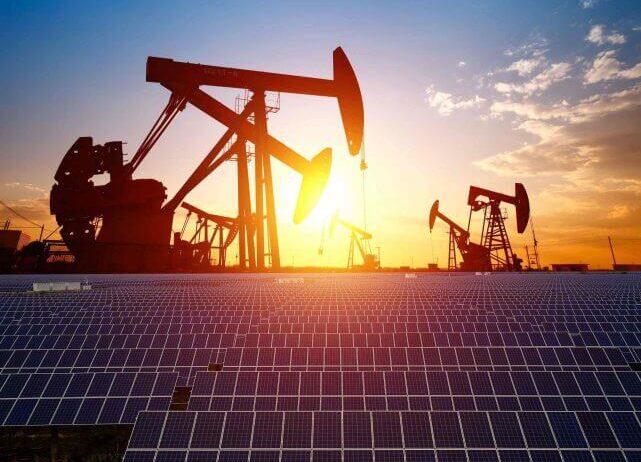
As consumers, we often forget that our demands for oil and gas drive these emissions. The cycle of consumption perpetuates a linear model that prioritizes short-term gains over long-term sustainability. But what if we turned the question on its head? What if we challenged our dependency on fossil fuels? Shifting to renewable energy sources like wind, solar, and hydroelectric power could dismantle the fossil fuel-led paradigm, leading to a more sustainable future.
Another critical factor to consider is the lifecycle emissions associated with fossil fuels. The environmental impacts do not stop at the extraction phase. For instance, refining processes consume vast amounts of energy and generate waste. Moreover, the transportation of oil from oil fields to refineries and then to consumers contributes additional emissions. The effects are compounded when we account for oil spills and other ecological disasters that arise from drilling activities. Such incidents not only devastate local ecosystems but also contribute to longer-term environmental challenges that exacerbate climate change.
Moreover, the global economy’s reliance on fossil fuels fosters a myriad of geopolitical issues. Countries rich in oil resources may experience political instability, internal conflict, and struggles for control over these valuable assets. This instability can lead to further environmental degradation as companies exploit resources without adequate environmental oversight. The carbon costs of fossil fuels extend beyond just atmospheric emissions; they infiltrate social structures and can lead to dire consequences for vulnerable communities.
As we investigate further, we must also acknowledge the concept of ‘carbon footprints’. It is essential to understand that fossil fuel consumption contributes to individual and corporate carbon footprints alike. For instance, the average car emits approximately 4.6 metric tons of CO2 per year. Multiply this by millions of vehicles globally, and the results are staggering. Yet, it isn’t merely the emissions we emit through daily transportation, but also the inherent emissions linked to our consumption of goods, which are often transported using fossil fuel-based logistics.
What can individuals do in the face of such immense corporate power? This question brings us to the role of consumer choice. In a world increasingly aware of the implications of climate change, consumers possess the ability to influence corporate practices. Supporting businesses that prioritize sustainable practices or investing in renewable energy can starve the fossil fuel industry of its influence. What if every consumer chose to reduce their fossil fuel dependence by utilizing public transport, carpooling, or adopting electric vehicles? Such collective actions could incite substantial changes, making corporations rethink their strategies.
The stakes in this fight against climate change are immensely high. Not only do fossil fuel emissions aggravate global warming, they provoke extreme weather events, rising sea levels, and critical obstacles in biodiversity conservation. The cumulative impact of these environmental changes threatens both human health and ecosystems. The future of global warming hinges precariously on our current choices regarding energy consumption.
The challenge is thus laid bare: can we pivot from an oil-dependent society to one that embraces sustainable energy? Transitioning requires systemic shifts in policy, corporate practices, and individual behavior. Governments around the world are now recognizing the necessity of implementing stringent emissions regulations, investing in renewable technologies, and fostering international cooperation to combat climate change. However, these strategies will not yield results overnight. It will take concerted action from every sector of society to mitigate the expansive footprints left by fossil fuels.
In conclusion, the carbon cost of fossil fuels is multifaceted, surpassing simple emissions statistics to embody economic, social, and environmental challenges. Oil companies significantly impact global warming, but human agency can hone the path toward a cleaner, more sustainable future. As we ponder the implications of our energy choices, we must ask ourselves the pivotal question once more: Are we ready to challenge our reliance on fossil fuels to safeguard the planet for future generations?