
Global warming stands as one of the most formidable challenges of our time, primarily driven by industrial activities that emit greenhouse gases. Industries, with their vast production processes and energy demands, occupy a central role in this environmental dilemma. The anthropogenic impacts associated with industrialization are profound, affecting both local ecosystems and the planet’s climate systems at large. Understanding how industries fuel global warming necessitates an exploration of their operational modalities, emissions profiles, regulatory frameworks, and potential pathways towards sustainability.
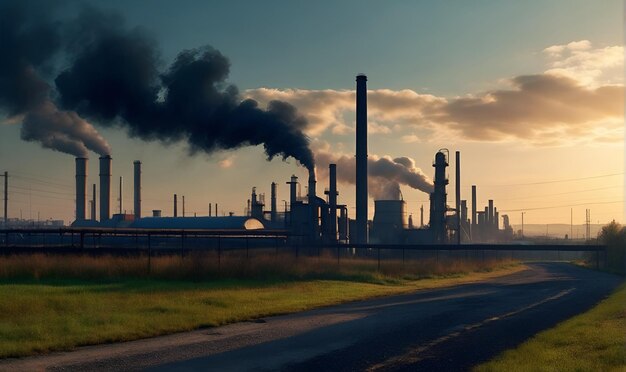
At the heart of industrial emissions lie carbon dioxide (CO2), methane (CH4), nitrous oxide (N2O), and fluorinated gases — all potent greenhouse gases. CO2, primarily emitted from the combustion of fossil fuels for electricity and heat, accounts for the most significant share of greenhouse gas emissions from industrial operations. Industries such as fossil fuel extraction, cement manufacturing, and steel production are known to contribute disproportionately to these emissions. The interplay between energy consumption and industrial output creates a precarious balance where higher production often translates to escalated emissions.
The fossil fuel industry emerges as a key player in the narrative of global warming. Oil and gas extraction processes are physically aggressive and generate substantial CO2 emissions through flaring and venting. Additionally, refining activities release volatile organic compounds (VOCs) into the atmosphere, exacerbating air quality degradation. Consideration of extraction methods, such as hydraulic fracturing or offshore drilling, unveils further environmental degradation, from habitat disruption to potential oil spills, where such accidents introduce additional pollutants into terrestrial and marine ecosystems.
Cement production is another significant contributor to global warming. Responsible for approximately 8% of global CO2 emissions, this industry is not only energy-intensive but also produces CO2 as a byproduct of the chemical transformation of limestone into lime. The sheer volume of cement produced yearly — a staggering 4 billion tons — serves as a reminder of the alarming scale at which industrial activities operate. Furthermore, the cement industry’s reliance on fossil fuels for processes such as calcination draws an inextricable link between construction practices and emissions profiles.
Steel manufacturing is equally notorious for its carbon footprint. This industry frequently employs blast furnaces, a method that generates significant greenhouse gases throughout the steel-making process. Given steel’s ubiquity in infrastructure, automotive, and appliance manufacturing, any sustainability initiative that aims to reduce emissions must address the challenges inherent in producing steel. Innovations in smelting technologies, paired with renewable energy use, represent not just opportunities for emissions reductions but also economic growth potential in the evolving green economy.
The agricultural sector, often overshadowed by heavy industries in discussions of climate change, is intrinsically linked to industrial processes. While agricultural emissions tend to originate from livestock methane and nitrous oxide from fertilizers, the industry’s relationship with foregone ecosystems plays a crucial role. Deforestation for cattle ranching or crop production introduces yet another layer of complexity to the discourse on greenhouse gases; trees previously sequestering carbon are removed, contributing to a net increase in atmospheric CO2 levels.
Regulatory frameworks exert a vital influence over industrial emissions. International accords, like the Paris Agreement, set ambitious targets for emission reductions; however, the effectiveness of these agreements relies on individual government actions and compliance from industries. Inadequate enforcement of emissions standards and loopholes in regional regulations can allow major polluters to evade accountability. Moreover, industries often lobby against stringent regulations under economic pretenses, arguing that compliance could stymie growth and productivity.
Transitioning towards a more sustainable industrial paradigm necessitates the adoption of cleaner technologies and practices. The integration of renewable energy sources — such as wind, solar, and hydroelectric power — can mitigate the reliance on fossil fuels. The adoption of energy-efficient practices and technologies not only helps lower emissions but can also result in long-term cost savings for industries. Concepts such as circular economy and resource recovery emphasize the importance of reusing materials, thus minimizing waste and reducing the need for new raw materials, which often come at significant environmental costs.
Moreover, corporations must foster a culture of sustainability within their operations. This can involve incentivizing eco-friendly practices among employees or investing in training programs that emphasize environmental stewardship. Transparency plays a vital role in enhancing corporate accountability, where organizations that openly disclose their emissions data can invite public scrutiny and encourage shifts toward cleaner alternatives.
In conclusion, examining industrial contributions to global warming reveals an intricate tapestry of interconnected factors that work in tandem to elevate greenhouse gas concentrations. From fossil fuel extraction and cement production to steel manufacturing and agriculture, the various sectors of industry exhibit a pronounced responsibility for environmental degradation. To mitigate climate change effectively, a paradigm shift is imperative – one that embraces sustainable practices, innovations, and regulatory adherence. Acknowledging the consequences of industrial emissions and advocating for systemic changes positions society to combat global warming effectively. As curious minds seek solutions, the path forward must involve collaboration, technological advancements, and a renewed commitment to preserving our planet for future generations.