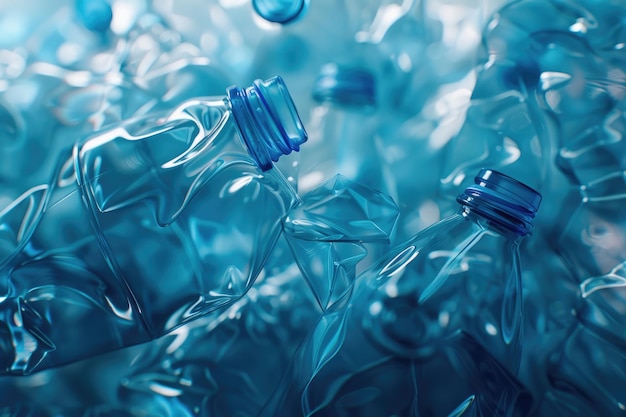

Plastic bags and bottles are ubiquitous in our daily lives, serving countless purposes from convenience to packaging. However, their contribution to global warming is a critical issue that’s often overlooked. To truly understand their impact, we must delve deeper than surface waste management practices. Let’s unpack the intricate relationship between these plastic products and climate change, revealing the myriad ways they exacerbate this existential crisis.
The production of plastic begins with fossil fuels—primarily natural gas and petroleum. During the plastic manufacturing process, these resources are heated and transformed into ethylene and propylene, the building blocks of plastic. The extraction and refinement of these fossil fuels alone are colossal sources of greenhouse gas (GHG) emissions. Methane, a potent GHG, is released during drilling and transport; this inefficient extraction process contributes significantly to climate change long before the plastic even reaches consumers.
Once produced, plastic bags and bottles have a notoriously short lifespan. They are designed for disposable convenience, serving their purpose in mere moments. Yet, their degradation process extends over centuries, leaving immense environmental footprints. When these plastics are discarded improperly, they often end up in landfills, where they can emit methane during decomposition—a gas that is approximately 25 times more effective than carbon dioxide at trapping heat in the atmosphere over a 100-year period.
However, the environmental consequences do not end with landfill emissions. Many plastic items find their way into oceans, exacerbating the already critical state of marine ecosystems. As plastics break down, they release toxic substances into the water, which can hinder the growth of phytoplankton—a vital organism in the Earth’s climate regulation. Phytoplankton absorbs about 50% of the world’s oxygen and plays a significant role in carbon sequestration, and their decline may ultimately weaken this natural carbon sink.
The detrimental life cycle of plastics further extends into the recycling process, or rather the shortcomings of it. The recycling of plastic is fraught with challenges, chiefly because a substantial proportion of plastic is not recyclable or lacks sufficient material quality to make recycling economically viable. In 2020, it was reported that only about 9% of plastics ever produced have been recycled. The rest accumulates in landfills, oceans, and incinerators, where they can still release GHGs. Thus, even well-intentioned recycling efforts often inadvertently contribute to the ongoing cycle of pollution.
Moreover, the incineration of plastic waste, once deemed a preferable alternative to landfilling, has its own set of climate penalties. Burning plastic releases not only carbon dioxide but also a host of other harmful pollutants, including dioxins and furans, which are particularly damaging to both human health and the environment. The energy produced through incineration might seem beneficial, yet its contribution to atmospheric pollution accelerates the warming of the planet with alarming speed.
It is essential to consider the consumer impulse that fuels plastic production. The convenience of single-use products has created a culture of disposability. The manufacturing longevity of plastics, combined with rampant consumption, fuels a relentless cycle of production and waste that directly correlates with the rising GHG emissions. Addressing our addiction to convenience is crucial to mitigating the impacts of plastic on climate change.
Transitioning to sustainable alternatives can appear daunting—yet, it is a necessary imperative. Biodegradable materials, reusable shopping bags, and refillable containers pose promising solutions. Adopting practices that embrace circular economies can significantly reduce dependency on fossil fuel-derived plastics. Shifting our perspective on waste, viewing it as a resource rather than a burden, can foster innovative strategies that prolong product life cycles and lessen environmental impacts.
Furthermore, public policy plays a pivotal role in addressing plastic’s contribution to global warming. Governments must enact regulations that limit plastic production, enhance waste management systems, and promote research into sustainable materials. With increased awareness around climate change, consumers can advocate for policies that align with an environmental ethos, transitioning towards a sustainable future.
By collectively fostering a deeper understanding and awareness of the plastic lifecycle, individuals and communities can become powerful allies in the fight against global warming. The urgency of climate change compels us to alter our consumption habits and reconsider how we approach resource management. Each step taken towards reducing plastic reliance is not merely a trivial decision; it represents a crucial piece of the puzzle in combating climate change.
The implications of plastic pollution extend far beyond immediate environmental concerns. As the planet continues to warm, the repercussions of our reliance on these materials could touch every corner of life—agriculture, health, and the resilience of ecosystems themselves. Rising temperatures, shifting weather patterns, and deteriorating air and water quality intertwine with plastic pollution, amplifying the climate crisis that endangers all species on Earth.
In conclusion, while plastic bags and bottles are integral to modern society, their contribution to global warming is insidious and significant. By understanding the particulate intricacies of their life cycle and advocating for sustainable alternatives, we can shift our perspective from viewing plastic as merely waste to recognizing it as a pressing environmental threat. This shift in perspective is necessary if we are to dismantle the intricate web of consumption that drives climate change.