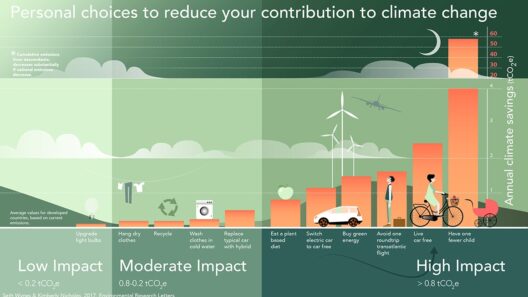



As we traverse the complexities of climate change, one pressing question often emerges: how can solar panels, seemingly simple collections of photovoltaic cells, significantly bolster our efforts against global warming? While the concept of harnessing sunlight may appear straightforward, the intricacies involved in solar energy production reveal a profound impact on mitigating environmental degradation.
Solar panels operate on a fundamental principle—conversion of sunlight into electricity. The photovoltaic effect allows solar cells to transform photons, the particles of light, into usable power. This process not only provides energy but also circumvents the emissions associated with fossil fuel consumption. By adopting solar technology, we can initiate a virtuous cycle, reducing our dependence on carbon-heavy energy sources like coal and natural gas.
The burning of fossil fuels is one of the primary contributors to greenhouse gas emissions. Every year, billions of tons of carbon dioxide (CO2) and other pollutants are released into the atmosphere, trapping heat and exacerbating climate change. The energy generated from solar panels is devoid of such detrimental emissions during operation. Remarkably, the life-cycle emissions of solar energy—when factoring in production, installation, and disposal—are substantially lower compared to traditional energy sources. Thus, a systematic shift towards solar energy could lead to a dramatic decrease in our carbon footprint.
Moreover, the deployment of solar panels can provide an economic counterweight to the volatility associated with fossil fuel markets. Energy derived from solar power is not subject to the same price fluctuations as oil or coal, which are influenced by geopolitical tensions and market demand. This stability offers consumers and businesses a predictable energy cost, freeing them from the anxieties tied to the capricious nature of fossil fuel pricing.
In addition, solar power can catalyze local job creation, further embedding a sustainable energy economy. The burgeoning solar industry requires a skilled workforce for manufacturing, installation, and maintenance. By investing in solar technology, communities can foster employment opportunities while simultaneously addressing climate change. This dual benefit is imperative in a world grappling with economic and environmental challenges.
But there is a conundrum that could hinder the advancement of solar energy solutions: how do we ensure solar panels are produced sustainably? The minerals and materials required for manufacturing solar cells, such as silicon, silver, and lithium, possess their own ecological footprints. Mining operations can lead to significant environmental degradation, which raises critical questions about the sustainability of renewable technologies.
This challenge demands innovative approaches to material sourcing and panel production. Efforts are underway to bolster recycling initiatives, minimizing waste and recovering valuable materials from old solar panels. The development of alternative technologies, such as thin-film solar cells that utilize less material, also shows promise. Engaging in circular economy principles could mitigate the environmental impact of solar panel production, making this renewable option even more attractive.
Furthermore, solar power enhances energy resilience. Distributed generation—where energy is produced closer to where it is consumed—decreases the vulnerability of energy systems to central disruptions. This decentralized approach fosters energy independence and fortifies communities against the impacts of climate change, such as extreme weather events that threaten existing infrastructure.
The adoption of solar panels is not without obstacles, though. One of the prevailing challenges is the upfront cost of installation. While prices have decreased significantly over the past decade, the initial investment can still deter potential adopters. Financial incentives, government subsidies, and lease programs can alleviate these costs, making solar energy accessible to a broader demographic. Such support is pivotal in transforming solar energy from a niche market into a mainstream energy solution.
The integration of solar technology also faces limitations related to space and geographical factors. Not every location is ideally suited for solar panels; factors such as sunlight availability, land usage, and zoning laws can impact feasibility. Creative solutions, such as solar canopies, roof-mounted panels, or photovoltaic pavement, present alternative avenues for energy generation. Leveraging innovative strategies ensures that solar energy can be harnessed in various settings, diversifying its applicability.
In conclusion, solar panels represent one of the most efficacious tools in our arsenal for combating global warming. By converting sunlight into clean energy, diminishing greenhouse gas emissions, and fostering economic growth, solar technology offers a multidimensional solution to our climate crisis. The journey toward a sustainable future will inevitably encounter challenges, yet the opportunity to harness the power of the sun is too compelling to ignore. Harnessing this abundant resource is akin to planting seeds for future generations. Will we seize this opportunity to cultivate a greener, more sustainable world for all?