


Understanding the carbon footprint of livestock, particularly cattle, is pivotal in addressing global warming. Cows, emblematic of agrarian economies, are renowned for their significant contributions to greenhouse gas emissions. This phenomenon calls for a paradigm shift in how we perceive and manage cattle farming, taking into account the broader ecological ramifications of livestock production.
The carbon footprint of a cow encompasses various aspects of its life cycle, spanning breeding, feeding, housing, and waste management. Each phase contributes uniquely to the total emissions attributed to an individual cow, subsequently affecting the environment. To comprehend the full extent of these emissions, we must delve into the hidden layers of livestock management and its interplay with climate change.
Firstly, consider the breeding and lifecycle of cattle. A cow typically emits carbon dioxide (CO2), methane (CH4), and nitrous oxide (N2O), greenhouse gases that play a leading role in atmospheric warming. Methane is particularly potent, with a global warming potential many times greater than CO2. This gas is a byproduct of enteric fermentation—a digestive process in ruminants that decomposes feed in their stomachs. Quantifying this methane production is crucial, as it can account for up to 30% of a typical cow’s carbon footprint.
The role of feed must not be overlooked. The cultivation, processing, and transportation of feed—such as grains and forage—generate significant emissions. The sustainability of feed sources greatly influences the carbon output. For instance, concentrate feed, often high in soy, leads to deforestation and land conversion, which magnifies the environmental burden. By shifting to regenerative practices, such as rotational grazing, farms can potentially enhance their carbon sequestration abilities and lower the associated emissions.
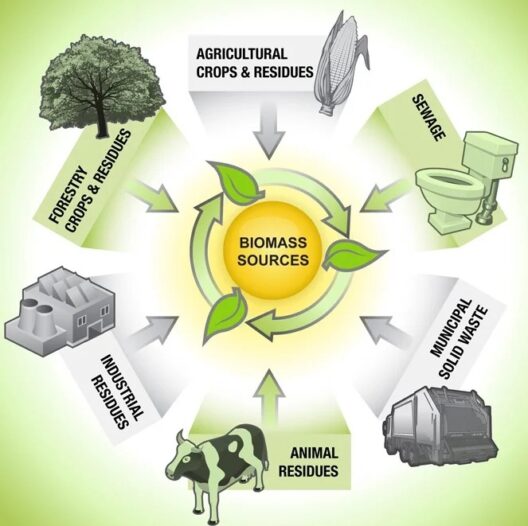
Furthermore, housing conditions play an intricate role in determining a cow’s carbon footprint. Conditions that prioritize animal welfare can simultaneously reduce emissions. Inadequate housing can result in stress and inefficient digestion, leading to higher levels of methane production. On the contrary, well-designed barns equipped with systems to manage manure effectively can mitigate emissions. Manure management itself is a considerable source of nitrogen emissions, especially when not handled appropriately. Composting and anaerobic digestion can convert waste into bioenergy while curtailing methane release.
Inextricably linked to production methods is the concept of ‘food miles’—the distances that food travels before reaching consumers. Localizing supply chains can mitigate emissions. When beef products are sourced from nearby farms rather than being transported over long distances, the transportation-related carbon footprint diminishes, making a case for local consumption as a viable alternative.
Adopting a plant-based diet can further diminish the overall demand for meat production and, consequently, reduce livestock-related emissions. By consciously choosing to consume less beef and more plant-based options, individuals can significantly impact their carbon footprint. The act of reducing meat consumption not only lessens methane emanations from cattle, but it also decreases the impacts associated with feed production.
The interplay between the consumer and producer highlights the importance of informed choices. Transparency in labeling is crucial; consumers should be aware of the environmental implications of their dietary choices. Labels indicating the carbon footprint of meat products could empower consumers, allowing them to act with greater awareness. This “carbon labeling” could cultivate a new market in which sustainably-produced, lower-footprint products gain favor among environmentally-conscious consumers.
Moreover, the role of innovative technology cannot be dismissed. Advancements in agricultural technology, such as precision farming and genetic improvements, can revolutionize livestock management practices. These technologies facilitate more efficient feed conversion, monitor greenhouse gas emissions in real-time, and enhance breeding selecion for lower-emission traits. The synergy between traditional practices and modern technology may hold the key to sustainable livestock production.
As we contemplate the carbon footprint of our cattle, it is imperative to also engage in the wider discussion about policy and regulation. Governmental frameworks, such as the introduction of carbon taxes or incentives for sustainable practices, can propel the agricultural sector toward greener practices. Policies that promote alternative protein sources, incentivize low-emission feeding regimes, or subsidize sustainable agriculture can shift the paradigm significantly.
Education plays a critical role in fostering a deeper understanding of livestock emissions. Integrating agricultural science into educational curriculums can cultivate the next generation of farmers equipped with knowledge about sustainable practices. Community-based programs that disseminate information regarding efficient livestock management methods can empower local farmers to innovate for reduced emissions.
Ultimately, fostering a sustainable future demands that we confront the complexities surrounding livestock and their carbon footprints. By shifting our perspective, from viewing cattle exclusively as agricultural assets to recognizing their environmental impacts, we can begin to bridge the gap between agriculture and sustainability. The narrative surrounding cows must evolve: from being simply a source of meat and milk, they must be recognized as integral players in our ecological systems. This reframing is not merely a theoretical exercise; it is a call to action that can lead to significant environmental benefits.
In conclusion, the journey towards understanding and mitigating the carbon footprint of cows is a multifaceted endeavor, rooted in conscious choices, innovative practices, and systemic changes. Only by embracing this complexity can we hope to make a lasting impact on the fight against climate change, securing a sustainable future for generations to come.