

Food and diet represent fundamental aspects of human life, transcending mere sustenance to influence health, culture, and even the environment. Understanding the multifaceted nature of food and diet can empower individuals not only to make informed choices but also to positively impact their well-being and the planet.
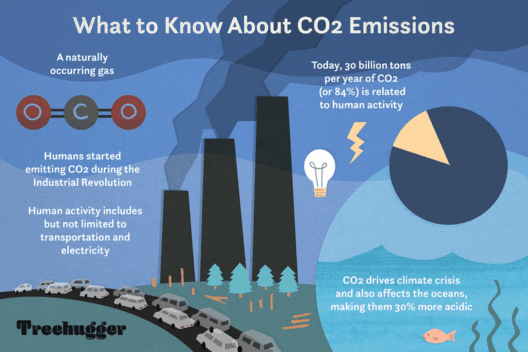
The classification of diets can be vast, reflecting diverse cultural practices, nutritional philosophies, and health objectives. Common types include vegetarian, vegan, paleo, ketogenic, and Mediterranean diets, each with distinct principles and health implications. The vegetarian diet, for instance, eschews meat while permitting dairy and eggs, aligning itself with ethical considerations regarding animal welfare. In contrast, a vegan diet eliminates all animal products, often appealing to those advocating for environmental sustainability, given that livestock farming is a significant contributor to greenhouse gas emissions.
On the other hand, the paleo diet promotes the consumption of foods presumed to be eaten by early humans. This diet emphasizes whole foods, such as lean meats, fish, fruits, vegetables, nuts, and seeds, while disallowing processed foods, grains, and legumes. Proponents claim that this diet aligns with our genetic makeup, potentially enhancing health and fitness. However, its strict nature may deter some individuals due to its exclusion of various food groups.
The ketogenic diet, characterized by a high-fat, low-carbohydrate intake, has gained traction as a method for weight loss and management of certain medical conditions. By entering a state of ketosis, the body relies on fat for energy instead of carbohydrates, producing ketones that can serve as an alternative energy source. Nevertheless, adherence to such a restrictive diet can be challenging, leading to potential nutritional deficiencies if not approached judiciously.
In contrast, the Mediterranean diet emphasizes balance and moderation, integrating a broad spectrum of foods while centering on plant-based ingredients. Rich in healthy fats, particularly from olive oil, this diet also incorporates whole grains, fish, and a variety of fruits and vegetables. This diet has been linked to numerous health benefits, including reduced cardiovascular risk and enhanced longevity, making it a favored lifestyle choice among many.
Environmental considerations play an increasingly pivotal role in our dietary choices. The ecological footprint of food production varies dramatically based on agricultural practices, transportation, and packaging. For example, the production of red meat generates higher greenhouse gas emissions compared to plant-based foods. As awareness of climate change escalates, more people are gravitating towards diets rich in plant-based foods. Not only do these diets minimize environmental impact, but they also offer myriad health benefits associated with the consumption of fruits, vegetables, whole grains, and legumes.
Intermittent fasting has emerged as another dietary trend, focusing more on when to eat rather than what to eat. This approach involves cycling between periods of eating and fasting, which can lead to cellular repair, improved metabolic health, and potentially enhanced longevity. While studies continue to explore the merits and drawbacks of intermittent fasting, it has resonated with those seeking flexibility in their eating patterns without the need for strict dietary restrictions.
Food literacy is crucial in comprehending the impact of diet on health and the environment. This involves understanding nutrition, how to read food labels, and recognizing the origins of food products. With the rise of ultra-processed foods, containing additives and preservatives that can affect health, awareness is key. Gaining knowledge about sustainable food sources and advocating for local farmers can foster a deeper connection to food and encourage more responsible consumption practices.
The preparation and presentation of food also hold significant value in a dietary context. Culinary arts can elevate simple ingredients into nourishing meals that promote well-being. Creative methods of cooking, such as steaming, grilling, and sautéing, not only preserve essential nutrients but also enhance flavors without the need for excessive fats or sugars. Furthermore, discussing food in social contexts fosters communal bonds, as shared meals can transcend cultural barriers, creating shared experiences that enrich human connection.
Food waste remains a pressing concern in contemporary society, where up to one-third of all food produced for human consumption is lost or wasted. This not only exacerbates food insecurity but also contributes to further resource depletion and greenhouse gas emissions as rotting food in landfills emits methane. By adopting strategies such as meal planning, composting, and using leftovers creatively, individuals can mitigate their both food waste and their environmental impact. Organizations and initiatives are increasingly focusing on food recovery programs to redistribute excess food to those in need while simultaneously diminishing waste.
In conclusion, the exploration of food and diet encompasses a broad spectrum of considerations that extend well beyond the plate. By understanding the implications of our dietary choices on both personal health and environmental sustainability, individuals can make informed decisions that reflect their values and contribute to a healthier planet. The journey towards conscious eating is ongoing and multifaceted, inviting continuous learning and adaptation in response to new insights and discoveries in the realms of nutrition, ecology, and community. As such, cultivating an awareness of the interconnectedness of food, health, and the environment can yield transformative benefits for individuals and society as a whole.