

Rainforests, often dubbed the “lungs of the Earth,” are integral to maintaining the delicate balance of our global ecosystem. Their rich biodiversity and significant carbon sequestration capabilities place them at the forefront of discussions about climate change and environmental conservation. Yet, as human activity accelerates, these vital ecosystems are increasingly under threat. The destruction of rainforests is not only a local concern; it reverberates globally, exacerbating the effects of global warming.
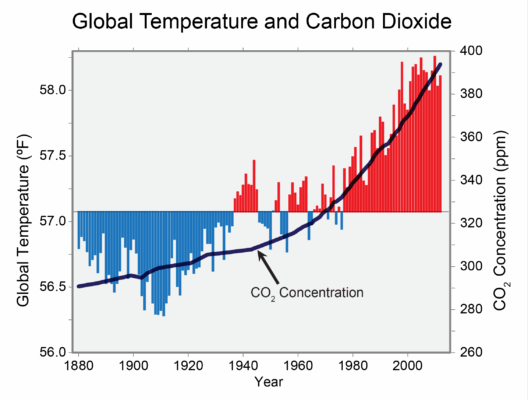
First, it is essential to understand the primary reasons behind the rampant deforestation of rainforests. Agricultural expansion, particularly for palm oil, soy, and cattle ranching, is a leading driver. The insatiable demand for these commodities compels corporations and smallholders alike to convert vast swathes of forested land into arable land. This transition is frequently executed through slash-and-burn techniques, which result in significant emissions of carbon dioxide (CO2) and other greenhouse gases.
Moreover, logging activities, both legal and illegal, further compounds the problem. The timber industry often targets trees that are centuries old, removing them along with their ability to store carbon. This extraction not only releases stored carbon but also diminishes the forest’s capacity to absorb atmospheric CO2. The consequences are dire: the loss of these natural carbon sinks accelerates global warming, pushing the planet closer to reaching critical temperature thresholds.
In addition to agriculture and logging, urbanization plays a substantial role in the degradation of rainforests. As populations burgeon, cities expand into previously wild territories, erasing natural habitats. Infrastructure projects, including roads, dams, and mining endeavors, not only disrupt ecosystems but also facilitate access to remote areas, making further deforestation more feasible.
The ramifications of rainforest destruction extend beyond carbon emissions. Rainforests are home to approximately 50% of the world’s biodiversity, and their obliteration poses an existential threat to countless species. Deforestation leads to habitat fragmentation, isolating populations and diminishing genetic diversity. This isolation can trigger a cascade of extinction events, disrupting entire ecosystems and their services, which include pollination, nutrient cycling, and disease regulation.
Beyond biodiversity loss, the implications of rainforest destruction on indigenous communities cannot be overlooked. Many of these communities have lived in harmony with their environments for centuries, relying on the forest for sustenance, shelter, and sacred cultural practices. The encroachment of agriculture and industry disrupts their way of life, sometimes leading to violent conflicts over land rights. As traditional knowledge and cultural practices diminish, so too does the potential for sustainable land management that has been perfected over generations.
Furthermore, the loss of rainforests contributes significantly to changes in local and global weather patterns. Rainforests play a critical role in the water cycle by producing moisture through transpiration, which then contributes to precipitation. Deforestation reduces this moisture, leading to drier conditions that can impact agriculture and drinking water supplies. In regions that rely on predictable weather patterns, such shifts can spell disaster, triggering droughts and affecting food security.
Another layer to the rainforest crisis is the economic perspective. While short-term gains from deforestation may seem appealing, they can lead to long-term economic instability. Forest ecosystems provide invaluable ecosystem services, including flood regulation, soil stabilization, and erosion control. When these services are compromised, the long-term costs of infrastructure damage and disaster recovery climb exponentially.
Protecting rainforests is not simply an environmental necessity; it is also a moral imperative. The disproportionate impacts of climate change and environmental degradation often hit the most vulnerable communities the hardest. Safeguarding these ecosystems can mitigate these effects, providing a buffer against the onslaught of climate-related disasters.
To combat rainforest destruction and its perilous consequences for global warming, comprehensive strategies must be employed. Sustainable land management practices can reconcile the need for agricultural expansion with environmental preservation. Agroforestry, for example, allows for the cultivation of crops alongside mature trees, promoting biodiversity while still providing livelihoods. Certification schemes that promote sustainable products can help consumers make informed choices, thereby driving demand for responsible practices.
Moreover, the enforcement of existing environmental regulations and the establishment of protected areas are vital. Conservation efforts must be fortified through international cooperation, legislative reforms, and community involvement. Grassroots movements can empower local populations to advocate for their rights and participate actively in conservation decisions.
Finally, education and awareness are fundamental in nurturing a global consciousness regarding the importance of rainforests. By informing individuals about the ecological and societal stakes, advocates can inspire collective action and foster a culture of environmental stewardship. The preservation of rainforests is intrinsically linked to the well-being of our planet and future generations; their fate is a reflection of our own.
In conclusion, the destruction of rainforests poses a multi-faceted challenge that intertwines environmental, economic, and social dimensions. The urgency to act cannot be overstated. As we face an escalating climate crisis, it is imperative to recognize that safeguarding rainforests is not an option; it is essential to our shared future.