
The agrarian landscape is often romanticized, a pastoral tableau of verdant fields and bountiful harvests. However, beneath this picturesque veneer lies a sobering reality: the farming industry is a significant contributor to climate change. As the global population burgeons, so too does the demand for food, and the methods employed to satisfy this hunger amplify an alarming environmental crisis. Understanding the “hidden cost” of our food requires a thorough examination of agricultural practices, their carbon footprint, and the systemic changes needed to forge a sustainable future.
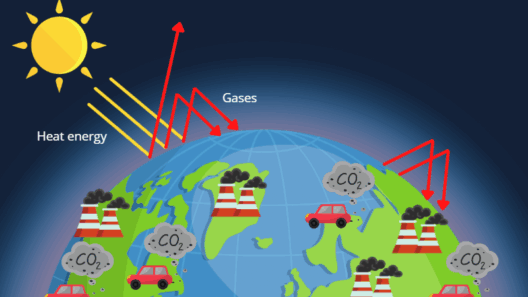
To appreciate the implications of farming on climate change, one must first comprehend the myriad ways in which agriculture contributes to greenhouse gas emissions. The most notorious of these include carbon dioxide (CO2), methane (CH4), and nitrous oxide (N2O). The rise of industrialized farming has engendered practices that exacerbate these emissions. For instance, deforestation for agricultural expansion releases significant amounts of CO2 that would otherwise be sequestered in forested ecosystems. The loss of trees not only diminishes biodiversity but also amplifies the concentration of greenhouse gases in the atmosphere.
Moreover, livestock farming is responsible for a considerable share of methane emissions. Ruminant animals, such as cows and sheep, produce methane during digestion through a process known as enteric fermentation. This gas is over 25 times more potent than CO2 in terms of its heat-trapping capabilities over a 100-year period. The sheer scale of animal farming acts as a double-edged sword; while it meets dietary needs, it simultaneously propels us toward catastrophic climate scenarios.
In addition to methane, another alarming source of emissions in modern agriculture is the use of synthetic fertilizers. These fertilizers, while essential for enhancing crop yields, contribute to high levels of nitrous oxide, an even more potent greenhouse gas. The application of fertilizers is often excessive, leading to runoff that contaminates water systems and disrupts local ecosystems. This phenomenon not only threatens aquatic life but also highlights the precarious balance between feeding the planet and preserving its health.
Furthermore, the transportation of food from farm to table adds another layer to agriculture’s environmental toll. The globalized food system has fueled a reliance on long-distance transport, often involving refrigerated trucks and air freight, which are notorious for their high carbon emissions. The irony is palpable: efforts to procure fresh produce year-round often result in higher greenhouse gas outputs. Pursuing a more localized food system could mitigate these emissions, but it requires a paradigm shift in how we view and consume food.
The impact of climate change on agriculture, in turn, cannot be overlooked. Altered weather patterns, prolonged droughts, and erratic precipitation directly affect crop viability. As the climate grows increasingly unpredictable, food insecurity becomes a pressing concern. This creates a vicious cycle; agriculture contributes to climate change, but it also finds itself under siege by the very changes it has wrought. Consequently, farmers face the daunting task of adapting their practices to ensure resilience in the face of these changing conditions.
Pivotal to addressing these intertwined challenges is the adoption of sustainable farming practices. Agroecology, which promotes biodiversity, soil health, and self-sufficiency, offers promising avenues for reducing agriculture’s carbon footprint. By integrating cover cropping, crop rotation, and agroforestry, farmers can enhance soil fertility while simultaneously sequestering carbon. This holistic approach alleviates pressure on the environment and promotes ecological balance.
The burgeoning field of regenerative agriculture also deserves attention. By prioritizing practices that restore and rejuvenate ecosystems, regenerative methodologies can yield food while simultaneously enriching the soil and increasing biodiversity. As these practices gain traction, they
hold the potential to drastically reduce emissions and forge a pathway toward a more sustainable food system.
Consumer choices play an equally critical role in this equation. The increasing appetite for meat and dairy exacerbates environmental degradation. A shift toward plant-based eating can substantially reduce one’s carbon footprint. Diets rich in fruits, vegetables, grains, and legumes not only benefit personal health but also lessen the strain on our fragile ecosystems. By supporting local farmers, participating in community-supported agriculture (CSA), or choosing organic products, consumers can directly support practices that prioritize sustainability.
While the road to sustainable agriculture is fraught with challenges, the potential rewards are monumental. Transitioning to farming practices that mitigate climate impact does not only serve the environmental good; it also nurtures healthier communities. Realizing this transformative vision necessitates collective action from policymakers, farmers, and consumers alike.
Through education, open discourse, and engagement in sustainable initiatives, there lies an opportunity to confront the hidden costs of our food system. Climate change is no longer a distant specter; it is a present reality influencing every facet of life, including what we eat. Understanding and addressing the interplay between farming and climate change is essential for ensuring a livable future.
In conclusion, the hidden costs of our food extend beyond the price tag at the grocery store. Agriculture’s role in climate change is profound and multifaceted, encompassing emissions from various sources and the challenges posed by ecological disruption. By embracing sustainable practices and making informed choices, individuals possess the power to provoke meaningful change. The call to action is clear: prioritize a food system that respects the planet, ensuring its vitality for generations to come.