


As the specter of climate change looms larger, its multifaceted repercussions penetrate the fabric of societies across the globe. The term “communities in crisis” aptly encapsulates the predicament faced by various populations, confronting the stark realities of global warming. While the phenomenon may appear as a distant concern to some, the impacts are acutely felt by many. Disparate social structures are increasingly susceptible to the alterations wrought by climate change, demanding a closer examination of the ensuing consequences.
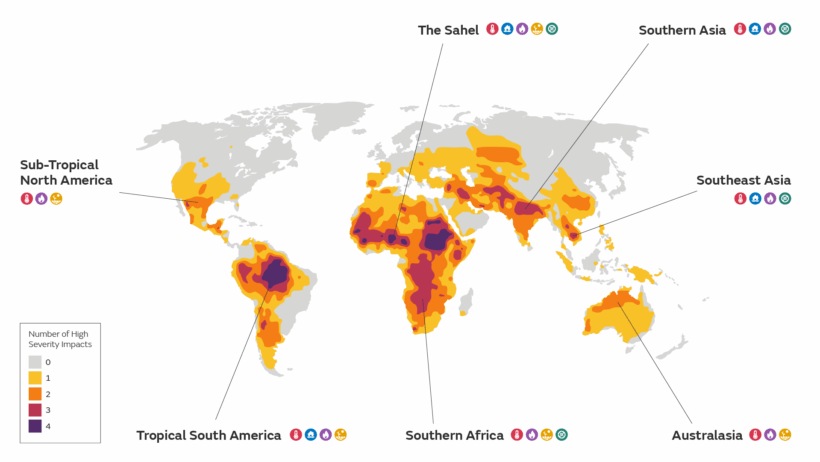
To begin with, the geographical disparity in climate-related challenges is striking. Coastal communities are among the most vulnerable, grappling with the looming threat of rising sea levels. Low-lying regions, such as parts of Bangladesh and the Caribbean, face unprecedented flooding events. Here, saltwater intrusion compromises agricultural land, exacerbating food insecurity and undermining livelihoods. The displacement of populations, commonly referred to as climate refugees, becomes an inevitable consequence. These individuals, often lacking in resources, find themselves in precarious situations, where adaptation becomes a daily struggle.
In stark contrast, arid regions around the globe face their own unique trials. The intensification of droughts strips away water security, instigating competition over dwindling resources. In sub-Saharan Africa, communities reliant on subsistence farming are experiencing severe agricultural decline due to erratic weather patterns. This shift not only threatens food production but also precipitates socio-economic instability. The hidden toll on mental health is substantial, as anxiety and despair take root in individuals facing the stark reality of their diminishing livelihoods.
Moreover, urban centers are not immune to the ramifications of climate change. Overcrowded cities, especially in developing nations, often suffer from inadequate infrastructure to deal with climate-induced extremes. Extreme heat events exacerbate health concerns, particularly among vulnerable populations, such as the elderly and those with pre-existing medical conditions. Urban heat islands—regions within cities that experience higher temperatures—illustrate how localized conditions can amplify the effects of global warming. As cities grapple with the dual challenges of rising temperatures and increased precipitation, public health systems strain under the pressure, often exposing societal inequities.
The intersectionality of climate change also highlights disparities along lines of race and class. Marginalized groups often bear the brunt of environmental degradation and climate impacts. In the United States, communities of color disproportionately reside in areas prone to pollution and flooding, while facing systemic barriers in accessing climate adaptation resources. This dynamic reinforces existing inequalities, where those least responsible for greenhouse gas emissions bear the most significant consequences. Addressing these inequities requires a concerted effort towards environmental justice that acknowledges historical injustices and actively works to empower affected communities.
In addition to economies and social structures, cultural identities are also being reshaped by changing climates. Indigenous communities worldwide hold deep spiritual connections to their land. Climate disruption threatens not only their means of existence but also their cultural heritage and practices. As seasons shift unpredictably, traditional agricultural cycles falter, leading to the erosion of ancestral knowledge and practices unique to these societies. The loss of biodiversity further exacerbates this crisis, as species extinction disrupts the delicate balance within ecosystems. The narrative of loss extends beyond biology; it permeates the very essence of cultural identity itself.
Conversely, amidst these challenges, there is a powerful narrative of resilience and adaptation. Communities are not solely passive victims of climate change; they are dynamic actors proactively addressing their circumstances. Diverse approaches to adaptation emerge, illustrating an inherent human propensity for innovation. For instance, in some coastal regions, community-led initiatives have embraced nature-based solutions, such as restoring mangroves and wetlands to act as natural barriers against storm surges. Similarly, urban areas are beginning to incorporate green infrastructure, incorporating parks and permeable surfaces to enhance resilience against flooding.
Additionally, grassroots movements are rising, advocating for urgent action against climate change while promoting socio-economic equity. These collective efforts not only empower local communities but also drive broader systemic change. Solutions rooted in local knowledge can often outperform top-down approaches imposed by distant authorities, highlighting the importance of inclusivity in decision-making processes.
As awareness of climate change expands, so too does the recognition of the interconnectedness of communities worldwide. Global warming becomes a unifying issue, transcending geographical boundaries and fostering dialogues among disparate cultures. The rise of international partnerships and coalitions exemplifies a collective commitment to confronting these challenges, fostering solutions that can be adapted to local contexts. Knowledge-sharing platforms, often facilitated by technology, allow communities to learn from one another, thereby enhancing their resilience against climate-related adversities.
The issue of global warming is complex, but the urgency of addressing climate change cannot be overstated. From coastal towns grappling with flooding to parched landscapes suffering from drought, the impacts reverberate through every layer of society. As communities face crises both unique and shared, there emerges a critical opportunity to redefine our approach to development, equity, and environmental stewardship. Collectively, humanity must not only confront the immediate threats but also envision a future resilient to the challenges posed by climate change.
In conclusion, communities in crisis reveal the multifaceted and often inequitable impacts of global warming. The actions taken today will determine the health and well-being of future generations. A shift in perspective is necessary—one that prioritizes sustainability and equity, transforming challenges into opportunities for collaborative resilience against an uncertain future.