

Global warming, a pressing issue of our time, threatens to undermine the very framework of humanity’s food security. The intersection of climate change and agriculture is crucial; the future may either be a banquet of abundance or a dire struggle against famine. This analysis will delve into the intricacies of how global warming affects food security, exploring its implications, underlying mechanisms, and potential mitigation strategies.
Understanding Food Security
Food security encompasses the availability, access, utilization, and stability of food. The Food and Agriculture Organization (FAO) of the United Nations defines it as a condition where all people, at all times, have physical, social, and economic access to sufficient, safe, and nutritious food. Ensuring food security involves not merely an oversupply of food but also equitable distribution to meet the dietary requirements of the population.
Impacts of Global Warming on Agricultural Systems
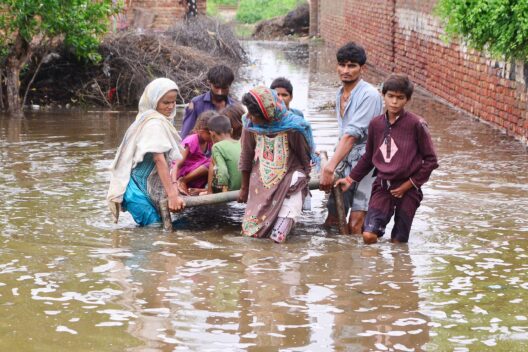
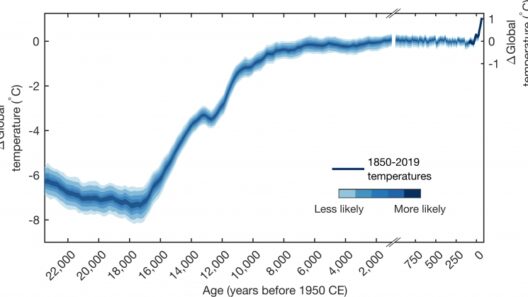
The kinetic energy of the Earth’s atmosphere has risen due to elevated greenhouse gas emissions, resulting in increased global temperatures that have cascading effects on agricultural systems. Changes in precipitation patterns, extreme weather events, and shifting climatic zones can drastically impact crop yields. Fields once fertile may turn inhospitable. For example, rising temperatures can elevate evaporation rates, leading to severe droughts; conversely, excessive rainfall can cause flooding, washing away topsoil and valuable nutrients.
Moreover, the rising concentration of carbon dioxide (CO2) might initially appear to be beneficial for plants through enhanced photosynthesis. Yet, this comes at a cost. Higher CO2 levels can lead to reduced nutritional quality, particularly in staple crops such as rice and wheat. These nutrient deficiencies may exacerbate malnutrition, particularly in vulnerable populations, creating a paradox of quantity versus quality.
Vulnerable Regions and Communities
The ramifications of global warming on food security are not universally felt; rather, they disproportionately affect marginalized communities and developing nations. Regions that already grapple with food insecurity—sub-Saharan Africa, parts of South Asia, and small island developing states—face intensified challenges. For instance, areas reliant on rain-fed agriculture are particularly vulnerable as shifting rainfall patterns become the norm.
Additionally, socio-economic factors, such as poverty and lack of access to technology, compound these environmental challenges. Rural communities often lack the means to adapt to changing agricultural conditions, whether by investing in drought-resistant crop varieties or advanced irrigation systems. Persistent poverty entrenches food insecurity, creating cyclical patterns of hunger exacerbated by the impacts of global warming.
Economic Consequences
The economic dynamics of food security are complex and multifaceted. Food production supports the livelihood of billions, and disruptions can reverberate through global markets. Increasing instances of crop failures can lead to soaring food prices, which, in turn, deepens the cycle of hunger and poverty as individuals and families are unable to afford basic sustenance.
Additionally, policymakers face immense pressure to respond to climate-induced agricultural crises. The costs of emergency food aid, disaster response, and rebuilding damaged infrastructure can strain national budgets, leading to deflected investments in long-term agricultural development strategies. Such economic quandaries complicate efforts to combat food insecurity effectively.
Mitigation and Adaptation Strategies
In the face of these challenges, a multi-faceted approach to mitigate the impacts of global warming on food security is paramount. Firstly, investing in sustainable agricultural practices can build resilience. Techniques such as agroforestry, intercropping, and organic farming can improve soil health, enhance biodiversity, and increase climate resilience. Promoting traditional agricultural knowledge in tandem with modern science remains essential.
Secondly, emphasis on agricultural research and innovation can yield significant returns. Developing drought-resistant crops, more efficient irrigation systems, and precision agriculture tools can empower farmers to adapt to shifting climatic conditions. Furthermore, enhancing food storage and distribution networks can minimize post-harvest losses, ensuring that the food produced reaches those in need.
Finally, robust policy frameworks that integrate climate goals with food security objectives are essential. Governments and international organizations must work together to create systems that support smallholder farmers, ensuring they have access to resources, education, and technology. Investment in rural infrastructure, such as transport and market access, can bolster local economies and improve food security outcomes.
The Role of Individuals and Communities
While systemic change is critical, individual actions can also contribute to food security in the era of global warming. Supporting local agriculture by purchasing from farmers’ markets or engaging in community-supported agriculture (CSA) can strengthen local food systems. Moreover, reducing food waste at household levels is a powerful way to enhance food security. According to estimates, approximately one-third of food produced for human consumption is wasted, representing a significant loss of resources.
Educating oneself and others about the connections between climate change and food security fosters a collective sense of responsibility. Advocacy for sustainable practices and policy change can mobilize communities toward a common goal: a secure and equitable food future for all.
Conclusion
In summary, global warming presents a formidable threat to food security, altering agricultural systems and exacerbating inequalities. The potential for a future marked by either feast or famine hinges on our collective response and adaptability. Through sustainable practices, innovation, and robust policy, we can navigate the complexities of climate change and usher in an era where food security is not an aspiration, but a reality for all. The journey may be fraught with challenges, but the resolution to confront these issues will dictate the sustenance of future generations.