



As we navigate through the currents of the Anthropocene, the air we breathe and the heat we feel have become inextricably intertwined with the plight of our planet. Global warming is not merely an abstract concept; it is a palpable force that shapes our lives, affects our health, and influences the future of generations to come. This phenomenon is akin to a malign specter, casting a shadow over our collective existence, urging us to recognize the pressing realities of our environmental crisis.
The atmosphere acts as a delicate quilt, stitched together by nature herself. Each patch represents a unique ecosystem, exuding vibrant life. However, anthropogenic activities have begun to fray those seams. The burning of fossil fuels, deforestation, and industrial processes release copious amounts of carbon dioxide and other greenhouse gases, akin to a relentless torrent cascading into the fabric of our atmosphere. This accumulation has resulted in an enhancement of the greenhouse effect, trapping heat and leading to what we term global warming.
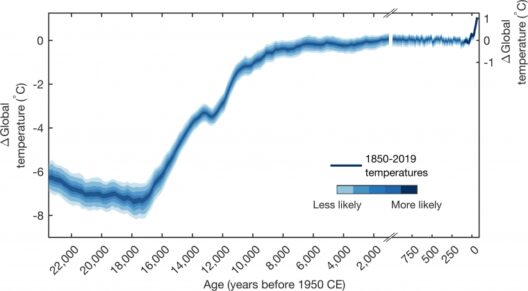
Heat, in this context, can be perceived both as a symptom and a harbinger. As global temperatures rise, we find ourselves experiencing more frequent and severe heatwaves, nudging humanity toward a more inhospitable reality. The warmth is reminiscent of a tight embrace that becomes stifling, restricting our movement and forcing us to confront the uncomfortable truths hidden within. It is no longer enough to turn a blind eye to the tangible consequences of this heat—our health, livelihoods, and the very ecosystems upon which we depend are at stake.
The implications of global warming extend beyond mere temperature increases. The air we inhale, once fresh and invigorating, now carries with it the burden of pollution and allergens that proliferate as a consequence of climate change. Respiratory ailments such as asthma, chronic bronchitis, and even cardiovascular diseases are on the rise, disproportionately affecting vulnerable populations. As the planet warms, air quality deteriorates, turning our breath into a lifeline that feels increasingly tenuous.
Moreover, the melting of polar ice caps and glaciers serves as a disquieting signpost of our changing climate. These icy titans, once malevolent and formidable, are now succumbing to the insidious advances of rising temperatures. The ramifications of their demise are profound—rising sea levels threaten coastal communities, while changes in ocean currents can lead to disruptions in weather patterns. This cascading effect serves as a reminder that the atmosphere is not a mere backdrop; it is an intricate system where every element is interlinked, and any disturbance reverberates throughout.
As we observe these shifts, it becomes clear that global warming is not an isolated issue but rather a complex web of interrelated challenges. Agriculture, for instance, faces unpredictability as crops struggle to adapt to erratic weather patterns. The once-reliable rhythms of growing seasons are now challenged by droughts and floods, jeopardizing food security and economic stability. The specter of famine looms, threatening to unravel communities—not unlike the tearing of threads in a well-worn tapestry.
In light of these overwhelming realities, it is essential to consider the psychological effects of global warming on humanity. The widespread phenomenon known as eco-anxiety is taking root, reflecting a collective fear about the state of the planet. This emotional toll can be compared to a heavy shroud that obscures our vision of the future, suffocating the optimism that is crucial for progress. Recognizing this anguish is vital, as it highlights the importance of mental health in discussions surrounding climate change.
Yet, amid this despair, there lies a burgeoning movement—a buoyant surge of activism and innovation directed at combating climate change. Grassroots initiatives, such as reforestation projects and community-led renewable energy efforts, spring up like wildflowers through cracks in asphalt, illustrating humanity’s resilience. There is an undeniable power in collective action, as individuals band together to effect change, embodying the spirit of stewards intent on protecting the only home we share.
Technological advancements also offer a glimmer of hope. The development of carbon capture methods, renewable energy sources, and sustainable agricultural practices underscores the ingenuity of humankind. However, these solutions will only be effective if wielded with intention and urgency. Time is of the essence; procrastination only serves to deepen the wounds we inflict upon our planet.
Furthermore, education plays a crucial role in addressing global warming. By fostering awareness and understanding about the intricacies of climate change, we can empower individuals to make informed decisions that drive systemic change. Educational institutions, businesses, and governments must work collaboratively to cultivate a culture of sustainability, one where environmental consciousness intertwines with everyday life.
As we introspectively engage with the air we breathe and the heat we feel, it becomes imperative to remember that the battle against global warming is not merely an environmental endeavor; it is an ethical one. Our choices resonate across ecosystems, societies, and future generations. Ultimately, it is our responsibility to forge a sustainable path forward, creating a harmonious existence with our planet.
In conclusion, global warming is a multifaceted challenge demanding our immediate attention. Its grip on human life is palpable, affecting our health, economy, and emotional well-being. Yet, as we confront this looming specter, we must hold fast to the belief that hope thrives in the soil of action. As stewards of our world, we possess the capacity to alter our trajectory, ensuring that the air we breathe and the heat we feel do not become insurmountable burdens, but rather, catalysts for transformative change.