



In the intricate tapestry of Earth’s ecosystems, plants play an indispensable role. They are not mere backdrops; they are the architectural foundation of life itself, providing sustenance, shelter, and oxygen. However, as global temperatures rise and weather patterns shift, the challenge for plant survival intensifies. This article delves into the multifaceted ways global warming is influencing plant life, examining adaptive strategies while highlighting the alarming prospects if these organisms fail to cope with the looming threats.
Understanding Global Warming and Its Impact on Plant Life
Global warming refers to the long-term increase in Earth’s average surface temperature due to human activities, particularly the emission of greenhouse gases. The ramifications of this climatic upheaval extend far beyond rising mercury levels; they disrupt the delicate ecological balance that sustains plant life. Changes in temperature, precipitation patterns, and atmospheric CO2 concentrations are all interconnected facets of this phenomenon.
Among the most immediate challenges is the alteration in temperature regimes. Many species possess a specific thermal range within which they thrive. As temperatures exceed these ranges, plants face significant physiological stress. For instance, photosynthesis, respiration, and nutrient absorption can all be detrimentally affected, leading to diminished growth rates and reduced reproductive success.
Water Availability: A Critical Factor
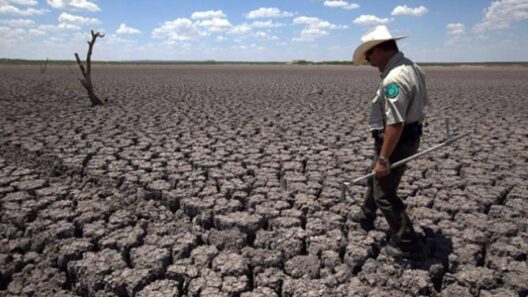
As global warming escalates, evaporation rates increase, which can exacerbate drought conditions in certain regions. This change impacts plants that are not only dependent on precipitation but also on specific hydrological regimes. Plants in arid or semi-arid environments may struggle to survive as their water resources dwindle.
Conversely, some regions may experience heightened rainfall, leading to flooding and soil saturation. Waterlogged soils can suffocate plant roots, hinder nutrient uptake, and initiate a cascade of detrimental effects, including the proliferation of pathogens. The duality of drought and flooding illustrates the complex and often contradictory challenges plants face.
Shifting Habitats and Species Distribution
As the climate continues to evolve, so too does the geographic distribution of plant species. Many flora are shifting their ranges poleward or toward higher elevations in search of suitable climates. This migration may benefit some species while placing others at risk of extinction. Fragmentation of habitats caused by human activity further complicates these shifts; isolated populations may not possess the genetic diversity necessary to adapt to changing conditions.
Invasive species further exacerbate the situation. As climate zones shift, non-native species capable of thriving in newly suitable conditions can outcompete indigenous plants, leading to a decline in native biodiversity. The introduction of these invaders often results in the alteration of ecosystem functions, which can have a domino effect on other organisms that depend on native plants for survival.
Adaptation Mechanisms in Flora
Despite the dire challenges posed by global warming, many plants exhibit remarkable resilience and adaptability. Some species possess phenotypic plasticity, allowing them to adjust their growth characteristics in response to environmental variation. For example, changes in leaf morphology or stomatal density can enhance water retention or optimize photosynthesis under altered light and temperature conditions.
Additionally, some plants exhibit adaptive behaviors such as early flowering. Known as phenological shifts, these adjustments allow plants to synchronize their reproductive cycles with favorable climatic periods. However, such shifts must be coupled with adequate genetic adaptability, or the benefits gained may be short-lived. Without sufficient genetic diversity, populations may become increasingly vulnerable to novel stressors.
Resilience Through Symbiotic Relationships
Plants can also form symbiotic relationships with fungi and bacteria, improving their chances of survival in a changing environment. Mycorrhizal fungi, for instance, enhance nutrient uptake and improve water efficiency for many plant species. As global warming reshapes the soil microbiome, understanding these interactions becomes crucial. The health of the soil ecosystem often dictates the fate of plant communities in an era of environmental uncertainty.
Meanwhile, the importance of polycultures – planting diverse species together – is gaining recognition. This practice not only enhances resilience against pests and diseases but also supports a more stable ecosystem that can withstand the vicissitudes of climate change. By promoting biodiversity, we enable ecosystems to retain functionality amid adversities.
The Role of Conservation and Reforestation
Active conservation efforts are crucial in securing plant survival amid climate change. Establishing protected areas and implementing conservation strategies can preserve existing species and facilitate the movement of plants as they migrate to more suitable habitats. Given the accelerated pace of climate change, proactive measures are essential to ensure biodiversity is maintained while allowing ecosystems to adapt.
Reforestation, especially using native species, can also enhance carbon sequestration, mitigating some impacts of climate change. Restoring degraded landscapes not only supports plant life but also aids in the revival of entire ecosystems, creating a buffer against climatic extremes.
Collaborative Efforts for a Sustainable Future
The preservation and adaptation of plant life amidst global warming necessitate a collaborative response from scientists, policymakers, and the public. Awareness campaigns can galvanize collective action, emphasizing the importance of plants and their ecosystems. Supporting sustainable agriculture, reducing greenhouse gas emissions, and advocating for sound environmental policies are ways individuals can contribute to this global challenge.
In summary, the specter of global warming challenges plant survival through myriad avenues, from temperature extremes to water availability and invasive species. While many plants demonstrate incredible adaptability, the stakes are high. Conservation efforts stand as a pivotal line of defense in the face of this existential threat. The future of our planet hinges not solely on human intervention but also on the resilience of the plant kingdom – a race against time both for adaptation and survival.