The phenomenon of global warming, akin to a colossal specter hovering ominously over our planet, presents an undeniable public health emergency. As the Earth’s temperature inexorably rises, we are confronted with a veritable tapestry of health implications that are woven into the very fabric of our daily lives. No longer a distant concern, the ramifications of climate change are manifesting themselves with alarming immediacy, disrupting ecosystems, altering disease patterns, and unearthing long-buried health risks.
At the heart of this contemporary crisis lies the interconnectedness of climate and health. Consider the atmosphere as the skin of our planet, enveloping us in a delicate balance. As global warming disturbs this balance, it is as if the skin is becoming increasingly inflamed, leading to a host of maladies that affect individuals and communities. Rising temperatures can be likened to a slow boil, where the initial discomfort of warmth gradually escalates into a life-threatening situation. Heatwaves, once considered sporadic, are becoming more frequent and severe, leading to heat-related illnesses such as heat exhaustion and heatstroke. Particularly vulnerable populations, including the elderly, children, and those with pre-existing health conditions, find themselves at the mercy of these soaring temperatures.
Moreover, as the climate warms, so too does the proliferation of vector-borne diseases. Mosquitoes and ticks, those minuscule harbingers of disease, thrive in warmer environments. Their range expands, moving to regions previously inhospitable to them. Diseases such as Lyme disease, Zika virus, and West Nile virus are now making their homes in areas where they were once rare or nonexistent. This shifting ecological landscape not only jeopardizes individual health but also places an increased burden on healthcare systems already stretched thin.
Respiratory issues also warrant attention in the discourse on climate-related health implications. The correlation between rising temperatures and air quality degradation is unsettling. As the climate warms, the prevalence of allergens, pollutants, and particulates in the atmosphere escalates. Pollen counts surge, exacerbating allergies and triggering asthma attacks. Likewise, ground-level ozone becomes more concentrated on hotter days, posing additional risks to those with respiratory conditions. It is a vicious cycle: as the air we breathe becomes increasingly tainted, the health of populations wanes.
Another concerning aspect of global warming is its deleterious effect on water quality and availability. As precipitation patterns shift—leading to droughts in some regions and flooding in others—water resources become compromised. Contaminated water is a breeding ground for gastrointestinal illnesses, and the stress of resource scarcity can lead to a myriad of mental health issues. The metaphor of a fish out of water resonates deeply here; when our access to clean water is curtailed, our very essence and sense of well-being is jeopardized.
The psychological ramifications of climate change are an often overlooked yet critical area of concern. The metaphorical weight of climate anxiety is palpable, as individuals grapple with feelings of helplessness and despair about the fate of the planet. Communities facing natural disasters—hurricanes, wildfires, floods—experience traumatic stress akin to survivor’s guilt. The loss of homes, livelihoods, and cherished natural spaces engenders a collective mournfulness that can have enduring impacts on mental health.
In response to these multifaceted health crises, proactive measures must be taken. The first step is education—empowering communities with knowledge about the risks associated with climate change and strategies to mitigate them. Public health campaigns can serve as a clarion call, bringing attention to the health implications of environmental degradation. Simultaneously, robust investment in public health infrastructure is imperative. Strengthening healthcare systems, particularly in vulnerable communities, can help manage the influx of climate-related health issues.
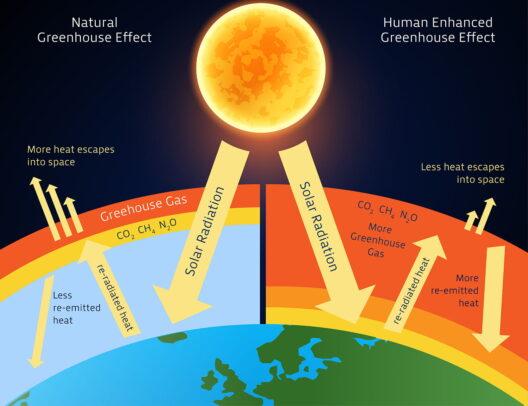
Furthermore, promoting sustainable practices is integral to curtailing global warming’s relentless march. Initiatives aimed at reducing greenhouse gas emissions, transitioning to renewable energy, and advocating for sustainable agriculture are not just environmental imperatives; they are public health necessities. The metaphor of planting seeds for a healthier future encapsulates this sentiment: by nurturing the ecosystem and adopting sustainable practices today, we can foster a flourishing tomorrow.
In conclusion, framing global warming as a public health emergency underscores the urgency of the situation. As the temperature rises and the intricate web of life on Earth begins to unravel, health risks multiply. From heat-related illnesses to the spread of infectious diseases, the consequences are far-reaching. Yet, by fostering awareness, investing in healthcare, and embracing sustainable practices, we have the capacity to confront this monumental challenge. The stakes are high, but through collective action and informed decision-making, we can mitigate the health impacts of climate change and pave the way toward a resilient, healthier future for all.