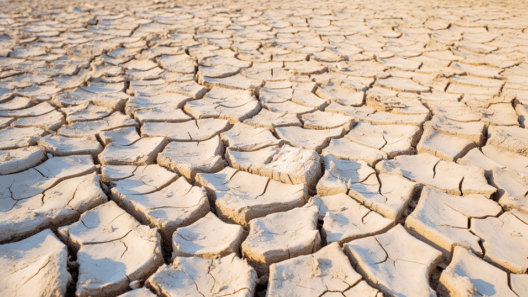

South Florida is renowned for its sun-kissed beaches, vibrant nightlife, and diverse ecosystems. However, this alluring paradise is confronting a formidable adversary: global warming. As the planet’s temperature continues to rise, so too does the threat of rising sea levels and more extreme weather events, posing a significant challenge to South Florida’s thriving tourism industry. But have you ever wondered what happens when the very sands that attract millions begin to sink?
To understand the gravity of this situation, we must first examine the geography of South Florida. This region is a low-lying area, with much of its land sitting just above sea level. Consequently, even minor fluctuations in sea levels can result in substantial flooding. The Intergovernmental Panel on Climate Change (IPCC) predicts that global sea levels could rise by nearly three feet by the end of the century if current trends continue. This alarming projection poses a dire existential threat to coastal communities and the lucrative tourism sector they host.
Tourism is a vital part of South Florida’s economy. Cities such as Miami, Fort Lauderdale, and Key West attract millions of visitors each year, drawn by the allure of pristine beaches, cultural festivals, and an array of recreational activities. However, with rising waters, the picturesque beaches could soon transform into barren wastelands, eroding the very foundation of tourism in the region.
The economic repercussions of this phenomenon are both staggering and multifaceted. As beaches erode and flooding becomes more frequent, local businesses—from hotels and restaurants to tour operators—will likely face reduced patronage. An analysis by environmental economists indicates that a one-foot rise in sea levels could result in a loss of nearly $4.6 billion in annual revenue from the tourism sector. This could mean fewer jobs, lower wages, and an overall decline in the quality of life for residents.
Moreover, we cannot overlook the ecological implications of such climate-induced changes. The delicate balance of South Florida’s habitats, such as the Everglades, is already jeopardized. Increased salinity due to encroaching sea waters jeopardizes unique flora and fauna. The degradation of ecosystem integrity can have additional repercussions for tourism, as visitors flock to this region not only for its beaches but also for its biodiversity and natural beauty.
Climate change is also exacerbating the frequency and intensity of hurricane seasons. Warmer ocean waters fuel storms, making them more destructive. The 2017 hurricane season serves as a poignant example; Hurricane Irma caused catastrophic damage across South Florida, including extensive destruction of tourism infrastructure. Frequent hurricanes may discourage tourists from visiting, further destabilizing the industry and economy.
Given the impact of climate change on Florida’s tourism resources, one must ponder the effectiveness of current mitigation strategies. South Florida is investing in various solutions, such as fortifying seawalls and improving drainage systems to combat flooding. Yet, these measures only offer temporary relief. As global temperatures continue to climb, more innovative solutions must be considered to safeguard both the environment and tourism.
This leads us to a potential challenge: Can South Florida not only adapt to rising waters but also set a precedent for sustainability that other tourism-dependent regions can follow? This could involve a transformation in tourism practices; imagine eco-tourism initiatives that prioritize environmental conservation while still providing engaging experiences for visitors. By encouraging local businesses to embrace sustainable practices, the region can protect natural resources while simultaneously bolstering its economy.
Education will play a crucial role in this pivot. The tourism sector should spearhead awareness campaigns to inform visitors about the impacts of climate change and promote actions they can take. Tourists may be more inclined to preserve South Florida’s beauty if they understand the stakes. Ecotourism, environmentally-friendly attractions, and a focus on conservation could not only attract environmentally-conscious travelers but also generate support for climate action.
Collaboration within the community is essential, as various stakeholders must unite to develop viable long-term strategies. By fostering partnerships between government agencies, local businesses, and environmental organizations, South Florida could potentially implement groundbreaking adaptive measures. These initiatives might range from restoring natural barriers, such as mangroves, to employing greener urban planning tactics that lessen ecological footprints.
In addition, investment in renewable energy can fortify South Florida against the impacts of climate change while fostering economic growth. By shifting towards sustainable energy sources such as solar and wind, the region can reduce its greenhouse gas emissions and enhance its resilience to extreme weather. Such initiatives would appeal to a growing demographic of eco-conscious tourists, drawn not only to South Florida’s beauty but also to its commitment to sustainability.
In conclusion, the question remains: How can South Florida navigate the impending challenges posed by global warming while continuing to thrive as a tourist destination? The sinking sands serve as both a warning and a call to action. The choices made today will dictate the landscape for future generations. While the path forward may be fraught with obstacles, it is also brimming with potential for innovation and collaboration. Only by addressing these challenges head-on can South Florida safeguard its treasured lands and sustain its tourism industry for years to come.