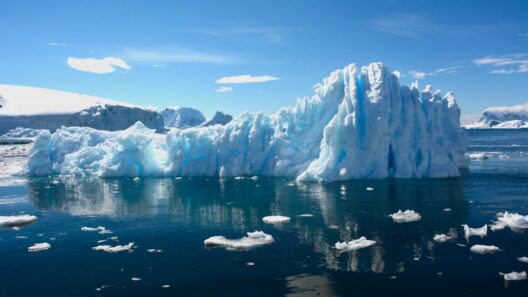

In recent decades, the Arctic landscape has undergone dramatic transformations, fueled by global warming and the resultant shifts in climatic patterns. One of the most striking observations within this ecosystem is the plight of the polar predators, particularly the Arctic fox and the Arctic wolf. Both species serve as apex predators, playing critical roles in maintaining ecological balance in their frigid habitats. However, the advent of rising temperatures and changing environments has begun to encroach upon their existence, presenting a multitude of challenges that extend far beyond mere temperature fluctuations.
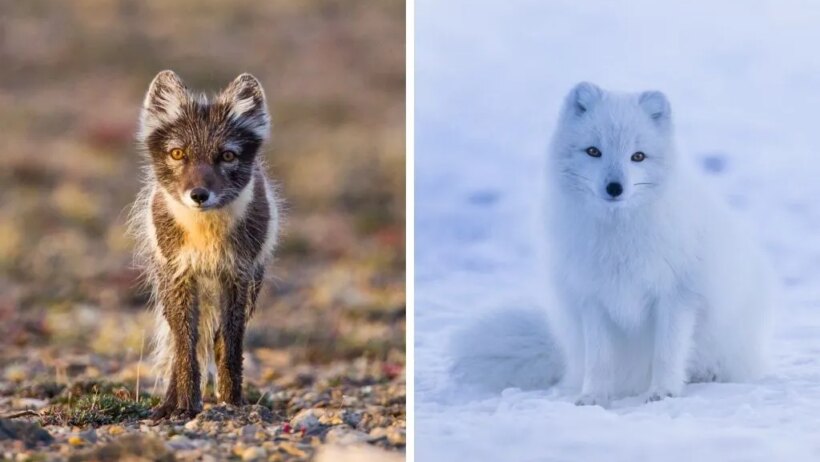
The Arctic fox, a diminutive yet resilient creature, is remarkably adapted to one of the planet’s harshest climates. Its thick fur coat, which changes color with the seasons, allows it to blend seamlessly into its environment while providing insulation against frigid temperatures. As an opportunistic feeder, the Arctic fox exhibits a diverse diet that includes small mammals, birds, and even carrion. This adaptability has historically enabled the species to thrive in the Arctic tundra, where resources can be scarce. However, this delicate equilibrium is now threatened by the profound impacts of global warming.
Contrastingly, the Arctic wolf commands a more dominant position within the Arctic ecosystem. This formidable predator is slightly larger than its fox counterpart and has evolved to hunt larger prey such as muskoxen and caribou. The pack dynamics in which Arctic wolves operate promote complex social interactions, showcasing intricate behaviors that contribute to their hunting successes. Yet, as the terrestrial landscape changes with melting ice and thawing permafrost, the Arctic wolf faces its own set of challenges that can disrupt herd dynamics and food availability.
One of the most alarming consequences of climate change is the alteration of habitat. The melting of sea ice not only disrupts the hunting grounds for the Arctic fox and wolf but also facilitates access for more competitive species. For instance, red foxes are increasingly encroaching upon Arctic territories, driven further north by changing climate conditions. This advent of a new predator can lead to intensified competition for food resources, which may prove detrimental to the agile Arctic fox. Meanwhile, Arctic wolves may also face competition from other predators as the proliferation of new species alters the composition of their food web.
Moreover, climate change exacerbates the unpredictability of prey availability. With the migration patterns of herbivores fluctuating in response to warming temperatures, Arctic wolves find it more challenging to locate reliable food sources. Diminished snow cover further complicates matters, as it affects hunting strategies critical to the wolves’ survival. The result is a potentially destabilizing effect on the health of wolf populations and their capacity to thrive in a rapidly changing landscape.
As these top predators confront the encroaching realities of climate change, their consequence reverberates throughout the entire ecosystem. As the Arctic foxes and wolves struggle for survival, the impacts extend downward through the food chain. A decline in predator populations inevitably leads to an overabundance of smaller mammals, with potential repercussions on vegetation and soil health. Thus, the intricate web of life that makes the Arctic wilderness so unique begins to unravel.
The phenomenon of global warming also raises concerns regarding the availability of denning sites essential for reproduction. Arctic foxes rely on snow for insulation during their gestation periods, but as temperatures rise, these critical structures may become less stable or even disappear entirely. This situation not only jeopardizes the success of a new generation of Arctic foxes but also alters the timing of reproductive cycles, further complicating population dynamics. For Arctic wolves, the need for secure den sites for their pups is equally critical, and like their smaller counterparts, they may find it increasingly difficult to find suitable places to raise their young.
Beyond the immediate impacts on individual species and their populations, the ethical implications of climate change and its effects on these polar predators cannot be overlooked. The Arctic environment is not merely a backdrop for these iconic animals; it is their home, intrinsically tied to their existence and evolution. As stewards of the earth, there is a moral imperative to protect these creatures and their habitats. Acknowledging the interconnectedness of all life on the planet demands a commitment to addressing the specter of climate change and mitigating its effects on polar habitats.
In conclusion, the narrative of the Arctic fox and Arctic wolf encapsulates a broader story of resilience and vulnerability in the face of an escalating climate crisis. These polar predators evoke fascination not solely because of their adaptative traits or ethereal beauty, but due to the profound challenges they endure as harbingers of environmental change. Their plight serves as a poignant reminder of the delicate balance that sustains Arctic ecosystems and the urgent need for global action to combat climate change. Protecting the Arctic fox and wolf is not merely about conserving two species; it is about safeguarding the intricate tapestry of life that depends on the health and vibrancy of the polar regions for generations to come.