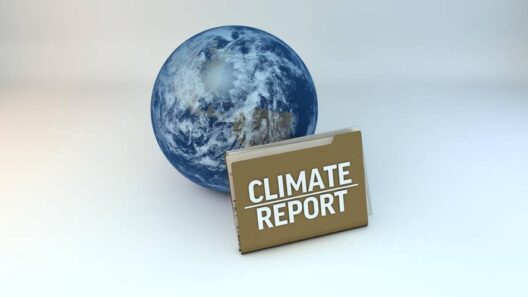


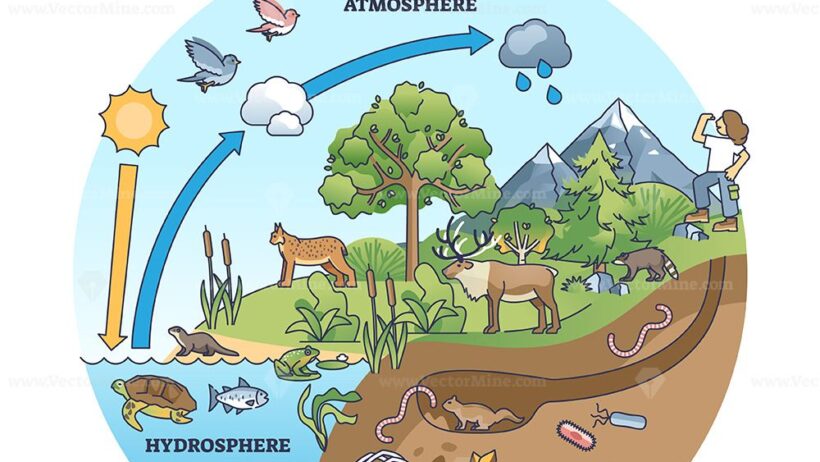

Global warming represents a formidable threat to Earth’s delicate systems, threatening the intricate interplay between the atmosphere, hydrosphere, and biosphere. This triumvirate forms the fundamental anatomical structure of our planet, encapsulating the physical and biological processes that sustain life. Understanding how climate change intertwines with these three realms is imperative for comprehending the full magnitude of its implications.
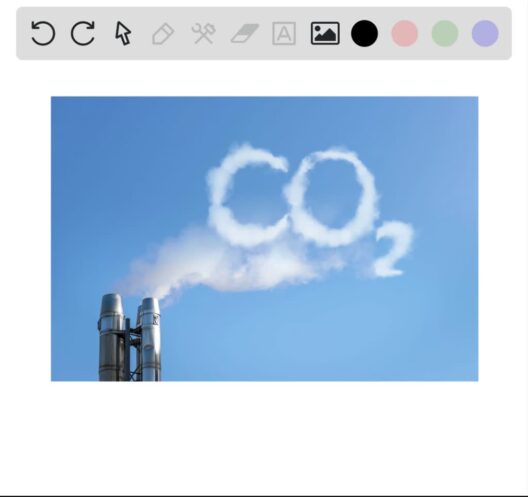
The atmosphere is the first layer to consider, a dynamic gas envelope surrounding the Earth. It is composed principally of nitrogen, oxygen, carbon dioxide, and trace gases that are crucial for maintaining life. The greenhouse effect—a natural phenomenon—allows the Earth to retain some solar energy, which warms the surface. However, anthropogenic activities, such as burning fossil fuels and deforestation, have exacerbated the accumulation of greenhouse gases. This elevated concentration traps more heat, leading to shifts in weather patterns and increased occurrences of extreme weather events.
As global temperatures rise, the atmosphere is not merely becoming warmer; it is undergoing a metamorphosis that reverberates throughout various ecosystems. For instance, warmer air can hold more moisture, intensifying storms and leading to severe flooding in some regions, while simultaneously contributing to droughts in others. These contrasting weather phenomena disrupt agricultural practices, threaten food security, and alter the habitats of numerous species, nudging them towards extinction.
The second layer of Earth’s anatomy is the hydrosphere, which includes all water bodies, such as oceans, rivers, glaciers, and groundwater. This component plays a pivotal role in regulating climate and housing an immense diversity of life. As global temperatures rise, so too do ocean temperatures. Warm water has various deleterious effects. It reduces the solubility of oxygen, resulting in hypoxic conditions detrimental to marine life. Moreover, marine species that thrive in specific temperature ranges are experiencing difficulties. Coral reefs, often dubbed the ‘rainforests of the sea,’ are bleaching at unprecedented rates, as the symbiotic relationships with algae are disrupted by temperature spikes.
Sea level rise, driven by the thermal expansion of seawater and the melting of polar ice caps, poses an existential threat to low-lying coastal communities. This phenomenon not only erodes land but also contaminates freshwater reserves, exacerbating the global freshwater crisis. The intersection of the hydrosphere with human settlements creates tension—cities along coastlines face inundation and displacement as climate inaction persists. Additionally, the alteration in precipitation patterns precipitates an imbalance in water distribution, further compounding the challenges of water scarcity and pollution.
The biosphere manifests as the sum of all ecosystems on Earth, a complex web of interactions among organisms and their environments. The implications of global warming for this layer are profound. As temperatures rise, ecosystems face the pressure to adapt, migrate, or perish. Biodiversity is at stake, with species struggling to acclimate to rapidly changing conditions. For example, altered growing seasons disrupt plant reproduction, consequently affecting herbivores and subsequently impacting predators higher up the food chain. This cascading effect highlights the vulnerability of interdependent species.
A particularly salient example of this phenomenon lies in the Arctic, where warming trends have led to the retreat of permafrost. Melting permafrost releases long-sequestered greenhouse gases, creating a feedback loop that accelerates climate change further. This same region, once a habitat for diverse wildlife like caribou and polar bears, now grapples with habitat loss as ecosystems shift. The notion of resilience looms here; can nature adapt swiftly enough to our transformative influence?
Moreover, the impact of climate change on human health, fallaciously often overshadowed by environmental concerns, needs urgent attention. Rising temperatures exacerbate air quality, resulting in respiratory ailments. Furthermore, pathogens and vectors—such as mosquitoes—are proliferating into previously inhospitable territories, increasing the risk of vector-borne diseases such as malaria and dengue fever. These health threats underscore the inevitable intertwining of environmental and public health issues.
The resolute scientific consensus on climate change necessitates a collective response. Addressing the Anthropocene dilemma demands a nuanced appreciation of Earth’s anatomy and its intricate systems. Mitigating global warming’s reach requires a multifaceted approach, emphasizing sustainable practices. Implementing renewable energy sources, enhancing carbon sequestration methods, and fostering biodiversity are paramount. Legislation aimed at reducing emissions, protecting ecosystems, and promoting sustainable agricultural practices will aid in combating the relentless advance of climate change on these vital layers of our planet.
In summation, the intricate relationship among the atmosphere, hydrosphere, and biosphere reveals a complex ballet where each element influences the others. Global warming’s insidious encroachment reshapes these interconnected systems, threatening their equilibrium and our very existence. Understanding this interplay not only enlightens the global discourse on climate action but also cultivates a sense of responsibility. For the protection of our planet and future generations, it is imperative to recognize that the well-being of humanity is intrinsically linked to the health of Earth’s anatomy.