
Global warming, an inexorable shift in our planet’s climate, is altering the very fabric of our lives. The phenomenon is more than just a gradual increase in temperature; it is a complex interplay of numerous ecological, economical, and social factors. The changes wrought by global warming reach into every corner of the globe, affecting habitats, human health, and economic stability. By the early 2030s, earth is projected to hit critical warming thresholds, ushering in uncharted challenges that require our urgent attention. But what if we could imagine a world where we confronted these changes with creativity and ingenuity? What opportunities might lie hidden within the myriad challenges posed by climate change?
The rising average global temperatures, projected to exceed the critical threshold of 1.5°C above pre-industrial levels, herald a cascade of consequences. One of the most apparent effects is the increased frequency and intensity of extreme weather events. Hurricanes, droughts, floods, and heatwaves are no longer anomalies but rather the new normal in many regions. This has significant ramifications for food security and water supply around the globe. As agricultural zones shift and become less predictable, farmers are forced to adapt their practices or risk failure. Herein lies a challenge: Can we innovate our agricultural practices to not only withstand but also thrive amidst these conditions? Vertical farming, hydroponics, and genetically modified crops may provide avenues to maintain food security in changing climates.
Moreover, global warming is disrupting ecosystems and threatening biodiversity. Species face habitat loss, altered migration patterns, and increased competition for dwindling resources. Consider the plight of polar bears, whose icy habitats are melting away. Will they adapt, or will they face extinction? This question is emblematic of a broader existential concern for countless species around the globe. Conservation efforts must focus not only on protecting individual species but also on preserving entire ecosystems. Creating wildlife corridors and supporting biodiversity hotspots could mitigate some of this loss. The challenge here is to galvanize global cooperation in conservation efforts, especially when many governments prioritize economic growth over ecological sustainability.
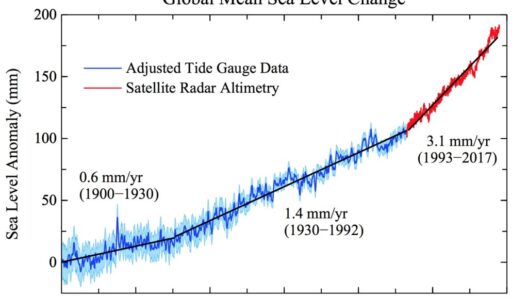
The melting of polar ice caps is a particularly alarming consequence of global warming. As these regions lose their ice cover, they contribute to rising sea levels, which threaten coastal communities worldwide. Imagine entire countries displaced, their populations forced to migrate inland as their homelands are swallowed by the sea. This phenomenon raises a provocative question about responsibility: Who should bear the burden of these changes? Wealthy nations, often the largest contributors to greenhouse gas emissions, may need to play a pivotal role in helping vulnerable nations adapt. International agreements and climate reparations could be pathways to address the moral imperatives surrounding climate justice.
Human health is another battlefield where the impacts of global warming are manifesting with alarming clarity. Rising temperatures correlate with an increase in heat-related illnesses and vector-borne diseases. Malaria and dengue fever, once relegated to specific regions, are starting to encroach into temperate zones. With healthcare systems already stretched thin, how will we cope with these emerging health challenges? Investing in public health infrastructure, research, and education may provide the tools necessary for communities to protect themselves. The interconnectedness of health and climate should compel a unified approach to address these pressing public health crises.
The economic implications of global warming are profound and multifaceted. Industries reliant on natural resources, such as fishing and tourism, are among the first to feel the heat of climate change. Coral reefs, dubbed the “rainforests of the sea,” are under threat from ocean acidification and rising temperatures, leading to massive bleaching events. How can regions dependent on these ecosystems transition to sustainable models that both protect the environment and ensure economic resilience? This challenging question requires innovation in policy, business, and community engagement. Emphasizing sustainable tourism and responsible fishing practices could pave the way for a balanced relationship between economic prosperity and ecological stewardship.
As we navigate these myriad challenges, it is essential to foster a spirit of collaboration and innovation. Each stakeholder, from individual consumers to multinational corporations, has a role to play. The call to action extends beyond mere acknowledgment of issues; it requires commitment to transformative solutions. One such solution could be the transition to renewable energy. By embracing solar, wind, and hydropower, societies can significantly reduce carbon footprints and decrease dependence on fossil fuels.
Transitioning to renewable energy also presents economic opportunities. Job creation in green technology sectors could be a boon for communities struggling with economic disparities exacerbated by climate change. Education and training programs centered around these emerging technologies can empower individuals, from the youth to displaced workers, to lead the transition toward a sustainable future. The question remains: Are we prepared to rethink our economic models in pursuit of sustainability?
In conclusion, global warming is changing everything everywhere. The implications span the spectrum from environmental degradation to health risks and economic volatility. Yet, within these challenges lie opportunities for innovation and collaboration. By harnessing technology, promoting sustainable practices, and prioritizing education, society can confront climate change head-on. The real challenge lies in our collective willingness to adapt and invest in a future that is not merely survivable, but sustainable and equitable for generations to come. Will we rise to meet this profound challenge? The time for decisive action is now.