
As we gaze skyward and observe the dance of clouds, have we ever paused to ponder the caprices of the jet stream? This nimble current of air, an invisible river that meanders through the atmosphere, plays a crucial role in shaping not just the weather we experience, but also the broader climate patterns we rely on. However, recent research indicates that this once-stable jet stream is becoming increasingly erratic, thanks to the phenomena of global warming. How does this wobble of the jet stream challenge our weather norms and what implications does it have for our planet?
First, let’s delve into what the jet stream actually is. Comprised of fast-flowing air currents located in the upper atmosphere, the jet stream exhibits a serpentine trajectory, largely dictated by temperature gradients between polar and equatorial regions. This dynamic current helps guide storm systems and influences temperature distributions, essentially acting as a steering wheel for weather patterns across the Northern Hemisphere.
Traditionally, the jet stream follows a relatively stable path. However, anthropogenic climate change has begun to alter its course. As global temperatures rise—principally due to the accumulation of greenhouse gases—the disparity in temperature between the poles and the equator diminishes. This weakened temperature gradient leads to a sluggish jet stream that occupies a more sinuous pattern, creating what scientists refer to as a “wobble.”
What are the ramifications of this altered flow? The answer is both complex and alarming. A wobbly jet stream leads to prolonged weather events. For instance, instead of the quick-moving storms we once experienced, we find ourselves facing persistent heatwaves or extended periods of heavy rainfall. Climatologists have observed that, as the jet stream meanders, it can become “stuck,” resulting in localized weather patterns that persist far longer than they normally would.
This persistence has immediate consequences for agriculture. Farmers rely on predictable weather patterns for planting and harvesting their crops. With the rise of erratic rainfall and unusually extended dry spells, crops are at risk. Some regions may encounter droughts, while others could suffer from over-saturation, leading to flooding. The unpredictability induces challenges in food security as crops fail or yield fluctuates significantly.
Moreover, the wobble of the jet stream is also linked to extreme weather phenomena. Just think about the devastating hurricanes that batter the eastern seaboard or the scorching heatwaves that commence in the Midwest. They may receive more publicity, but they share a foundational connection to the shifting patterns of the jet stream. The linkage between these extreme weather events and a wobbly jet stream poses an intriguing question: are we becoming more susceptible to these phenomena due to our own actions?
In addition to impacting agriculture and increasing the incidence of extreme weather, the wobble has implications for our ecosystems. Many wildlife species are sensitive to temperature and seasonal changes. As the climate shifts, their natural habitats are at risk. For example, birds that migrate according to specific seasonal cues may find themselves out of sync with their food sources. Similarly, marine ecosystems are disrupted as ocean currents also respond to climate change, compounding the challenges faced by aquatic life.
Urban areas, too, are not immune. Cities often experience their own microclimates, and when the jet stream behaves erratically, those localized weather patterns can intensify, exacerbating heat domes and air pollution episodes. This puts vulnerable populations at greater risk, as they may lack access to resources needed to cope with extreme temperatures or air quality issues. It’s indeed a multifaceted dilemma, where environmental justice becomes a pivotal concern.
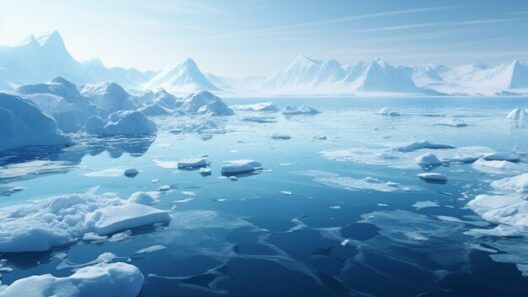
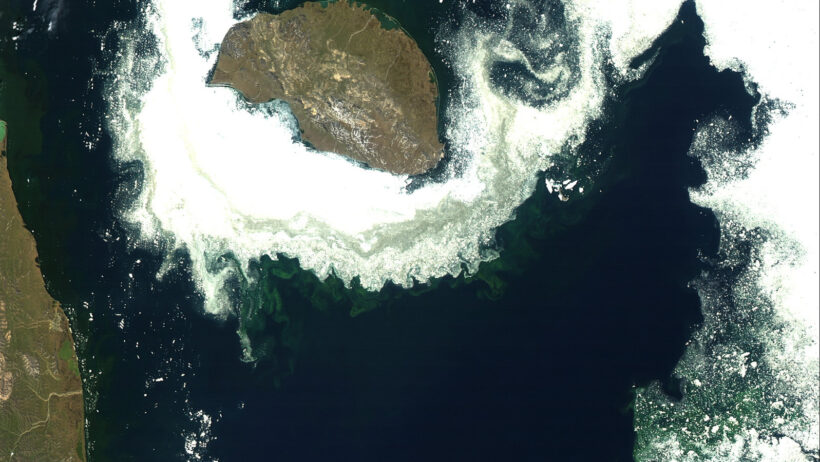
To add another layer, scientists are drawing attention to the relationship between Arctic ice melt and the jet stream’s behavior. The thinning ice cap creates a feedback loop that influences weather patterns not just in the Arctic, but globally. The reduction of ice alters the albedo effect—the way the Earth reflects solar energy—which further warms the atmosphere and modifies wind patterns. An intriguing challenge emerges from this: can we effectively address one facet of climate change while understanding its interconnectedness with others?
Ultimately, the question we must confront is not merely how to understand the mechanics of the jet stream, but how we can adapt our systems to the new norms created by climate change. Investing in sustainable agriculture, enhancing urban infrastructure for better heat resilience, and enforcing stricter emissions regulations are crucial steps we need to embrace. As we work individually and collectively to reduce greenhouse gas emissions, we also need to be aware of our ability to respond and adapt to an evolving climate landscape.
In conclusion, the wobble of the jet stream serves as a stark reminder of our intricate relationship with the environment. As we navigate this age of climate change, we must ask ourselves: are we prepared to tackle the challenges posed by a renegade jet stream? It beckons a proactive, informed response from global citizens and governments alike, urging us to re-evaluate our actions and their consequences. The time for contemplation is over; the need for action is now. By addressing the complex interplay of factors contributing to climate change, we can forge a sustainable future, lest we allow the whims of the jet stream to dictate our fate.