
The Great Plains, often referred to as the “breadbasket” of the United States, host an expansive stretch of land that is crucial for agricultural production. Spanning from Texas to Montana, these plains offer fertile soil and favorable conditions for the cultivation of a variety of crops. However, with the looming specter of global warming, these agricultural riches are under siege. Have you ever pondered how rising temperatures and erratic weather patterns could affect the foods we take for granted? This article explores the multifaceted challenge that climate change poses to agriculture in the Great Plains, highlighting key issues, potential ramifications, and avenues for proactive solutions.
To begin with, it is essential to understand what climate change entails, particularly within the confines of the Great Plains. Global warming, primarily driven by human-induced carbon emissions, has resulted in increased temperatures and altered precipitation patterns. The substantial rise in temperature leads to heat stress affecting both crops and livestock. Corn, wheat, and soybeans—the staples of the American diet—are particularly vulnerable, as these crops have specific temperature and moisture requirements. Even slight deviations from ideal growing conditions can result in diminished yields and poor crop quality.
Moreover, the looming threat of drought cannot be overlooked. The Great Plains have a history of periodic drought, but as climate change accelerates, extreme weather events are becoming more reliable in their unpredictability. Prolonged dry spells can lead to water shortages, which is particularly detrimental in an already semi-arid region. Farmers who depend on irrigation will be strained as water resources dwindle. What then? Will the American farmer adapt, or will the landscapes once abundant with produce turn to desolation?
Another alarming aspect of global warming is the increased prevalence of pests and diseases, which can flourish in warmer temperatures. For example, the wheat streak mosaic virus thrives more effectively in warmer conditions, leading to substantial declines in yield. Similarly, insects that pose a threat to crops are multiplying and expanding their range due to milder winters. This creates a compounding issue for farmers who are already beleaguered by unpredictable weather patterns: they must not only contend with the elements, but also fend off a growing army of agricultural adversaries.
In addition to these direct impacts, the agrarian economy is intertwined with the broader ecosystem, making it vulnerable to shifts in climate. For instance, pollinators such as bees and butterflies—critical for crop production—are experiencing their own struggles under climate duress. Increasing temperatures disrupt their life cycles, often leading to misalignments with crop flowering times. The effect is a vicious cycle of decreased yields and diminished biodiversity, exacerbating the strain on agricultural systems.
Adaptation strategies must be a forefront consideration in addressing these multifarious threats. Farmers are increasingly looking towards innovative agricultural practices. Techniques such as crop rotation, planting drought-resistant crop varieties, and employing organic farming methods can enhance resilience against climate impacts. In particular, conservation tillage can help maintain soil moisture and reduce erosion, valuing the precious resource that is the topsoil—a layer of great significance to successful farming.
Moreover, institutions and policymakers have a pivotal role in bolstering adaptation efforts. Investment in infrastructure to manage water resources effectively—from building reservoirs to improving irrigation systems—holds the potential to mitigate some of the adverse effects of drought. Equally necessary is an educational push to inform farmers about sustainable practices. Public campaigns emphasizing climate-smart agriculture could lead to widespread adoption of beneficial methods, paving the way for a more resilient agricultural future.
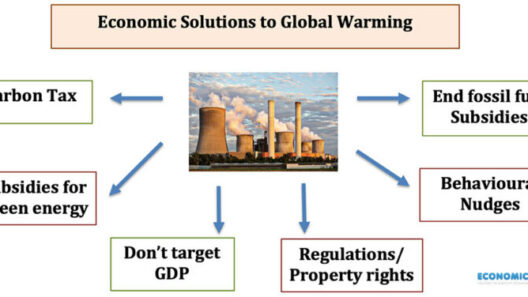
Even beyond adaptation, there exists an urgent need for mitigation efforts. Reducing greenhouse gas emissions is crucial to averting the worst consequences of climate change. The agricultural sector itself is responsible for a significant percentage of these emissions, primarily due to livestock production and land-use change. Transitioning toward more sustainable farming practices—including reducing reliance on fossil fuel-based fertilizers and advocating for agroecology—can make profound strides in decreasing the carbon footprint of agriculture.
Equally pressing is the question of public policy that prioritizes climate action. Congressional support for farm bills that incentivize eco-friendly practices is essential. Policy frameworks that promote carbon sequestration and protect natural resources through conservation can empower farmers to engage actively in the fight against climate change, leading not only to sustained productivity but also to enriched ecosystems.
In conclusion, the Great Plains are indeed in peril, facing an existential threat from global warming that jeopardizes agricultural viability. The interplay of rising temperatures, erratic weather, and pest invasions poses significant challenges, calling for immediate action and long-term strategies. Ultimately, the question remains: can we collectively harness innovation, education, and policy reform to preserve these vital lands for future generations? Addressing climate change is not just about protecting the land; it is about preserving the very essence of life that sustains us all. The responsibility lies with each of us—and the time for action is now.