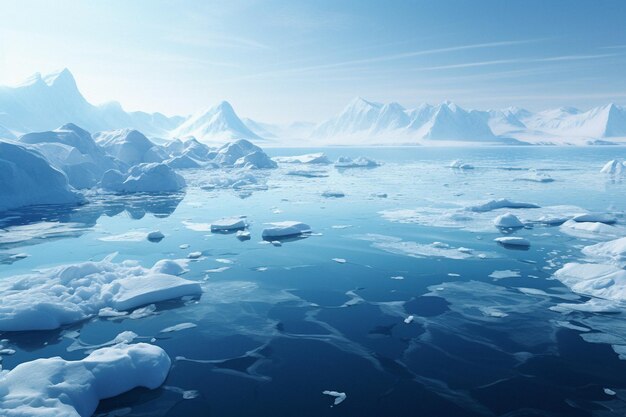

As the planet grapples with the pervasive effects of climate change, one of the most palpable indicators manifests in the form of melting ice and rising tides. The cryosphere, which encompasses all of Earth’s frozen water, including glaciers, ice caps, and sea ice, is experiencing unprecedented transformations. As global temperatures escalate, the resultant repercussions extend far beyond the frozen landscapes, influencing ecosystems, sea levels, and human communities around the globe.
The cryosphere plays a crucial role in regulating the Earth’s climate system. Ice reflects solar radiation, thereby maintaining the planet’s thermal equilibrium. When this ice melts, a dual predicament arises: the absorption of heat by darker ocean waters and the subsequent rise in sea levels. This phenomenon is not merely theoretical; empirical evidence substantiates alarming rates of glacial retreat. For instance, the Greenland Ice Sheet is losing billions of tons of ice annually, contributing significantly to global sea level rise.
Notably, the Arctic region serves as a bellwether for climate shifts. The editorial climate trends indicate that Arctic sea ice extent has diminished by over 70% since the late 1970s. This stark reduction not only affects local climates but ignites cascading effects on global weather patterns. Disrupted ocean currents and increased storm intensity are becoming more commonplace, resulting in erratic weather patterns worldwide.
Beyond the immediate impacts on sea levels, the melting cryosphere poses profound existential threats to wildlife. Polar bears, seals, and various seabird species rely on stable sea ice for hunting, breeding, and shelter. The decimation of their habitats exacerbates food scarcity and drives many species toward extinction. Consequently, this disruption of the ecological equilibrium reflects an intricate balance; the loss of biodiversity ultimately diminishes ecosystem resilience and service provision to humanity.
Moreover, the socio-economic implications are far-reaching. Coastal cities, home to millions, face the grim reality of rising tides. Projections suggest that by 2050, cities like Miami, New Orleans, and Jakarta could contend with chronic inundation. This reality necessitates a paradigm shift in urban planning and infrastructure development, as traditional coastal defenses may no longer suffice in the wake of relentless sea-level rise.
Oftentimes, the plight of island nations crystallizes the precarious situation. For example, the Maldives and Tuvalu exemplify front-line communities grappling with existential threats. Their very sovereignty stands at risk due to encroaching waters, propelling discussions around climate justice and the need for immediate remedial action on global scales.
Climate change’s impact on the cryosphere is not limited to terrestrial and coastal territories; it also has profound implications for geopolitics. The Arctic’s melting ice is opening up previously inaccessible shipping routes and potential resource extraction sites, thereby igniting territorial disputes among nations. The scramble for resources—be it oil, gas, or minerals—reflects a shift in geopolitics, where the consequences of climate change catalyze competition rather than collaboration.
Fortunately, the alarming trajectory of climate change has ushered in a burgeoning wave of climate activism and innovation. As awareness burgeons, so too does the call for transformative policies and sustainable practices. The intersection of scientific inquiry, policy formulation, and grassroots movements exemplify humanity’s potential to confront and mitigate climate challenges. Governments, corporations, and individuals must embrace an ethos of sustainability, forging policies that prioritize carbon neutrality, renewable energy, and reforestation.
Technological advancements also hold the key to reversing some of climate change’s impacts. The development of carbon capture and storage technologies, alongside innovative engineering solutions, can play a pivotal role in curbing emissions and mitigating ice melt. The investment in research and development not only fuels economic growth but fosters a resilient approach to climate adaptation.
Public engagement and education are essential components in catalyzing this necessary shift. Empowering communities to understand the significance of the cryosphere in global climate dynamics fosters a collective responsibility. Initiatives that promote environmental stewardship can cultivate a populace attuned to both local and global ecological sensitivities. Education campaigns aimed at illustrating the interconnectedness of climate, ice melt, and individual actions underscore the idea that everyone has a role to play in the fight against climate change.
As humanity stands at a critical juncture, the narrative surrounding melting ice and rising tides ought to provoke contemplation and inspire action. Rather than succumbing to despair, it is imperative to adopt a resilient mindset. The challenges posed by climate change are daunting; however, they also offer an opportunity for innovation, collaboration, and transformation. The choices made today will indelibly shape the world of tomorrow.
Consequently, addressing the multifaceted impacts of melting ice on the cryosphere is not solely about mitigating loss but rather harnessing opportunities for restorative policies, awareness, and community engagement. The critical task at hand is to foster a global consciousness that recognizes the paramount importance of the cryosphere, not as a distant issue but as an immediate concern that demands urgent attention. The fate of both the cryosphere and humanity is inextricably linked; the path forward calls for a unified response that embraces a sustainable future for all living beings.