


Record Breakers: Global Warming’s Link to Super Storms and Natural Disasters
The planet is a vast, interconnected web, each strand vibrating in response to shifts in temperature, pressure, and atmospheric conditions. These strands are not merely physical; they weave together the fabric of ecosystems, weather patterns, and the human experience. As temperatures rise due to anthropogenic emissions, this web experiences unprecedented tension, culminating in an alarming increase in the frequency and intensity of super storms and other natural disasters.
Historically, natural disasters have been an integral part of Earth’s narrative. Hurricanes that once grazed coastlines have morphed into voracious behemoths, fueled by warmer ocean waters. Floods that previously receded have settled into long-term inhabitants, reshaping communities, while droughts forge deserts from once-fertile lands. Yet, the escalating severity of these phenomena speaks to a greater reality: global warming is not an abstract concept; it’s a harbinger of chaos.
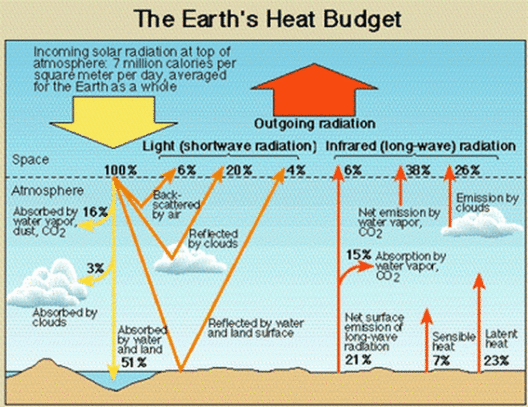
At the heart of this turmoil lies the greenhouse effect, a natural process amplified by human activity. Greenhouse gases such as carbon dioxide and methane trap heat in the atmosphere, akin to a thick blanket that stifles the planet’s natural cooling mechanisms. As this blanket thickens, the consequences are felt far and wide—rising sea levels, shifting weather patterns, and altered ecosystems.
In recent years, climatic extremes have become the new norm—a grim testament to humanity’s impact. Super storms, which once were sheltered under the umbrella of nature’s unpredictability, now bear the unmistakable fingerprints of climate change. Those who once marveled at the beauty of ferocious storms must now reckon with their destructive potential, as hurricanes like Katrina and Sandy remind us of nature’s dual persona: the enchanting and the terrifying.
The relationship between global warming and super storms can be likened to a sinister symbiosis. Higher sea surface temperatures provide a banquet for storms, allowing them to draw upon vast reservoirs of heat energy, thus escalating their growth and intensity. As atmospheric moisture increases—a direct consequence of warmer air—the capacity for precipitation swells, resulting in floods that can submerge entire regions.
Consider the case of Hurricane Harvey, which unleashed catastrophic rains over Texas in 2017. It unleashed deluges that dropped a staggering 60 inches of rain in some areas. The science behind this phenomenon is rooted in the principles of thermodynamics; warmer air holds more moisture, and thus, the potential for diverse precipitation increases. As the climate warms, so does the potential for deadly storms.
Moreover, the impacts of these natural disasters extend far beyond immediate destruction. Economies tremble under the weight of recovery costs, infrastructure crumbles, and communities are displaced. For every super storm that strikes, there are countless stories of loss. Lives upended, homes destroyed, and futures reimagined in the wake of devastation.
The repercussions are not confined to human existence; ecosystems too bear the brunt. The delicate equilibrium that sustains biodiversity is thrown into disarray as habitats shift, vanish, or transform under the relentless pressure of climate change. Coral reefs bleach and die, forests succumb to wildfires, and species find themselves in a frantic race against time to adapt—or face extinction. This cascade of effects creates a sinister feedback loop, wherein the loss of biodiversity further destabilizes our climate, intensifying the storms that wreak havoc upon our world.
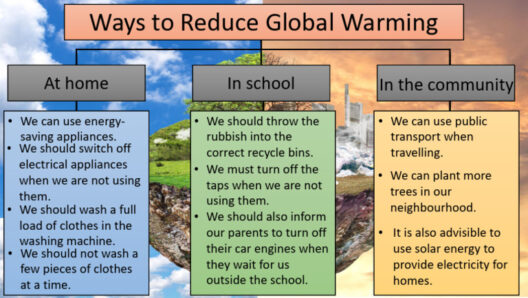
In this intricate interplay of natural systems, the concept of resilience has emerged as a critical focus. Communities across the globe are beginning to embrace adaptive strategies to combat the onslaught of super storms. Investments in sustainable infrastructure, early warning systems, and community preparedness are crucial elements in this evolving narrative. Yet, despite these efforts, the reality remains: the best defense against these record-breaking storms is a proactive approach to mitigating climate change. Reducing fossil fuel dependence and investing in renewable energy are the keystones to safeguarding our future.
The human response to climate change and its related disasters must not dwell solely on adaptation; it must pivot towards accountability. This means acknowledging the role of corporations and governments in perpetuating harmful practices. The rhetoric of sustainability must transform from mere platitudes into actionable policies that address emissions, promote conservation, and empower vulnerable communities. The ongoing dialogue around climate justice serves as a crucial reminder that as the planet warms, those most affected are often the least equipped to respond.
In summary, the link between global warming and super storms is not merely scientific; it is existential. The intricate tapestry of life on Earth is fraying, woven with threads of uncertainty, danger, and potential for renewal. Understanding this connection is crucial for spurring action among individuals, communities, and nations. As we face ever-mounting challenges, we must choose to be stewards of the planet, ensuring that the pulse of the Earth reverberates in harmony rather than chaos. Through concerted global effort, we can strive to transform the narrative from one of destruction to resilience, safeguarding our world for generations to come.