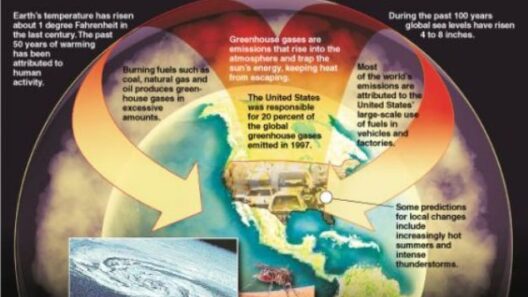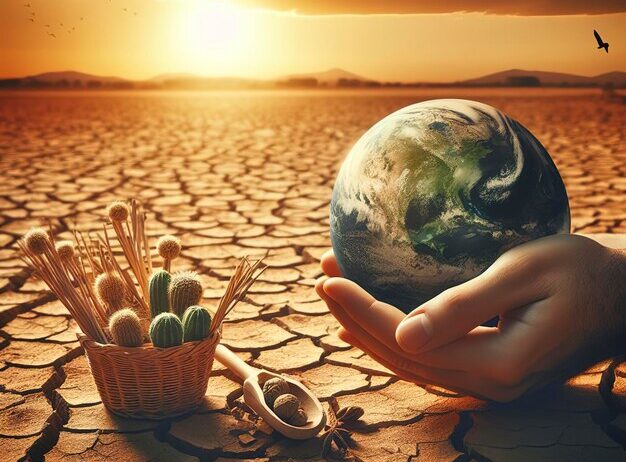

Global warming represents one of the most salient threats to food security worldwide. As average temperatures rise, ecosystems face unprecedented strain, leading to disruptions in agricultural productivity, exacerbating existing vulnerabilities, and precipitating widespread hunger. Understanding the multifaceted relationship between global warming and food shortages requires an examination of several critical factors, including changing climate patterns, diminishing biodiversity, soil degradation, water scarcity, and socio-economic implications.
Climate change manifests through various mechanisms, including altered precipitation patterns, increased frequency of extreme weather events, and shifts in growing seasons. These changes directly impact agricultural productivity. For instance, excessive rainfall can lead to flooding, while prolonged droughts devastate crops, crippling food supply chains. Farmers are particularly vulnerable to these fluctuations; in many regions, traditional farming methods are unable to cope with the unpredictability of climatic conditions. The unpredictability necessitates a pivot towards more resilient agricultural practices, highlighting an urgent need for adaptive strategies.
One of the significant challenges posed by global warming is the decline in biodiversity. The intricate balance of ecosystems is being disrupted, endangering various plant and animal species that play critical roles in food production. A diverse array of crops contributes to nutritional quality and dietary variety. However, habitat loss, due to changing climatic conditions, leads to the extinction of species, reducing the genetic pool necessary for breeding resilient crops. Furthermore, monoculture farming—predominant in many parts of the world—exacerbates biodiversity loss. As the climate continues to warm, the need to cultivate a broader selection of resilient crops becomes essential to mitigate risks associated with food shortages.
Soil health is paramount in sustaining productive agriculture, yet global warming threatens its integrity. The rise in temperatures contributes to soil degradation through erosion, loss of nutrients, and decreased organic matter. Fertile land is essential for productive crop yields; when soil quality diminishes, agricultural outputs wane, leading to potential food crises. Additionally, the overuse of chemical fertilizers—often exacerbated by the desperation to maximize yields in a changing climate—further damages soil health, creating a vicious cycle that threatens future generations’ ability to cultivate food. Initiatives geared towards regenerative agriculture and soil conservation are crucial in combating these detrimental effects.
Water scarcity, amplified by climate change, poses another aggravating factor in achieving food security. Agriculture is the largest consumer of freshwater globally, and with shifting precipitation patterns, many regions are experiencing water shortages. As temperatures rise, evaporation rates increase, further diminishing available water resources for farming. This shortage not only threatens crop production but also affects livestock, leading to diminished food supplies. Sustainable water management becomes vital in mitigating these challenges, necessitating investments in infrastructure and technology to conserve and efficiently use water resources.
Globally, the food supply chain is intricately linked to socio-economic factors. The most marginalized communities—often residing in developing countries—are at a higher risk of experiencing the brunt of climate change impacts. These populations typically lack the resources to adapt to changing conditions, suffering first from the consequences of food shortages. Moreover, rising food prices, driven by reduced agricultural outputs, inflate the already critical situation. As incomes stagnate or decline, the ability of individuals and families to access nutritious food diminishes, culminating in increased rates of malnutrition and hunger.
Interventions to combat hunger driven by global warming must be comprehensive and multifaceted. Governments and policymakers must prioritize strategies aimed at enhancing adaptive capacity within vulnerable communities. This includes investing in research and development to innovate resilient crop varieties, improving local food systems, and ensuring equitable access to technology and resources. Education and outreach initiatives can empower farmers to adopt sustainable agricultural practices, harnessing knowledge that promotes environmental stewardship.
Furthermore, fostering cooperation between nations is essential in addressing the global dimensions of food security. Climate change knows no borders; collaborative efforts to share knowledge, technology, and resources can yield benefits for all nations. By engaging in global dialogues, countries can work together to create frameworks that promote sustainable agriculture, alleviate food shortages, and combat hunger on a larger scale.
In conclusion, the relationship between global warming and food shortages is complex and multifaceted. As climate change continues to impose stress on agricultural systems, the resulting food insecurity constitutes a formidable challenge. Addressing this issue requires a commitment to innovative solutions, sustainable practices, and cooperative efforts across governments, communities, and organizations. By mitigating the impacts of climate change on food security, society can take significant strides towards eradicating hunger and ensuring a more equitable future for all.