
The phenomenon of global warming, a pivotal issue of our time, has intricate repercussions that extend far beyond mere atmospheric changes; its impact on soil stability is both profound and alarming. As climate change continues to escalate, various environmental factors conspire to jeopardize the very foundation of terrestrial ecosystems: the soil. Understanding these dynamics not only emphasizes the urgency of mitigating climate change but also compels us to reassess our relationship with the land.
Soil, often referred to as the Earth’s skin, constitutes the thin layer that supports all terrestrial life. It is a complex ecosystem composed of minerals, organic matter, air, and water, teeming with microorganisms. However, this vital resource is increasingly threatened by the inexorable march of climate change, leading to soil erosion, degradation, and a catastrophic decline in quality.
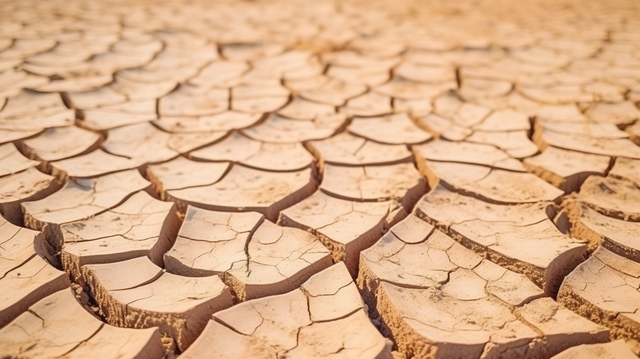
To unravel the implications of global warming on soil stability, one must first recognize the interplay between meteorological shifts and terrestrial processes. As global temperatures rise, altered precipitation patterns manifest in amplified rainfall intensity and frequency, followed by protracted droughts. These extremes create an unstable environment where soil becomes susceptible to erosion. Rainfall that was once moderate may transform into deluges capable of washing away the very foundation of our agricultural zones, thereby exacerbating the loss of topsoil—a crucial layer rich in nutrients.
Consider the phenomenon of soil erosion, which is accelerated by the combination of heavier rainfalls and the loss of vegetation cover, resulting in a vicious cycle exacerbated by global warming. Vegetation serves as nature’s protective blanket, effectively anchoring soil and preventing runoff. As climate anxiety drives shifts in land use and agricultural practices, deforestation and intensive cultivation further contribute to this precarious scenario. Without robust and adaptive vegetation, the soil is left vulnerable—a stark reminder of the fragility inherent in our ecosystems.
In addition to water dynamics, rising temperatures influence soil microbiomes, critical players in maintaining soil health. Elevated temperatures can disrupt the delicate balance of microorganisms, leading to diminished biodiversity and functionality within the soil. This, in turn, affects nutrient cycling, a vital process that sustains plant growth and, by extension, food security. As these microbial communities shift, the repercussions ripple through the trophic levels, threatening not only agricultural robustness but also overall ecosystem stability.
The implications of eroding soils extend beyond regional boundaries, impacting global food systems. The United Nations has projected that without sustainable practices, we may face a significant decline in crop yields—an urgent concern in a world where one in nine individuals already suffers from hunger. Heightened food insecurity, fueled by diminishing soil quality and adverse climatic conditions, poses ethical and moral questions that demand immediate attention. Sustainable agricultural techniques, such as agroecology, conservation tillage, and cover cropping, can serve as corrective measures to mitigate soil erosion while reinforcing the resilience of our agricultural systems.
Economic ramifications accompany these environmental crises. The degradation of soil leads to diminished agricultural productivity, consequentially impacting livelihoods, especially in agrarian communities reliant on the land for income and sustenance. This instability can result in socio-economic strife, creating a cycle of poverty that forces migration and exacerbates urban overpopulation. In regions already grappling with vestiges of conflict and instability, the compounded challenge of climate-induced soil erosion can ignite new tensions, making it imperative to address this issue within broader socio-economic frameworks.
Amid these challenges, innovative solutions emerge. Technology offers promising pathways for enhancing soil stability and resilience. Precision agriculture, for example, harnesses data analytics and sensors to optimize land usage, reduce fertilizer dependence, and minimize runoff. Soil carbon sequestration practices can not only replenish soil health but also serve as a mitigative measure against atmospheric carbon levels. By investing in research and adopting cutting-edge technologies, we can foster a cooperative approach to land stewardship that prioritizes sustainability and environmental integrity.
Education and advocacy are essential components of fostering awareness regarding soil stability. It is vital to engage communities in discussions surrounding sustainable practices. Farmers, soil scientists, and policymakers must collaborate to create a holistic understanding of the interconnectedness of climate change, soil health, and food security. Initiatives that promote sustainable land management practices can be disseminated through workshops, online platforms, and local organizations, empowering individuals to take ownership of their environmental impact.
The imperative to shift perspectives on soil stability and climate change cannot be overstated. Elevating soil as a critical environmental asset redefines our understanding of ecological stewardship. It accentuates the perspective that soil health is intrinsically linked to broader climate agendas, necessitating comprehensive action. Addressing the erosion of our soils shapes not only environmental integrity but also social equity, economic viability, and community resilience.
In conclusion, the urgent need to confront global warming’s impact on soil stability requires an amalgamation of knowledge, innovation, and action. By fostering sustainable practices, investing in technology, and engaging communities, we can navigate the complexities of this environmental crisis and set a course towards recovery. The movement towards enhancing soil health is a vital endeavor—one that promises a more robust, secure, and sustainable future for generations to come.