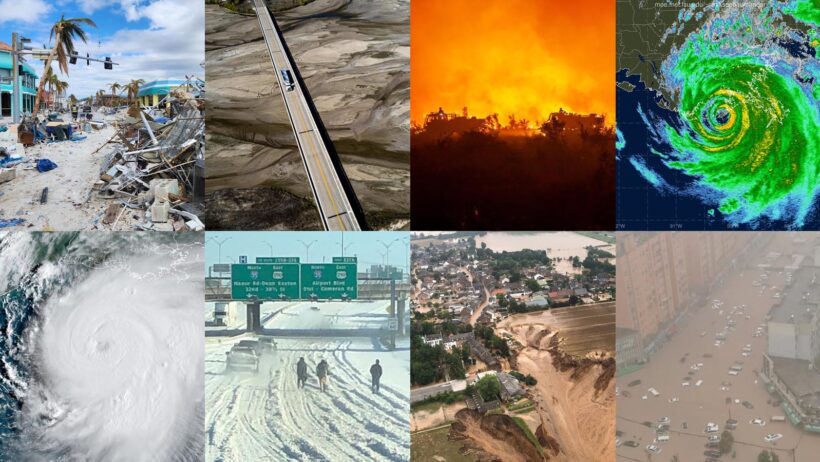

Climate change manifests in numerous ways, but perhaps none are more striking than the alterations it brings to weather patterns globally. From the cyclical phenomena of El Niño to unprecedented extreme weather events, global warming is fundamentally reshaping our atmospheric landscape. Understanding these complex interactions offers not only insight into present conditions but also a vital foundation for predicting the future of our climate.
El Niño, a periodic warming of ocean surface temperatures in the central and eastern Pacific, serves as a quintessential illustration of how natural phenomena can be influenced by climate change. Traditionally, this event occurs every two to seven years and exerts a profound impact on global weather patterns, influencing rainfa1ll, drought, and even the distribution of tropical storms. However, recent studies indicate that the frequency and intensity of El Niño events may be augmented by rising global temperatures, challenging our long-held understandings.
This augmentation can be attributed to the amplification of sea surface temperature anomalies, which, in turn, exacerbate the interactions between ocean and atmosphere. Warmer waters provide an ideal breeding ground for the phenomena, leading to more potent El Niño events. Increased rainfall in some regions accompanied by droughts in others can have devastating impacts on agriculture, water supply, and human health. As such, it becomes imperative to examine not only the historical context of El Niño but also how this natural phenomenon is evolving in a warming world.
As we transition from an examination of El Niño, it is crucial to expand our purview to incorporate the broader spectrum of extreme weather events. Over the last few decades, the incidence of extreme weather, such as hurricanes, floods, and heatwaves, has become alarmingly prevalent. Climate change acts as a catalyst, intensifying the variability of weather patterns and increasing the frequency of extreme events. This vicious cycle further exacerbates the already precarious balance of our ecosystems.
Take, for instance, hurricanes: evidence suggests that rising ocean temperatures provide more energy for these formidable storms. Warmer waters can lead to an increase in both the intensity and duration of hurricanes, resulting in catastrophic wind and rainfall. The unfortunate reality is that such phenomena are increasingly being linked to a warmer climate. Will today’s storms merely be a glimpse of what tomorrow holds? The growing body of research suggests a resounding yes.
Furthermore, the influence of global warming extends beyond coastal regions. Inland areas too face profound changes. For example, the occurrence of flash floods, as a result of intense precipitation events, is projected to rise. As climate patterns shift, so too do the regions vulnerable to extreme rainfall. Many communities that have historically been shielded may now find themselves on the frontline of flooding, leading to displacement and infrastructural stress.
As extreme weather events proliferate, their economic ramifications can be staggering. Repairs and recovery from natural disasters require significant financial investment. According to estimates, billions of dollars are being allocated to recovery efforts within countries repeatedly battered by extreme weather. This financial strain is often not equally shared; lower-income populations bear the brunt, robbing them of vital resources needed for sustainable development and resilience.
Pondering the socio-economic dimensions highlights another layer of complexity within the climate change conversation. Vulnerable communities, often least responsible for greenhouse gas emissions, are disproportionately affected by the consequences of climate change. The interconnectedness of environmental justice and climate action calls for a robust dialogue centered on equity and resilience. How can societies reconcile their contributions to greenhouse gas emissions with the obligation to protect the most vulnerable amid changing climate patterns?
Moreover, the influence of global warming on climate patterns extends into the realm of public health. With the changing climate, the emergence of vector-borne diseases, such as malaria and dengue fever, is anticipated. Warmer climates may extend the geographic range of mosquitoes, placing more populations at risk. Weather-related illnesses will also rise, amplified by heatwaves and extreme weather events. Public health strategies must evolve to account for these impending challenges, reinforcing the intricate connection between environmental shifts and human health.
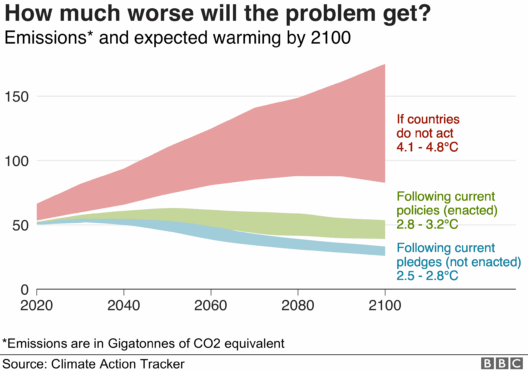
Despite the dire implications, there emerges a flicker of optimism; understanding the ramifications of global warming on climate patterns empowers us to take purposeful action. The paradigm shift in perspective emphasizes a proactive approach: investing in renewable energy, enhancing infrastructure resilience, and advocating for sustainable practices. Collaborative international efforts can catalyze innovative solutions, establishing frameworks to mitigate climate effects and protect future generations.
In conclusion, the complex interrelationships among El Niño, extreme weather events, and the overarching narrative of global warming reveal a pressing need for collective action and awareness. As climates continue to shift, understanding these dynamics may provide us with the tools necessary to adapt and counteract the potential fallout. Knowledge is not merely power; it can serve as a cornerstone for resettling the imbalance introduced by climate change. Curiosity about climate patterns can ignite a transformative journey toward resilience and sustainability, ultimately fostering a world better equipped to face the climatic challenges of today and tomorrow.