
In the realm of environmental science, two terms frequently dominate discussions: ozone depletion and global warming. While seemingly distinct issues, they are interwoven in their implications for our planet’s health and the sustainability of human life. How did these two phenomena arise, and what is their intricate relationship? Let’s delve into the complexities of ozone depletion and global warming to elucidate their interplay, challenges, and the implications for future generations.
Understanding Ozone Depletion
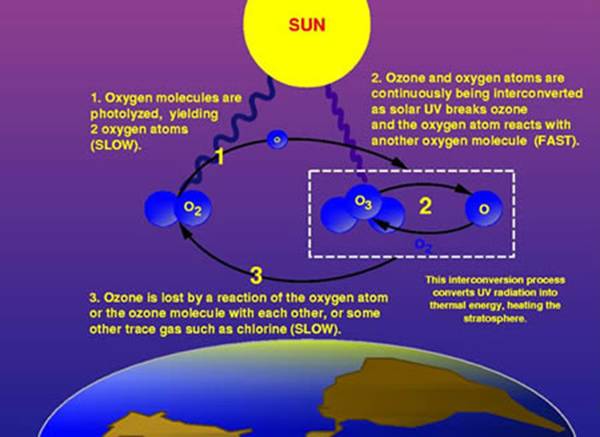
Ozone depletion refers to the thinning of the ozone layer, a protective stratum of ozone (O3) molecules located in the stratosphere, roughly 10 to 30 miles above Earth’s surface. This layer absorbs the majority of the sun’s harmful ultraviolet (UV) radiation. The depletion of ozone is primarily attributable to human-made chemicals known as chlorofluorocarbons (CFCs), halons, and other ozone-depleting substances (ODS). When these chemicals are released into the atmosphere, they eventually rise to the stratosphere, where ultraviolet light breaks them down, releasing chlorine and bromine atoms that catalytically destroy ozone.
The Role of Global Warming
Global warming refers to the increase in Earth’s average surface temperature due to rising levels of greenhouse gases, including carbon dioxide (CO2), methane (CH4), and nitrous oxide (N2O). These gases trap heat in the atmosphere, creating a ‘greenhouse effect’ that contributes to climate change. Industrialization, deforestation, and agricultural activities have significantly augmented these greenhouse gas emissions. The resulting temperature increases impact weather patterns, sea levels, and biodiversity.
A Notable Intersection
While ozone depletion and global warming stem from different causes and mechanisms, their relationship is remarkably complex. Interestingly, certain substances that contribute to ozone depletion can also affect temperatures in the atmosphere. For instance, while CFCs deplete ozone, they also possess a potent greenhouse effect. Thus, they operate almost like a double-edged sword in climate dynamics.
In the short term, the depletion of the ozone layer may seem to cool the planet since less UV radiation reaches the Earth’s surface; however, the long-term repercussions are quite the opposite. The increase in greenhouse gases promotes an overall warming trend, which leads to further ozone depletion. This creates a feedback loop: rising temperatures may contribute to the breakdown of the ozone layer, while its depletion also facilitates higher temperatures in certain contexts.
Deleterious Effects of Ozone Layer Depletion
The implications of ozone depletion are dire. Increased UV radiation penetration can lead to higher incidences of skin cancer and cataracts in humans, as well as detrimental effects on animal life. According to various studies, elevated UV levels can impair marine ecosystems such as phytoplankton, which forms the foundation of the aquatic food web. The loss of these critical organisms further disrupts global biogeochemical cycles, ultimately affecting food security.
Consequences of Global Warming
Conversely, the ramifications of global warming are also severe. Rising temperatures are leading to more frequent and intense weather events, including hurricanes, droughts, and heatwaves. Melting ice caps and glaciers contribute to rising sea levels, threatening coastal communities worldwide. Furthermore, shifting climate patterns increase the likelihood of wildfires and adversely affect agriculture, resulting in food shortages and increased prices.
Synergistic Challenges
The relationship between ozone depletion and global warming presents a significant challenge for policymakers and scientists. Seeking to address one issue may inadvertently exacerbate the other. Consider the challenge: if we focus solely on mitigating global warming through increased emissions of certain climate-friendly substances, we may inadvertently release compounds that further deteriorate the ozone layer. This raises a pivotal question: can solutions designed to combat one environmental threat remain sustainable in the face of another?
There is a potent call for integrated strategies that address both global warming and ozone depletion simultaneously. This multifaceted approach could involve utilizing alternatives to ozone-depleting substances that are also low in global warming potential, thereby minimizing negative consequences for both the atmosphere and climate.
Global Initiatives and Necessary Actions
International treaties such as the Montreal Protocol have been instrumental in mitigating ozone depletion by phasing out harmful chemicals. Its success serves as a beacon of hope, symbolizing what can be achieved through global cooperation. However, continuous vigilance is necessary. Emerging research must monitor new substances that could pose risks to both the ozone layer and global climate stability, particularly as new industrial chemicals are developed.
Moreover, advancing renewable energy technologies, promoting energy efficiency, and enhancing carbon capture and storage techniques are all vital steps needed to combat global warming while ensuring that these efforts are mindful of ozone health. Public education and community action can also help facilitate change by encouraging individuals to reduce their carbon footprint.
The Imperative of Coexistence
Ultimately, acknowledging the interconnectedness of ozone depletion and global warming is crucial for developing effective environmental policies. These challenges require collective action, scientific innovation, and a paradigm shift in how societies value and engage with the atmosphere and climate. As we navigate this intricate landscape, commitment to comprehensive solutions that address both challenges will ensure a safer and more sustainable future. In this endeavor, the question isn’t merely one of awareness, but of action: how are we going to respond to the dual threats of ozone depletion and global warming?