



As the sun scorches down on our communities, are we prepared for the relentless heatwaves that accompany a warming planet? It is imperative to understand how global warming influences our health and overall well-being, creating challenges that we must confront head-on. From increased morbidity rates to economic repercussions, the multifaceted impacts of heatwaves are evident in various facets of our lives.
Heatwaves have become more frequent and severe, a phenomenon closely linked to rising global temperatures. According to scientific data, heatwaves account for increased rates of heat-related illnesses, such as heat exhaustion and heatstroke. Vulnerable populations, including the elderly, children, and those with pre-existing health conditions, are particularly susceptible. The anticipation of these heat spells raises a poignant question: How can we fortify our communities against a surge of health-related adversities caused by climate change?
One of the most insidious effects of heatwaves is the exacerbation of respiratory and cardiovascular diseases. High temperatures intensify air pollution, leading to a spike in ozone levels. Poor air quality is often linked to increased hospital admissions due to respiratory illnesses such as asthma and chronic obstructive pulmonary disease (COPD). Furthermore, warmer temperatures can lead to dehydration, diminishing cardiovascular efficiency, and escalating the risk of heart attacks. In essence, a simple increase in temperature can have dire health consequences.
The socioeconomic impacts of heatwaves cannot be understated either. Vulnerable communities, particularly in developing nations, often lack access to adequate healthcare and cooling mechanisms. When heatwaves strike, these populations face harrowing choices: pay for air conditioning or risk health complications. This dilemma underscores the urgent need for policy interventions aimed at enhancing access to resources. Shouldn’t we consider investing in sustainable cooling technologies and infrastructure that can alleviate the burden on these at-risk groups?
Another alarming consequence of prolonged heat exposure is its psychological ramifications. Heatwaves have been correlated with increased instances of mental health disorders. Higher temperatures can exacerbate anxiety, depression, and even lead to increased incidences of violence. The relationship between environmental conditions and mental well-being poses a poignant challenge: how do we create resilient urban environments that support mental health during extreme weather events?
Moreover, the agricultural sector faces significant challenges as heatwaves disrupt crop yields, diminish livestock health, and threaten food security. With crops wilting under the oppressive sun and water supplies dwindling, farmers find themselves grappling with unsustainable conditions that jeopardize their livelihoods. The potential for food shortages and inflated prices looms large. Can we establish adaptive strategies within agriculture to mitigate these impacts and ensure food security for future generations?
The impacts of global warming extend beyond human health; ecosystems are similarly affected. Heatwaves can lead to habitat destruction, which endangers various plant and animal species. This ecological imbalance creates a cascading effect, disrupting food chains and diminishing biodiversity. It begs the question of whether we can effectively reform conservation strategies to safeguard these vulnerable ecosystems amidst an ever-changing climate.
Public health campaigns play a pivotal role in educating communities about the dangers of extreme heat and the necessary precautions to take. Knowledge is power. As heatwaves become the new norm, understanding symptoms of heat-related illnesses, utilizing proper hydration strategies, and recognizing the significance of cooling centers can save lives. How can we mobilize communities to collaborate on grassroots initiatives that promote health equity during such climatic extremes?
Mitigating the health impacts of heatwaves necessitates a multi-pronged approach that encompasses local, national, and global efforts. Policymakers must prioritize equitable access to healthcare, invest in public health infrastructure, and implement heat action plans that prepare cities for the realities of climate change. In tandem, the advent of technology offers a glimmer of hope; advancements in artificial intelligence (AI) and big data can help predict heatwaves, enabling proactive measures that protect the most vulnerable.
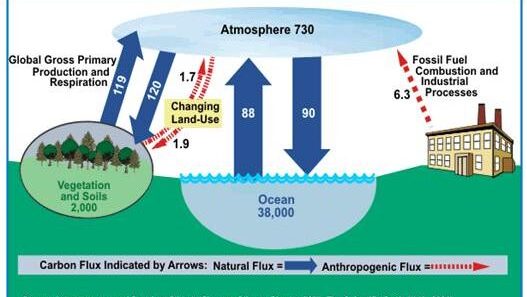
Renewable energy poses another vital avenue for reducing the impacts of climate change. By transitioning away from fossil fuels and embracing sustainable practices, we can significantly decrease the driving forces behind global warming. The imperative question is thus: Are we willing to shift our paradigms and adopt energy alternatives that not only combat climate change but also foster healthier living environments?
In summation, the implications of heatwaves brought about by global warming are vast and multidimensional. From health complications and economic burdens to psychological impacts and ecological degradation, the urgency to act has never been greater. It’s essential to transcend traditional thinking and embrace innovative solutions that prioritize health, environmental sustainability, and community resilience. As we grapple with these challenges, the responsibility lies with each of us to advocate for transformative changes that will forge a more sustainable future. How will you contribute to this pressing challenge, ensuring that the adverse effects of global warming do not define our shared tomorrow? The time to act is now.