


The narrative of climate change is laden with terms that often intermingle, leading to confusion between concepts such as the greenhouse effect and global warming. Yet, while these terms are intrinsically linked, they represent distinct phenomena that warrant careful examination. Why do so many people conflate them? Perhaps it’s because both concepts are frequently highlighted in discussions about climate action, environmental advocacy, and governmental policy. This intersection creates an opportunity for a deeper understanding—a chance to differentiate and appreciate the complexities of our planet’s climate system.
The greenhouse effect is a natural process that occurs in our atmosphere. In its essence, this effect allows Earth to maintain a temperature conducive to life, creating a delicate balance that has evolved over millennia. Solar radiation from the sun penetrates the Earth’s atmosphere, where it is absorbed by the surface and subsequently re-radiated as infrared radiation. Greenhouse gases—predominantly carbon dioxide (CO2), methane (CH4), and nitrous oxide (N2O)—trap a portion of this outgoing radiation, preventing it from escaping into space. It is this retention of heat that warms the atmosphere, thereby creating a habitable environment. Without this effect, the Earth would be a cold, inhospitable place, incapable of supporting the diversity of life we see today.
As we delve deeper, we recognize a significant element of this narrative: not all is well with the greenhouse effect. The dilemma arises from anthropogenic influences—human activities that have accelerated the concentration of greenhouse gases in the atmosphere, exacerbating the natural process. The burning of fossil fuels, deforestation, and industrial processes contribute significantly to increased levels of CO2 and other greenhouse gases. This leads us to the concept of global warming.
Global warming refers specifically to the long-term rise in Earth’s average surface temperature due to human-induced greenhouse gas emissions. While the greenhouse effect is crucial for sustaining life, the enhanced greenhouse effect resulting from industrialization is a textbook case of imbalance. The alarming rise in global temperatures over the past century presents dire implications for ecosystems, weather patterns, and polar ice caps. What ramifications might unfold if we continue down this path unchecked? Imagining a future of rising sea levels, more intense storms, and unprecedented droughts poses an unsettling challenge. It beckons us to reconsider our actions and their potential repercussions.
To illustrate this complex relationship further, consider this analogy: envision a car with a functioning radiator. The greenhouse effect acts like the radiator, maintaining optimal engine temperature. However, when coolant levels deplete or become contaminated (akin to human-induced emissions), the radiator fails to cool effectively, leading to overheating (global warming). Both the greenhouse effect and global warming impact the climate system; however, one is a natural phenomenon while the other is a symptom of human interference.
It becomes imperative to grapple with the repercussions of global warming. The rise in global temperatures elicits myriad changes: glaciers are retreating, polar ice is diminishing, and ocean temperatures are rising—each consequence intricately interwoven with the fabric of climate change. Additionally, extreme weather events, such as hurricanes, droughts, and wildfires, are becoming increasingly common, altering landscapes and ecosystems around the globe. Every degree increase in temperature carries significant implications for biodiversity as well.
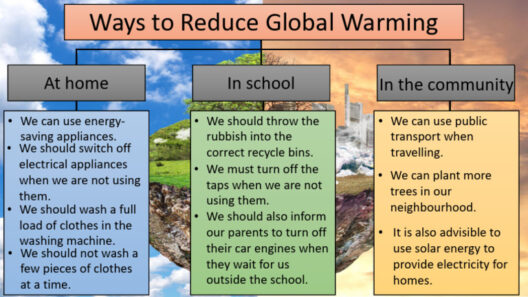
One might ponder, what role does human agency play in curbing these trends? While the challenges posed by global warming are daunting, solutions exist. Renewable energy sources, such as wind, solar, and hydroelectric power, offer alternatives to fossil fuels. Transitioning to sustainable agriculture and adopting carbon capture technologies can significantly mitigate emissions. Moreover, public awareness and advocacy remain critical components in combating climate change. Individual actions, like reducing waste and advocating for policy reform, can create ripples of change in communities.
As our understanding deepens, it is prudent to reinforce the connection between the greenhouse effect and global warming. The former is not inherently a detrimental phenomenon; it is the exacerbation of this natural process through human interference that lays the groundwork for the current climate crisis. An informed populace can galvanize action and demand accountability, ensuring that the urgency of the global warming crisis remains at the forefront of public discourse.
The interplay between the greenhouse effect and global warming evokes some compelling queries. How can we engender a culture of sustainability? Can technological advances usher in a new era of environmental consciousness? Engaging with these questions may lead to innovative solutions and policies, channeling concerns into concrete action. As we stand at this critical juncture, the intersection of knowledge, understanding, and action can forge a path toward an environmentally sustainable future.
In summary, distinguishing between the greenhouse effect and global warming entails navigating a landscape rich in scientific importance and urgency. Each phenomenon plays a unique role in shaping our planet’s climate. While the greenhouse effect is a cornerstone of Earth’s climate equilibrium, global warming serves as a clarion call for a global response to human-induced changes. The challenge ahead lies not in ignorance but in the collective determination to address the implications of our actions. The call to action is clear: we must engage, educate, and evolve to usher in a sustainable future for generations to come.