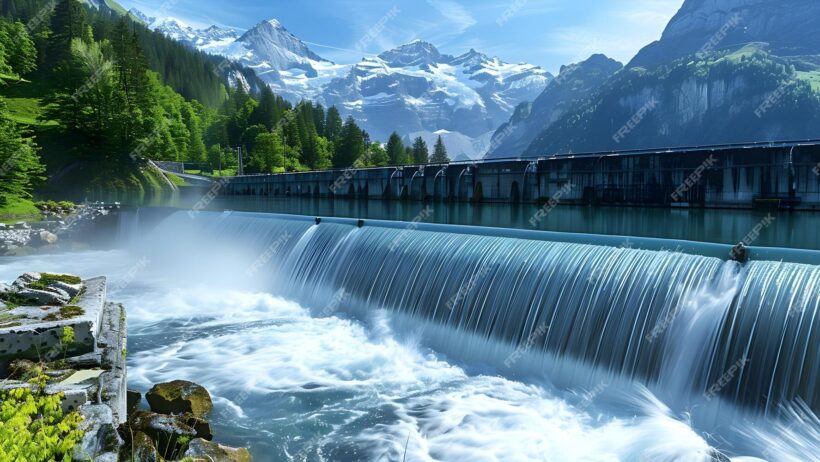

Hydroelectric power stands as one of the cornerstones of renewable energy, often heralded for its potential to mitigate climate change. With the world grappling with the dire consequences of global warming, the quest for sustainable energy sources has never been more critical. This article delves into the intricacies of hydroelectric power, examining its various forms, advantages, challenges, and its role in reducing carbon emissions while highlighting potential environmental concerns.
At its core, hydroelectric power harnesses the kinetic energy of flowing water, converting it into electricity. This process typically involves the construction of dams on large rivers. However, dams aren’t the sole method of generating hydroelectricity. Various configurations exist, including run-of-the-river systems, pumped storage systems, and small-scale hydroelectric facilities. Each type offers distinct benefits and challenges, making hydroelectricity a versatile yet complex solution to the energy crisis.
Run-of-the-river hydroelectricity is a method that requires minimal alteration to the river’s natural flow. By utilizing the existing current without significant dam constructions, this approach significantly reduces ecological impact while still providing a renewable energy source. This method is particularly advantageous for remote and small-scale projects, often serving communities that need localized energy solutions without disturbing the surrounding ecosystem.
Pumped storage is another innovative approach that works similarly to a battery system. Water is pumped from a lower reservoir to an upper reservoir during periods of low electricity demand. When demand peaks, the water is released back to the lower reservoir, driving turbines to generate electricity. This method not only provides energy during high-demand periods but also helps stabilize the grid, making it an essential component of modern energy infrastructure.
Large-scale hydroelectric dams, such as the Hoover Dam in the United States or the Three Gorges Dam in China, are often the most iconic. These monolithic structures can generate vast amounts of power, often enough to supply millions of homes. However, they are not without controversy. The construction of large dams typically necessitates the flooding of extensive areas, which can result in habitat destruction, displacement of local communities, and disruptions to aquatic ecosystems. Careful consideration must be given to the socio-environmental implications associated with such extensive projects.
The advantages of hydroelectricity are manifold. First and foremost, hydroelectric plants generate electricity without burning fossil fuels, which dramatically reduces greenhouse gas emissions. When compared to coal or natural gas, the carbon footprint of a hydroelectric facility is negligible. Some studies suggest that hydroelectric power could reduce global carbon emissions by nearly 4 billion metric tons annually, a formidable contribution towards combating climate change.
Moreover, hydroelectric power plants often boast high efficiency rates, sometimes exceeding 90%. This effectiveness means that less water is required to produce the same amount of energy compared to other renewable sources, such as wind or solar. Additionally, hydroelectric facilities have long operational lives, often functioning for several decades with minimal degradation in performance, which allows for long-term planning and investment in sustainable infrastructure.
However, the adoption of hydroelectric power is accompanied by challenges. In addition to the environmental impacts of dam construction, fluctuations in water availability due to climate change can affect the reliability of hydroelectric energy. Droughts can diminish river flows, thereby reducing energy output and straining energy resources. Furthermore, seasonal variations can impact operational consistency, necessitating backup energy sources during periods of low water availability.
Environmental monitoring and management are also critical components of hydroelectric power projects. Balancing energy needs with ecological conservation requires robust planning and foresight. Implementing fish ladders, for instance, can help mitigate the impacts of dams on aquatic wildlife, allowing fish to migrate past barriers. Strategies such as sediment management further help maintain river health and ensure optimal water flow dynamics.
Another area of concern is the socioeconomic ramifications of large hydroelectric projects. The displacement of communities may inadvertently result in social upheaval and increased poverty. Thus, it is imperative that stakeholders engage local populations in the decision-making process, ensuring that their rights and needs are respected. This participatory approach can lead to more equitable outcomes and enhance the viability of hydroelectric projects.
To encapsulate, hydroelectric power presents a dam good solution to the challenges of global warming, provided it is approached with a balanced perspective. Its ability to produce clean, renewable energy positions it as a formidable ally in the crusade against climate change. Nonetheless, the complexities woven into the fabric of hydroelectric power demand rigorous scrutiny and conscientious management. As the global community seeks ways to transition towards sustainable energy systems, the potential of hydroelectric power must be harnessed responsibly. Only through comprehensive environmental assessments, social considerations, and technological advancements can we maximize the benefits while minimizing the drawbacks of this vital resource. Embracing a multi-faceted approach fosters resilience and ensures that hydroelectric power contributes positively to our energy landscape for generations to come.