
As the planetary vessel drifts through the cosmos, its passengers—humanity—have embarked on a journey laden with both promise and peril. The planet’s climate footprint, shaped intricately by the contributions of nations, serves as a barometer reflecting how collective actions resonate within the delicate fabric of Earth’s climate systems. A nation’s climate footprint encapsulates its greenhouse gas emissions, resource consumption, and ecological imprints which collectively contribute to global warming. Understanding how these footprints are etched into the atmosphere is critical for steering our global civilization toward a sustainable horizon.
There exists an intricate tapestry woven from the threads of various nations, each contributing uniquely to the overarching climate narrative. The largest footprints belong to sprawling industrial powers like the United States, China, and India. These countries, through their high levels of industrial activity, fossil fuel consumption, and expansive agricultural practices, emit a significant proportion of the world’s greenhouse gases. To visualize this, imagine a grand orchestra where each nation plays its part, but where the loudest instruments—like the brass and percussion—represent the highest polluters, overshadowing the more melodious strings and woodwinds of smaller, less-industrialized countries.
In the case of the United States, despite its relatively small percentage of the global population, it boasts one of the highest per capita emissions. The country’s dependence on fossil fuels and the automotive culture have rendered it a heavyweight in climate discourse. Moreover, the agricultural sector, particularly livestock farming, contributes substantially to methane emissions, an even more potent greenhouse gas than carbon dioxide. Each steak, each drive in a gas-guzzling vehicle, perpetuates a cycle of environmental degradation that ripples across the globe.
Meanwhile, China’s rapid industrialization over the past few decades has propelled it into the forefront of greenhouse gas emissions. The nation’s expansive production capacities, fueled predominantly by coal, have turned its cities into smoke-laden landscapes. This industrial behemoth illustrates a paradox; while it has lifted millions out of poverty, it has also become one of the principal architects of climate change. Each brick laid in its factories, each watt generated from coal-fired power plants, adds weight to the atmospheric burden.
However, it would be remiss to overlook the emerging economies, particularly India and several nations across Africa and Southeast Asia. Here, burgeoning populations and aspirations for development manifest in increasing consumption patterns. The youthful energy of these nations could be harnessed to leapfrog traditional fossil-fuel-based growth, embracing cleaner technologies. Yet, as development pressures continue to mount, the threat of a burgeoning climate footprint looms large, necessitating urgent and informed interventions.
The narratives of these nations contribute to a broader discussion on historical accountability. Developed nations have a legacy of high emissions that have accumulated over centuries, while developing nations, although less responsible for historical emissions, bear the brunt of climate change consequences. This unjust dichotomy is mirrored in the metaphor of a shared boat at sea; those who damaged the vessel during a storm must assist those who are now struggling to stay afloat. Addressing climate justice requires acknowledging historical emissions and supporting nations most vulnerable to climatic shifts.
Yet, responsibility does not rest solely on national shoulders. The role of corporations entwined in this discourse is equally paramount. Multinational entities, whose operations extend across borders, often evade accountability while pursuing profit. Their often insatiable appetite for resources triggers ecological extraction at catastrophic levels. The climate footprint of these industries highlights the need for binding regulations to govern their actions, ensuring that advancements do not come at the expense of planetary health.
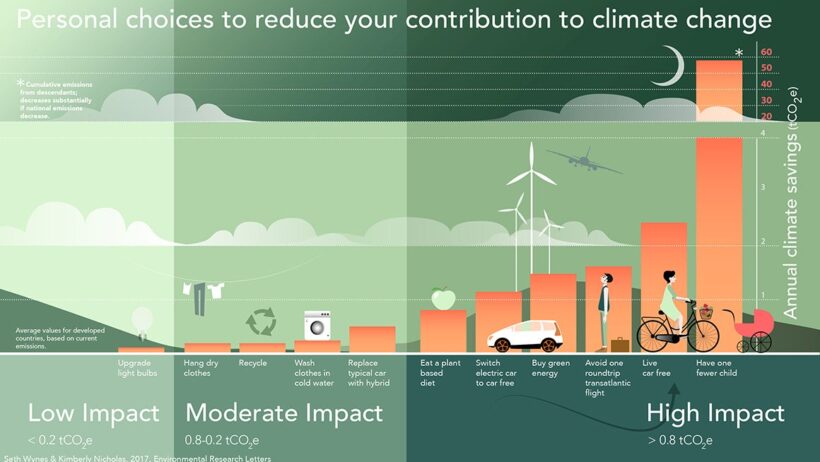
What remedies lie before this intricate and often beleaguered matrix? The transition to renewable energy sources stands as a towering beacon of hope. Nations must pivot towards sustainable practices—solar, wind, and hydropower—offering not just cleaner alternatives, but also economic opportunities for innovation and employment. This is akin to a phoenix rising from the ashes of fossil fuels, symbolizing resilience and renewal. Electric vehicles, sustainable agriculture, and energy efficiency are components of an emerging eco-economy awaiting investment and public adoption.
In this globalized era, collaboration is an imperative. International agreements, such as the Paris Accord, delineate frameworks for nations to collectively respond to climate change while holding each other accountable. While these treaties are pivotal, their efficacy hinges on implementation and the political will of nations to prioritize environmental stewardship over short-term gains. Herein lies a collective responsibility—like that of a crew navigating uncharted waters—where all must pull together towards a common goal for the planet’s survival.
Cultivating climate resilience at the community level is indispensable as well. Grassroots movements, local policies, and individual actions resonate through societal frameworks, forming a ripple effect that can influence national policies. Each tree planted, each awareness campaign launched, serves as a testament to the potential of collective action. Communities can foster local sustainability, nurturing ecosystems while mitigating the effects of a warming climate.
As we gaze towards the horizon filled with uncertainties, grasping the intricacies of our country’s climate footprint reminds us of the shared responsibility borne by nations in addressing global warming. The choices made today will echo throughout generations; thus, it is our duty to steer the course towards a sustainable future. The robust dialogue surrounding our environmental impact, adequate policy measures, and unwavering commitments to climate justice will be the keystones in shaping a livable planet for eons to come.