
The ubiquitous plastic straw has emerged as a symbol in the broader crusade against plastic waste, yet it represents merely the tip of an insidious iceberg. While straws have dominated public consciousness as a menace to marine life and environmental sanctity, they are but a fraction of a much larger issue. Understanding plastic’s full global warming footprint requires an in-depth examination of its lifecycle, revealing staggering implications for our planet’s climate.
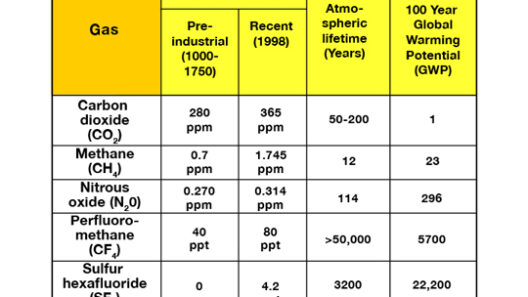
To navigate this vast terrain, we must first grapple with the genesis of plastic production. Derived primarily from fossil fuels, the production of plastics contributes significantly to greenhouse gas emissions. The extraction of crude oil, natural gas, and coal involves energy-intensive processes, releasing copious amounts of carbon dioxide (CO2) and methane (CH4) into the atmosphere. Each stage of plastic creation—from refining raw materials to polymerization—underscores a critical biological truism: for every action, there is an environmental reaction. These gases form a suffocating blanket around the Earth, exacerbating the greenhouse effect and raising global temperatures.
The allure of plastic lies in its versatility and affordability, characteristics that have transformed modern society. Yet, behind this façade lurks a darker reality. From convenience items to essential goods, plastics have seeped into every aspect of human life, leading to an insatiable demand that drives up production rates. The annual global production of plastic stands at over 300 million tons, with projections suggesting that this could double by 2030. This alarming trajectory not only signifies a colossal consumption of resources but also portends an avalanche of future emissions.
Once entrenched in the consumer lifecycle, plastics assert their grip on both our daily lives and natural ecosystems. After disposal, plastics exhibit remarkable durability, resisting decomposition for centuries. When plastics are incinerated in waste-to-energy plants, they release further emissions into the atmosphere, adding fuel to the global warming fire. Alternatively, when plastics find their way into landfills, they don’t just sit idly; they undergo a gradual decomposition process, emitting potent greenhouse gases like methane—a gas significantly more efficacious than CO2 at trapping heat in the atmosphere.
Transitioning the focus from the production and disposal of plastics to their utilization reveals another dimension of their environmental footprint. When employed in applications ranging from insulation to transportation, plastics may deliver immediate efficiency gains. However, this convenience often masks the cumulative impact on the climate. For instance, plastic packaging may extend product shelf life and reduce food waste, yet the environmental costs of plastic production far outweigh these benefits. As such, plastic’s seemingly innocuous role in food security is juxtaposed with an alarming environmental paradox.
Examining the entire lifecycle of plastics unveils a tapestry woven with environmental impersonation. Biodegradable alternatives and recycling programs often showcase an admirable attempt to mitigate plastic’s harmful effects. However, the reality is more nuanced. Bioplastics, while noble in intent, frequently require specific conditions for decomposition, conditions that may not be present in typical landfills. Meanwhile, traditional recycling streams are plagued by inefficiencies and contamination issues, resulting in a disheartening reality: only 9% of all plastic ever produced has been successfully recycled. The rest languishes in landfills, oceans, and natural habitats, exacerbating pollution and diminishing biodiversity.
This persistent cycle invigorates a critical discourse around the concept of ‘Plastic Smog.’ This term encapsulates the omnipresent microplastics that have proliferated throughout our ecosystems—from the deepest ocean trenches to the highest mountain ranges. These microplastics are not just environmental invaders; they represent a toxicological threat to human health. Recent studies have demonstrated that microplastics can leach hazardous substances into our food and water, creating a direct link between plastic pollution and public health crises. The omnipresence of these particles is a chilling reminder of our intricate interdependence with nature, posing a dual threat to ecological and human vitality.
To rectify this calamitous trajectory, innovative solutions must emerge. Polyethylene, polyvinyl chloride, and polystyrene—the three plastic titans—demand a multifaceted approach. Governments must enact stringent policies that curb excessive production, while companies need to embrace circular economies through design for disassembly and consideration of end-of-life scenarios. The adoption of alternative materials, such as glass, metal, or even organic materials, can also play a crucial role in lessening plastic’s grip on our lives.
Each individual bears the onus of evolution by consciously altering consumption habits. Fostering a culture of minimalism and advocating for sustainable practices cultivate a society that reveres the notion of stewardship over consumerism. The narratives woven around the perils of plastic serve as the connective tissue linking environmental awareness with social responsibility. Public outreach and education campaigns can inspire transformative action, encouraging a collective reawakening to the fragility of our planet.
In essence, dismantling plastic’s extensive global warming footprint demands not just awareness but an unwavering commitment to effect substantial change. Our engagements with plastics—and the myriad choices we make—collectively shape the future of our planet’s climate. It is high time we rise from the sidelines and engage in the tumultuous struggle against plastic pollution, transcending the iconic straw to confront the plastic onslaught head-on. As community members, consumers, and citizens, we possess the power to turn the tide; to cultivate a sustainable legacy for generations yet to come—a legacy that prioritizes our planet over convenience, and fosters resilience over apathy.