
Indonesia, an archipelago comprising over 17,000 islands, is one of the countries most affected by climate change. Located in Southeast Asia, it features a diverse range of ecosystems, from lush rainforests to rich coral reefs. However, the impacts of a warming world are unmistakably intertwined with the fate of this vibrant nation. The concern does not solely emanate from rising temperatures; it is a confluence of environmental degradation, social dynamics, and economic ramifications. Understanding Indonesia’s climate story involves examining the scientific underpinnings of its changing landscape, as well as the socio-political factors at play.
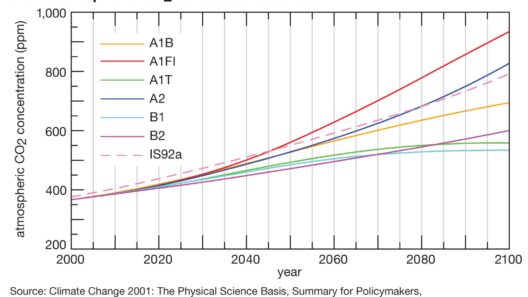
At the heart of Indonesia’s climate narrative lies the alarming reality of climate change. The country has witnessed a discernible temperature increase, averaging roughly 1.5 degrees Celsius since the mid-20th century. This escalation in warmth is not a solitary phenomenon; it is indicative of broader global trends exacerbated by anthropogenic activities. The burning of fossil fuels and widespread deforestation contributes to increased greenhouse gas emissions, leading to global warming. Indonesia, with its vast rainforest expanse, paradoxically serves as both a significant carbon sink and a major source of carbon emissions due to deforestation for agriculture, particularly palm oil plantations.
Deforestation has dire implications not only for climate stability but also for biodiversity. Indonesia is home to some of the world’s richest ecosystems harboring numerous endemic species. As habitat destruction accelerates in pursuit of economic development, a plethora of species face extinction, disrupting ecological balance. The orangutan, the Sumatran tiger, and the Javan rhinoceros may become relics of a bygone era, victims of humanity’s relentless pursuit of progress. The loss of biodiversity poses serious repercussions on food security and the livelihoods of local communities who rely on these ecosystems for sustenance.
The plight of Indonesia’s islands extends beyond terrestrial concerns. As global temperatures rise, sea levels have undeniably begun to encroach on coastal communities. Many of Indonesia’s cities, including its capital, Jakarta, are situated along coastlines vulnerable to flooding. The interconnectedness of climate change and socio-economic stability becomes evident here. Displacement due to rising waters threatens millions, deepening existing vulnerabilities faced by marginalized populations. Urbanization, particularly in coastal areas, exacerbates the situation and complicates resilience efforts. People are drawn to these cities for economic opportunities, yet they are now confronted with the reality of habitat loss.
Moreover, Indonesia experiences an intensification of extreme weather events. The increased frequency of floods, droughts, and heatwaves challenges agricultural practices that have sustained the populace for generations. Farmers face unpredictable weather patterns that hinder crop yields, directly impacting the nation’s food supply. The reliance on agriculture renders Indonesia particularly susceptible to climate variability, compelling a re-examination of farming practices. Sustainable agriculture emerges as a feasible solution, intertwining eco-friendly methods with traditional wisdom to optimize yields while safeguarding the environment.
In the face of these multifaceted challenges, resilience has become a key focus. Indonesia has embarked on various initiatives to combat the effects of climate change. A burgeoning emphasis on reforestation and afforestation efforts aims to replenish natural habitats and restore ecological integrity. This is coupled with efforts to transition toward renewable energy sources, a crucial pivot in the fight against dependence on fossil fuels. By harnessing bioenergy, solar, and wind energy, Indonesia not only aims to reduce carbon footprints but also aspires to achieve energy security.
Another significant aspect of Indonesia’s climate story is the active engagement of civil society. Numerous grassroots movements and NGOs have emerged, advocating for environmental justice and sustainable practices. These organizations play a vital role in raising awareness about the importance of environmental conservation and the dire consequences of climate inaction. They empower local communities to become stewards of their environments, fostering resilience through education and participatory governance.
However, the path forward is fraught with challenges. Political will is paramount; decisive policies are required to balance economic growth with environmental stewardship. The entrenchment of industries such as palm oil, which generates substantial revenue, often complicates environmental decision-making. The need for sustainable economic alternatives is critical, providing an avenue for growth that does not come at the expense of ecological integrity.
International collaboration also plays a pivotal role. Indonesia benefits from partnerships with various nations and organizations aimed at addressing climate change. These collaborations facilitate technology transfer, knowledge sharing, and funding for ambitious climate initiatives. As Indonesia navigates the complexities of its climate story, it must leverage both domestic and international resources to enact comprehensive solutions.
Ultimately, Indonesia’s climate narrative reflects a microcosm of the global climate crisis. The interplay of environmental, social, and economic factors underscores the urgency of addressing climate change. The fate of the archipelago serves as a poignant reminder of the interconnectedness of all nations in this warming world. As Indonesia grapples with the consequences of climate change, it bears the responsibility of fostering sustainable practices that honor both its rich biodiversity and its people. The stakes are high; the actions taken today will reverberate through the generations that follow.