
The modern construction industry, often hailed for its role in societal advancement, also harbors a paradoxical impact on the environment. As we witness unprecedented climate change, the materials and methodologies employed in building structures become crucial focal points. It is imperative to understand how various facets of the construction sector contribute to global warming, transforming our built environment into significant catalysts for environmental degradation.
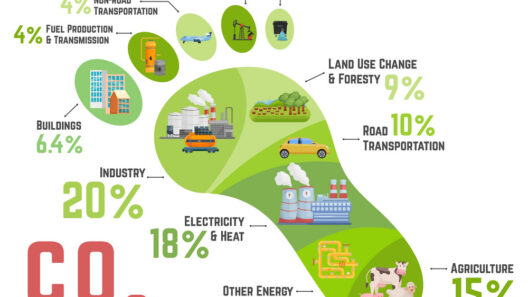
At the core of this phenomenon lies the concept of embodied carbon. This term refers to the total greenhouse gas emissions produced throughout the lifecycle of a building material, from extraction to manufacturing, transportation, installation, and eventual disposal. The construction industry is responsible for more than 40% of global carbon emissions, primarily stemming from the production of cement, steel, and other conventional materials. As the de facto building blocks of modern architecture, these materials encapsulate an energy footprint that is strikingly high.
Cement production, for instance, is a leading contributor to global carbon dioxide emissions. The chemical process of converting limestone into clinker is inherently carbon-intensive, releasing approximately 0.6 tons of CO2 for every ton of cement produced. Furthermore, the energy required to heat kilns during manufacturing is primarily derived from fossil fuels, amplifying the carbon output. With the global demand for cement poised to escalate alongside burgeoning urbanization, the urgency to explore alternative materials becomes evident.
Steel manufacturing compounds the issue significantly. The reduction of iron ore into iron, followed by its conversion into steel, necessitates extensive energy consumption—a process that is predominantly fossil fuel-reliant. It is an ironic juxtaposition that the backbone of skyscrapers and infrastructure is rooted in such environmentally detrimental practices. As infrastructure projects swell in scale and ambition, the demand for steel, and consequently, the associated carbon emissions, burgeon alarmingly.
To counter these overwhelming statistics, the construction industry must pivot toward sustainable practices and materials. One compelling avenue for mitigating environmental impact involves exploring eco-friendly alternatives. The advent of recycled materials in construction not only reduces waste but also curtails the need for virgin materials. Recycled steel and cement substitutes are being championed as viable replacements, with promising results in structural integrity and reduced carbon footprints.
Another innovative approach lies in biobased materials. Timber, when sourced sustainably, can be a carbon sink throughout its lifecycle—absorbing CO2 while growing. Cross-laminated timber (CLT) exemplifies this shift towards renewable materials, offering strength comparable to steel while sequestering significant amounts of carbon. Utilizing sustainably harvested wood for construction emphasizes ecological balance and fosters a circular economy within the building sector.
A lingering question persists: Can the construction industry evolve into a vanguard of sustainability? The answer lies not only in material innovation but also in a paradigm shift in design philosophy. Techniques like passive solar design and green building principles advocate for structures that minimize energy consumption, optimize resource use, and enhance occupant comfort without incurring hefty carbon costs. By integrating energy-efficient windows, natural ventilation, and solar panels into design, the operational energy requirements of buildings can be reduced dramatically, further lightening their environmental burden.
Moreover, the construction sector must embrace technological advancements, namely, Building Information Modeling (BIM) and prefabrication. These innovations streamline the construction process, optimizing material usage and significantly reducing waste. Through meticulous planning and virtual modeling, the necessity for excess materials diminishes, thus curbing unnecessary emissions associated with their production and disposal. Prefabrication, in particular, allows components to be manufactured in controlled environments, notably decreasing energy consumption and improving overall quality.
Yet, the metamorphosis towards sustainability requires not only innovation in materials and methods but also systemic changes in regulations and standards. Policies must incentivize low-carbon construction practices while discouraging environmentally harmful ones. Governments worldwide are beginning to recognize the imperative of zero-carbon building policies, which can pave the way for a seismic shift in the construction landscape. Establishing stricter guidelines regarding carbon emissions will serve as an essential catalyst for sustainable practices across the industry.
Public awareness and client demand play pivotal roles in driving this change. As society collectively grows cognizant of the pressing climate crisis, the expectation for responsible construction practices will intensify. Developers, architects, and builders must engage transparently with clients regarding the environmental impact of their projects. By fostering a dialogue around sustainability, stakeholders can collaboratively advocate for designs and materials that embody ecological integrity.
Furthermore, the importance of education cannot be overstated. Industry professionals must be equipped with the knowledge and tools necessary to implement sustainable practices effectively. Continuing education programs that emphasize green construction methods and the implications of embodied carbon are crucial for fostering a culture of environmental stewardship within the construction industry.
In conclusion, the construction industry is at a crossroads. As it simultaneously builds the future and contributes to environmental degradation, the potential for transformation exists. By embracing innovative materials, adopting sustainable design principles, and advocating for stringent regulations, it is possible to reconcile the industry’s role in the fight against climate change. The decision-makers of today hold the power to mold not just buildings, but the very fabric of our environmental legacy. It is time to construct a future that champions both progress and preservation, ensuring that the buildings we inhabit do not become the source of our undoing.