

The pervasive issue of plastic pollution is one of the most pressing environmental crises of our time. Our society’s insatiable obsession with plastic has not only altered landscapes but also irrevocably impacted climatic balance. This discussion endeavors to navigate the multifaceted dimensions of plastic usage, unveiling its climate implications, ecological ramifications, and potential pathways towards amelioration.
At the outset, it is crucial to delineate the seismic scale of plastic production. Fossil fuels lie at the heart of the plastic production process, serving as both a feedstock and an energy source. It is estimated that over 99% of plastics are derived from petrochemicals, which translates to a stunning carbon footprint that exacerbates climate change. In fact, the production and incineration of plastics contribute approximately 3.8 billion tons of greenhouse gases to the atmosphere annually, rivaling the emissions of major nations.
The ubiquitous presence of plastic is marked by its diverse manifestations, from single-use items like straws and shopping bags to durable products such as containers and synthetic textiles. Each category carries its own environmental conundrums. Single-use plastics are especially insidious; they are designed for immediate disposal and often find their way into oceans and landfills, perpetuating a cycle of pollution that affects terrestrial and aquatic ecosystems alike.
Moreover, the journey of plastic doesn’t conclude at disposal. Microplastics—tiny particles measuring less than 5 mm—emerge from the degradation of larger plastic items or are released during washing processes of synthetic textiles. Research indicates that microplastics infiltrate various food chains, posing a dire risk to both wildlife and human health. Marine creatures, for instance, mistakenly ingest microplastics, mistaking them for food. As they rise through the food chain, the toxic effects are amplified. This bioaccumulation poses significant threats to higher trophic levels, including humans.
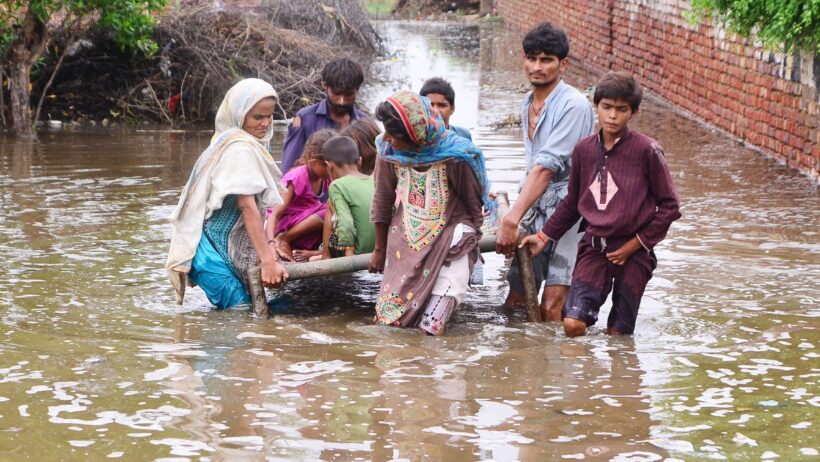
Alongside the evident biological impacts, the social and economic dimensions of plastic pollution demand attention. Vulnerable communities, often situated near industrial hubs, bear the brunt of environmental degradation caused by plastic waste. The inequities in exposure to pollution reveal a pattern of systemic injustices where marginalized populations face not only higher pollution levels but also limited resources for mitigation. This realization calls for a broader examination of environmental justice and the need for reparative policies that address these inequities.
Transitioning from an analysis of the ramifications, it is imperative to scrutinize consumer behavior. Our culture’s relationship with convenience has resulted in a drastically throwaway mentality. The ease with which we procure plastic items belies the long-term consequences of their disposal. Strategies for shifting consumer behavior center on education and awareness-raising about the environmental costs of plastic consumption. Campaigns advocating for responsible consumption and challenging the corporate ethos of disposability can harness public sentiment to drive change.
From a systemic perspective, there is an urgent need for policy reform to address plastic pollution. Governments worldwide are beginning to recognize the crisis, with bans on single-use plastics becoming increasingly prevalent. However, regulations must extend beyond prohibitive measures; they should also incentivize innovation in sustainable alternatives and foster circular economy practices. Governments can employ measures such as taxes on plastic production, support for biodegradable materials, and investment in waste management infrastructures. Collaboration between stakeholders—government bodies, private sectors, and civil society—is vital to establish holistic and sustainable waste management frameworks.
Accountability must be extended to corporations as well. The plastic industry can embrace Extended Producer Responsibility (EPR) principles, compelling manufacturers to take responsibility for the lifecycle of their products. Emphasizing design for disassembly, recyclability, and minimal environmental impact will nudge corporations toward sustainable production practices. Transparency in reporting plastic footprints can help consumers make informed choices while pressuring companies to deliberate ethical considerations in their operations.
Nevertheless, individual action retains its importance within the larger framework of systematic change. Consumers should be encouraged to adopt lifestyles that eschew unnecessary plastic through initiatives that promote reusability and sustainability, such as reducing the purchase of bottled water, utilizing cloth bags, and opting for bulk buying. In particular, educational programs targeting young audiences can instill environmentally conscious attitudes early in life, encouraging a generation of environmentally responsible citizens.
In conclusion, the climate cost of our plastic obsession is profound and multifaceted. Addressing this pervasive problem necessitates an intricate interplay of consumer behavior shifts, corporate accountability, government policies, and educational initiatives. The complexity of the plastic pollution crisis serves as a clarion call for collective action—an exigent demand for transformative changes in both individual practices and institutional structures. The time to dismantle our dependence on plastics is now, rendering the climate conversation far more inclusive and impactful.