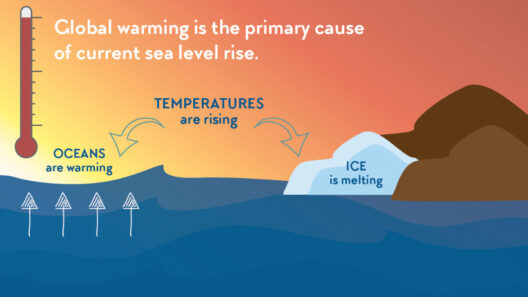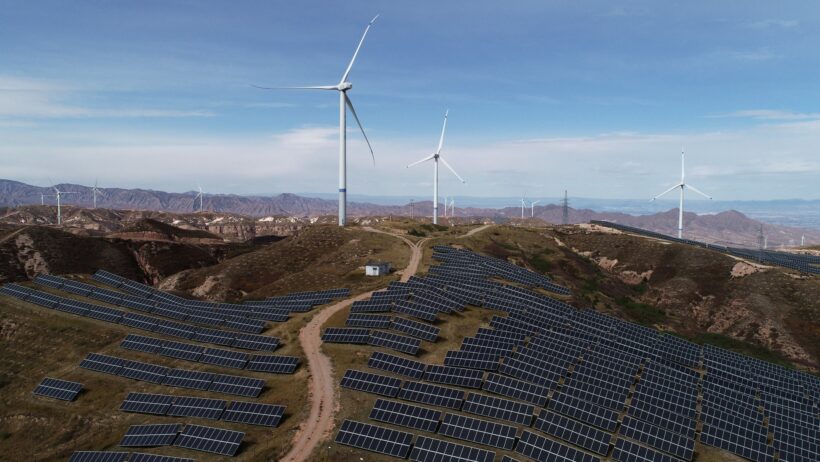

The phenomenon of climate change has reached an undeniable crescendo, prompting a pivotal question: Can the virulent forces of global warming be combated with renewable energy? The answer lies in the burgeoning renewable revolution—a paradigm shift from reliance on fossil fuels to sustainable energy sources. This transition is not merely a trend but a crucial endeavor to stave off the devastating impacts of climate disruption.
At the core of the renewable revolution is the expansion of clean energy technologies such as solar, wind, hydroelectric, and geothermal energy. These sources, unlike their fossil fuel counterparts, emit negligible amounts of greenhouse gases. The International Energy Agency (IEA) heralds renewable energy as the world’s fastest-growing energy source, emphasizing the need to scale up this momentum. But the question remains: is our current pace sufficient to avert the impending climate catastrophe?
One of the most compelling elements of the renewable movement is solar energy. With the sun radiating more energy onto the Earth in one hour than humanity uses in an entire year, the potential is immense. Advances in photovoltaics have led to significant reductions in solar panel costs, making them more accessible to both urban and rural communities. Increasingly, homeowners and businesses alike are transitioning to solar arrays, not only as a means of reducing carbon footprints but also as a savvy financial investment. Yet, can we effectively harness this nearly limitless resource at the scale necessary?
Wind energy also stands tall as a formidable contender in the fight against climate change. Offshore and onshore wind farms are sprouting up globally, propelled by technological innovations and decreasing costs. Wind turbines capture the kinetic energy produced by airflow, converting it into clean electricity. The capacity of wind energy installations has increased dramatically, providing power for millions of homes. Still, a lingering query remains: how do we overcome societal resistance and aesthetic concerns regarding wind turbines to expand this vital infrastructure?
Moreover, hydroelectric power contributes significantly to the renewable landscape. Dams and river systems harness the energy from flowing water, generating a substantial portion of the world’s electricity. While the environmental implications of large dams are often debated, smaller-scale hydro projects offer a more sustainable alternative, providing energy with minimal ecological disruption. However, as communities vie for water resources in a warming world, how can we balance energy production with ecological integrity and social equity?
Geothermal energy represents another intriguing facet of the renewable spectrum. Tapping into the Earth’s internal heat, this energy source offers a steady and reliable power supply, distinguishing it from more intermittent sources like wind and solar. Still, is the global understanding of geothermal potential keeping pace with excavation technologies, and are we utilizing these underground reservoirs to their fullest potential?
The influx of electric vehicles (EVs) interlinks seamlessly with the clean energy revolution. As transportation accounts for a significant slice of global emissions, the shift to EVs powered by renewable energy can drastically lower our carbon footprint. The rapid advancement of battery technologies is expediting this transition. However, a crucial question arises: how can we create a comprehensive charging infrastructure to support an extensive EV network without perpetuating reliance on fossil fuels for energy generation?
While the implications of renewable energy are promising, it is unarguably a formidable challenge to overhaul existing energy systems entrenched in fossil fuel dependency. Political inertia, vested interests, and economic structures often resist this transformation. The role of government policies, subsidies, and international cooperation cannot be overstated. The global community must advocate for policies that not only support renewables but also effectively phase out fossil fuel subsidies. What kind of innovative policy solutions can ensure a just transition for workers and communities that depend on fossil fuels?
The renewable revolution transcends mere technology; it requires a societal shift in mindset. Community engagement and public awareness play pivotal roles in accelerating this transition. Educating individuals about the environmental and economic benefits of clean energy can foster a collective commitment to combat climate change. Innovative grassroots movements exemplify the power of community-led initiatives to promote renewable solutions. But how can these movements gain wider traction and influence policy on a global scale?
Looking to the future, the potential for a sustainable energy landscape shines brightly, albeit with inherent challenges. Technological advancements, alongside the collaborative efforts of governments, businesses, and citizens, can yield a robust framework for clean energy proliferation. This framework must be anchored in the principles of environmental justice, ensuring equitable access to renewable technologies for all demographics, particularly marginalized communities disproportionately affected by climate change. As we stand on the precipice of possibility, the question looms large: will we rise to the occasion and embrace the renewable revolution, or will we falter, leaving future generations to grapple with the consequences of inaction?
In summation, the pathway to a sustainable future is strewn with complexities but also rife with opportunities. Renewable energy is not merely a panacea for global warming; it is an essential component of a broader strategy to reformulate our societal relationship with energy production and consumption. The call to action is urgent, and the implications of our choices today echo through the corridors of tomorrow. The renewable revolution is poised to be our defining legacy—will we seize this moment?